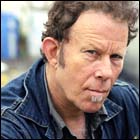
 Thomas Alan Waits, born on December 7, 1949, in Pomona, California, is an acclaimed American singer, songwriter, composer, and actor, best known for his distinctive deep, gravelly voice and evocative lyrics that often explore society's underbelly. Over the years, he has carved a niche for himself in the music industry, blending genres such as rock, jazz, Delta blues, vaudeville, and cabaret, creating a sound that is both eclectic and innovative. His work has earned him critical acclaim, a dedicated cult following, and several prestigious awards, solidifying his status as a unique figure in contemporary music.
Waits grew up in a middle-class family and spent his early years in Whittier, California, where he was influenced by the music of Bob Dylan and the writings of the Beat Generation. He began his musical journey singing in the San Diego folk circuit during the 1970s. In 1972, he moved to Los Angeles to pursue a career as a songwriter. His debut album, Closing Time, was released in 1973, followed by The Heart of Saturday Night in 1974 and Nighthawks at the Diner in 1975. These early works laid the foundation for his career, and he began to gain recognition with albums like Small Change (1976), Blue Valentine (1978), and Heartattack and Vine (1980), all of which showcased his unique storytelling ability and deep emotional resonance.
In 1980, Waits married Kathleen Brennan, who became a significant collaborator and influence on his music. That same year, he made the bold decision to leave his manager and record label, relocating to New York City. This shift allowed him to explore a more avant-garde musical style, drawing inspiration from a diverse range of artists, including Harry Partch and Captain Beefheart. This new direction is evident in his loose trilogy of albums: Swordfishtrombones (1983), Rain Dogs (1985), and Franks Wild Years (1987). His work during this period was characterized by experimental sounds and intricate arrangements, earning him a reputation as a boundary-pushing artist.
In the 1990s, Waits continued to expand his artistic horizons, collaborating with theatrical director Robert Wilson on the musical The Black Rider. The songs from this project were released on the album of the same name. Waits and Wilson later collaborated on the musicals Alice in 1992 and Woyzeck in 2000, with the songs from these works appearing on the albums Alice and Blood Money. His album Bone Machine (1992) won a Grammy Award for Best Alternative Music Album, while Mule Variations (1999) earned him a Grammy for Best Contemporary Folk Album.
Throughout his career, Waits has released several notable albums, including Real Gone (2004), the compilation Orphans: Brawlers, Bawlers & Bastards (2006), the live album Glitter and Doom Live (2009), and Bad as Me (2011). Although he has not toured since 2008 and has not released new music since 2011, he continues to make sporadic appearances at concerts and special events. In addition to his music career, Waits has pursued acting, beginning with a small role in Paradise Alley (1978) and taking on various offbeat character roles in films throughout the years.
Waits' influence extends beyond his own work; numerous artists, including Bruce Springsteen, Tori Amos, Rod Stewart, and The Eagles, have covered his songs, while he has penned tracks for Johnny Cash and Norah Jones. In 2011, he was inducted into the Rock and Roll Hall of Fame, with Neil Young introducing him by saying, "This next man is indescribable, and I'm here to describe him. He's sort of a performer, singer, actor, magician, spirit guide, changeling." In accepting the honor, Waits humorously reflected on his career, stating, "They say that I have no hits and I'm difficult to work with. And they say that like it's a bad thing." Today, Tom Waits remains a quintessential figure in music and culture, continuing to inspire new generations of artists and fans alike.
⭐
Similar Celebrities


📷
Recent Photos
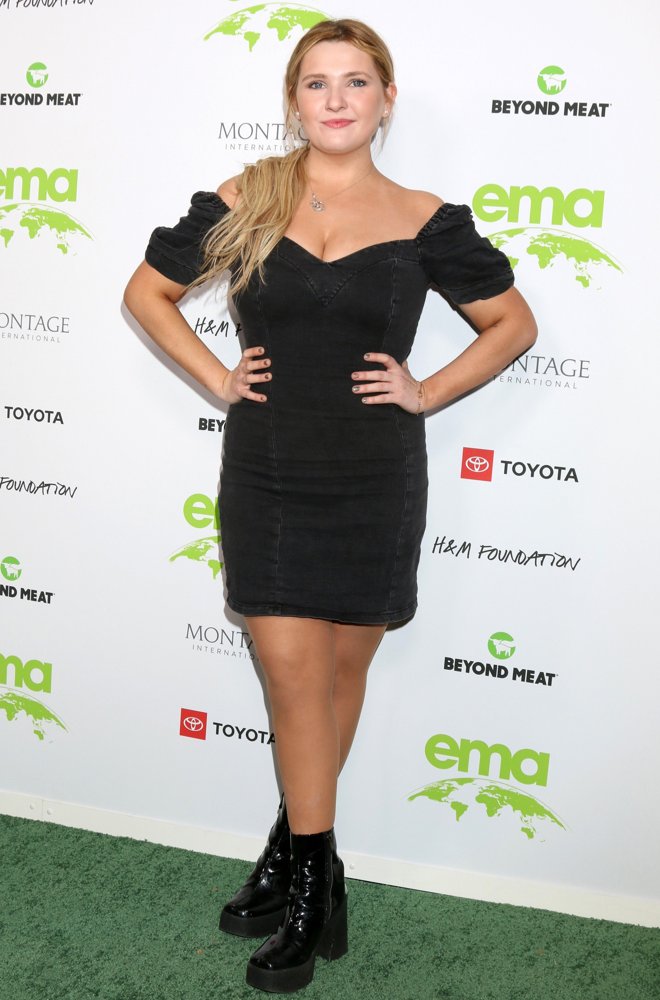
Abigail Breslin
2021 Environmental Media Association Awards
Oct 16, 2021
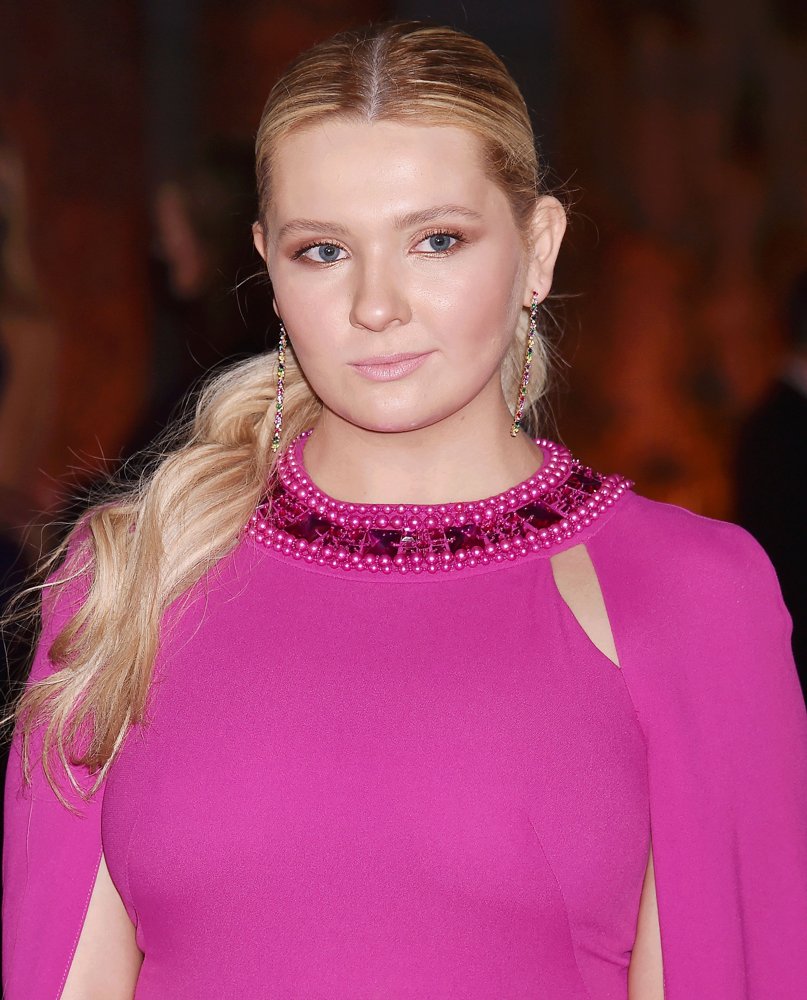
Abigail Breslin
The Academy Museum of Motion Pictures Opening Gala - Arrivals
Sep 25, 2021
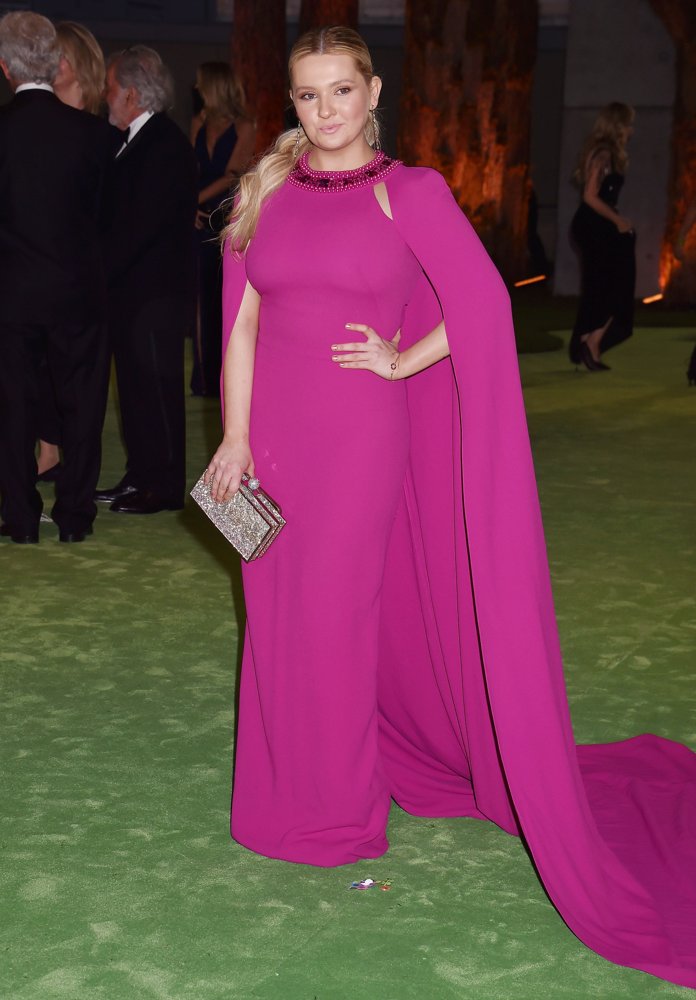
Abigail Breslin
The Academy Museum of Motion Pictures Opening Gala - Arrivals
Sep 25, 2021
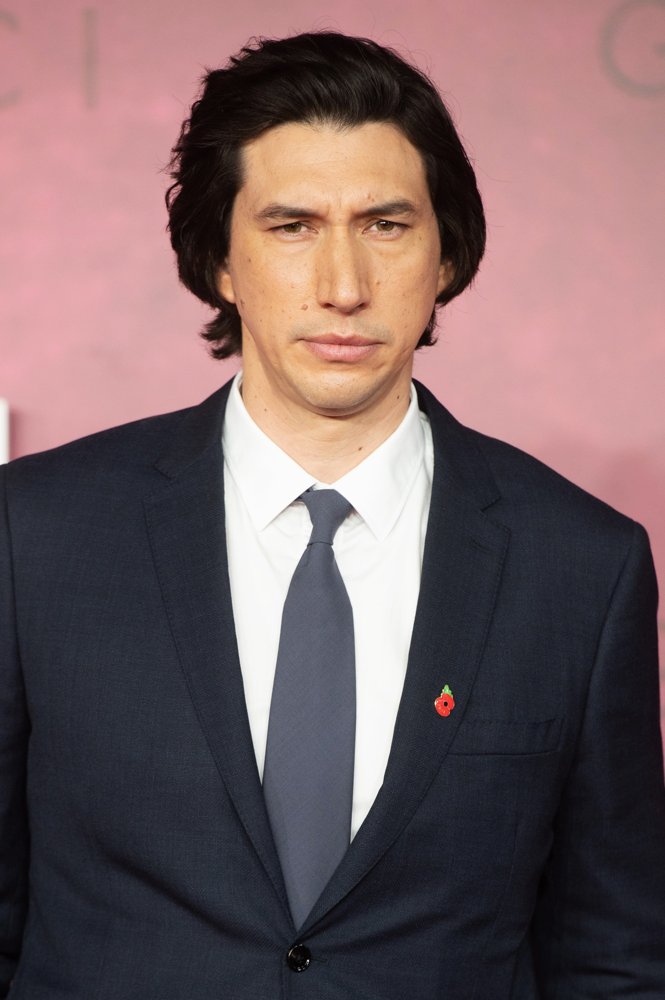
Adam Driver
House of Gucci UK Premiere - Arrivals
Nov 9, 2021
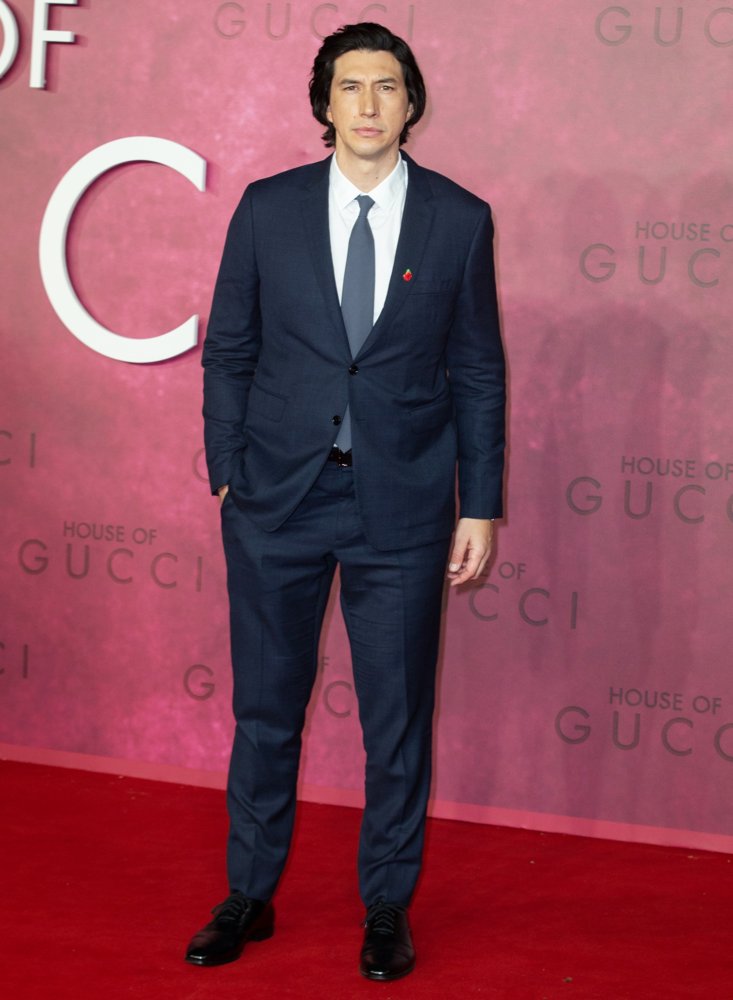
Adam Driver
House of Gucci UK Premiere - Arrivals
Nov 9, 2021
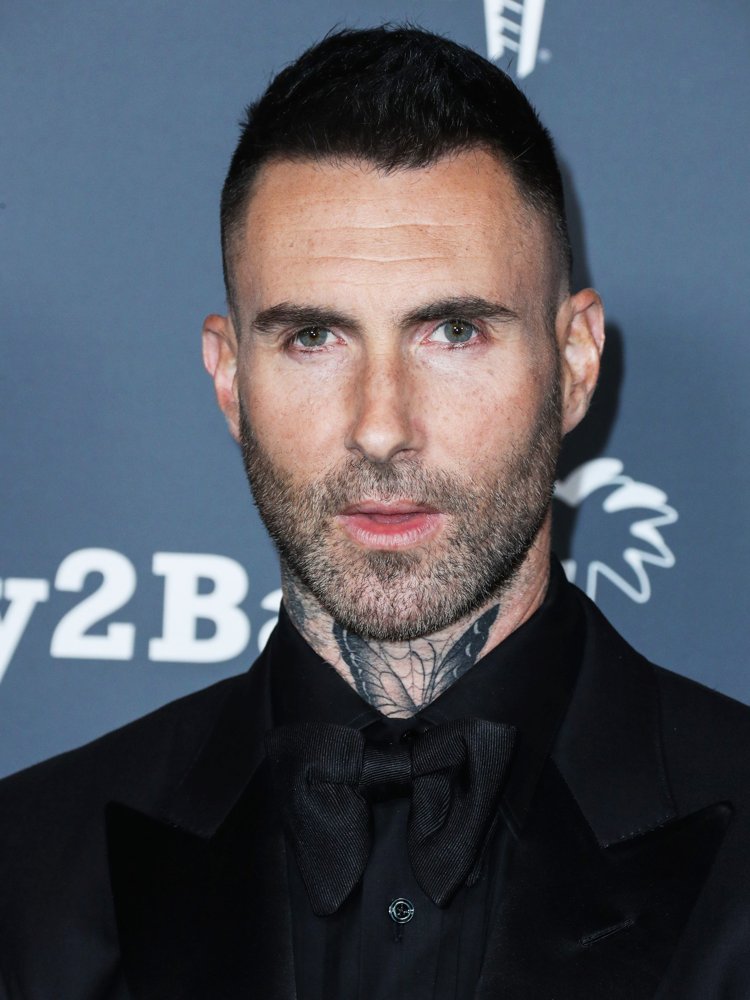
Adam Levine
Baby2Baby 10-Year Gala 2021
Nov 13, 2021

⭐Featured Celebrities