Latest music law news: Afroman's free speech win, AI streaming fraud rulings, and lawsuits involving Bad Bunny & Chance the Rapper.
- March 25, 2026
AceShowbiz - The music and legal worlds converged recently with several major developments, including a significant courtroom victory for Afroman, groundbreaking rulings on AI streaming fraud, and high-profile lawsuits involving stars like Bad Bunny and Chance the Rapper. This roundup highlights the latest in music law, showcasing battles over free speech, copyright, and industry ethics.
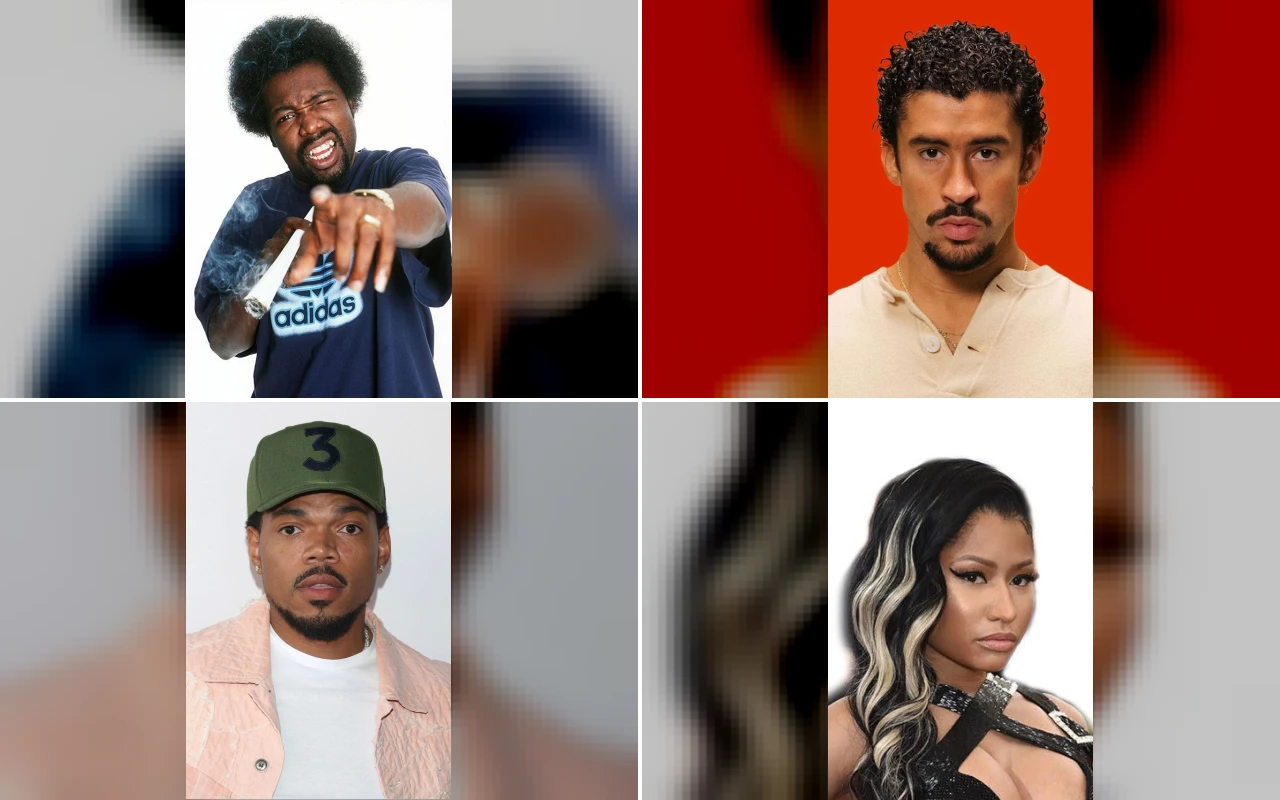
One of the most talked-about cases was the civil defamation lawsuit against Afroman, famous for hits like "Because I Got High" and "Colt 45 and 2 Zig-Zags." The case stemmed from a controversial police raid on his home in Ohio, which resulted in no charges. Seven police officers sued the rapper, accusing him of causing emotional distress by releasing videos and songs mocking them on social media after the raid.
During the trial, which captured widespread attention online, Afroman appeared in a striking American flag suit as his legal team presented a series of music videos ridiculing the officers, including one he nicknamed "Officer Poundcake." The courtroom drama included emotional testimony, such as a deputy breaking down in tears and another questioning whether his wife had been involved with the rapper.
Despite the theatrics, the trial raised crucial First Amendment questions: Can government officials use civil lawsuits to silence critics? The American Civil Liberties Union (ACLU) called the case "nothing short of absurd," and Afroman’s lawyers warned that ruling in favor of the officers would chill free speech. Ultimately, a jury in Ohio sided with the rapper, clearing him of wrongdoing.
This legal victory illustrates a modern example of the Streisand Effect, where attempts to suppress information only amplify its reach. Named after Barbra Streisand’s 2003 failed attempt to remove a photo of her Malibu home, this phenomenon was evident as the officers’ lawsuit against Afroman generated far more publicity online, with millions sharing their images and the rapper’s songs gaining renewed popularity on streaming platforms. The incident has humorously been dubbed the "Officer Poundcake Effect."
Beyond Afroman’s case, several other significant legal stories have emerged in the music industry this week. The antitrust trial against Live Nation resumed, highlighted by testimony from CEO Michael Rapino, who faced scrutiny over controversial Slack messages.
In a landmark prosecution, a North Carolina musician named Michael Smith pleaded guilty to stealing $8 million in royalties through fake streams on AI-generated music. This marked the first-ever streaming fraud case brought by U.S. prosecutors, signaling heightened enforcement against digital music fraud.
Chance the Rapper also secured a jury verdict, defeating a lawsuit filed by his longtime manager Pat Corcoran (known as Pat the Manager). The suit alleged millions in unpaid commissions, but the jury sided with the artist, dismissing the claims.
Bad Bunny found himself embroiled in a copyright dispute when his legal team demanded an African music publisher reimburse over $450,000 in legal fees. The publisher had involved the superstar in a meritless copyright lawsuit, according to Bad Bunny’s lawyers.
The artist FKA Twigs filed a lawsuit against an indie band called The Twigs, accusing the duo of "weaponizing" trademarks to pressure her into a seven-figure payout. The dispute centers on trademark claims over their similar names, reflecting ongoing trademark battles in the music scene.
Justin Timberlake chose to drop a lawsuit aimed at preventing the release of bodycam footage from his 2021 DWI arrest by the Hamptons police department. This decision cleared the way for the footage to be publicly released and shared online.
Nicki Minaj faced new legal trouble with a lawsuit alleging she owes a concert production company $275,000 in unpaid fees. According to the suit, her representatives have repeatedly stalled by saying, "We'll look into this."
Meanwhile, rapper Gunna filed a lawsuit claiming he was misled by unscrupulous concert promoters into performing at a party for this year's X Games without receiving his $750,000 performance fee. The suit alleges the promoters never had the funds to pay him.
In a unique copyright-related case, the musician responsible for the Zulu chant in "The Circle of Life" from The Lion King sued a comedian over a viral podcast comment about the song. However, the lawsuit faces significant hurdles due to strong First Amendment protections.
Music publisher BMG entered the ongoing AI copyright battles by suing Anthropic, alleging that its AI model Claude was illegally trained on copyrighted hits including Ariana Grande's "7 Rings" and Bruno Mars' "Uptown Funk."
In criminal news, rapper Mystikal pleaded guilty to a third-degree rape charge in Louisiana and now faces up to 20 years in prison at sentencing scheduled for June.
Ye (formerly Kanye West) settled a lawsuit accusing him of illegal sampling on the track "Vultures 1." This is just one of many legal challenges the rapper has faced over unauthorized sampling in his music.
The streaming platform owned by Remy Ma renamed an upcoming movie originally titled The Biggest Boss after receiving a legal threat from Rick Ross, the "biggest boss" himself, who claimed rights to the name.
Yung Miami publicly defended her decision to advocate for leniency for Sean "Diddy" Combs ahead of his prostitution sentencing, stating he was a "changed man" during their relationship from 2021 to 2023.
These cases collectively highlight the complex interplay between music, law, and technology today. From groundbreaking AI-related prosecutions to high-profile copyright disputes and First Amendment battles, the evolving music industry continues to face intense legal scrutiny.
Stay tuned for more updates as these stories develop and new legal challenges emerge in the music world.