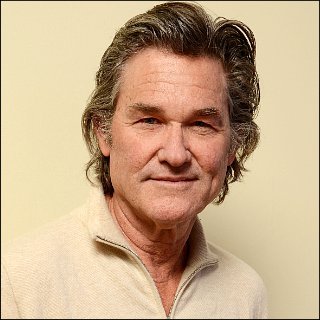
Sion Sono, born December 18, 1961, in Toyokawa, Japan, is a filmmaker, author, and poet widely regarded as one of the most subversive and prolific voices in contemporary Japanese cinema. Known for his audacious blend of graphic violence, dark humor, and philosophical inquiry, Sono has built an idiosyncratic career that defies easy categorization, earning him a devoted following on the international festival circuit. His work often explores themes of family dysfunction, social alienation, and the search for meaning in a chaotic world, cementing his reputation as a fearless and relentless storyteller.
Sono’s early life was marked by a strict upbringing, with his father working as a banker and his mother a devout Christian, experiences that would later inform his films. He began writing poetry and making short films as a teenager, and after dropping out of university, he immersed himself in the underground art scene. His debut feature, I Am Keiko, was made in 1985, but it was his 1993 film Bad Film that first showcased his raw, improvisational style. Sono gained wider recognition with Suicide Circle (2001), a shocking and surreal exploration of mass suicide among Japanese youth, which became a cult hit and established his signature blend of transgressive content and social commentary.
The filmmaker’s international breakthrough came with Love Exposure (2008), a four-hour epic that weaves together themes of voyeurism, religious fanaticism, and teenage rebellion. The film won numerous awards at festivals like Berlin and Rotterdam, and critics hailed it as a masterpiece of modern Japanese cinema. Following this, Sono continued to push boundaries with works like Cold Fish (2010), a true-crime inspired thriller, and Why Don't You Play in Hell? (2013), a chaotic homage to yakuza films and filmmaking itself. His prolific output, often releasing multiple films per year, earned him the nickname "stakhanovist filmmaker," a reference to his relentless work ethic.
In the 2010s, Sono expanded his reach internationally, collaborating with artists like Nicolas Cage on the 2019 film Prisoners of the Ghostland, a wild post-apocalyptic Western that further showcased his genre-defying sensibilities. He also ventured into television with series like Tokyo Vampire Hotel (2017), which premiered on Amazon Prime, and continued to explore darker themes in films such as Antiporno (2016) and Tag (2015). Despite his reputation for extreme content, Sono’s work often contains a deep emotional core, as seen in the family drama The Land of Hope (2012), which deals with the aftermath of a nuclear disaster.
Sion Sono remains an active and influential figure in world cinema, with a career spanning over three decades. His films have been celebrated for their audacity and originality, and he continues to inspire a new generation of filmmakers with his fearless approach to storytelling. Whether through his epic explorations of love and faith or his unflinching depictions of violence and decay, Sono has carved out a unique space in Japanese cinema, challenging audiences and critics alike to reconsider the boundaries of art and entertainment.