Born on July 10, 1939, in Chicago, Illinois, Mavis Staples is an American rhythm and blues and gospel singer whose powerful, soulful contralto has made her one of the most enduring and influential voices in popular music. She rose to prominence as the lead singer of her family's band, the Staple Singers, a group that became the soundtrack of the civil rights movement in the 1960s. As the last surviving member of that legendary ensemble, Staples has spent over six decades bridging the gap between sacred gospel and secular soul, earning her a place among the most revered artists of her generation.
Staples’s career began in the early 1950s when her father, Roebuck "Pops" Staples, formed the family group with Mavis and her siblings. Their early recordings for the Vee-Jay label established them as a formidable gospel act, but it was their shift toward socially conscious message music in the 1960s that cemented their legacy. Songs like "Freedom Highway" and "Why? (Am I Treated So Bad)" became anthems of the civil rights movement, and the group performed alongside Dr. Martin Luther King Jr. at rallies and marches across the South. In the 1970s, the Staple Singers achieved mainstream crossover success with the hit singles "I'll Take You There" and "Let's Do It Again," both of which topped the Billboard charts and showcased Staples's commanding vocal presence.
In 1969, Staples released her self-titled debut solo album, beginning a parallel career that would see her collaborate with an eclectic array of artists. Over the decades, she worked with Aretha Franklin, Prince, Arcade Fire, Nona Hendryx, Ry Cooder, David Byrne, and former romantic partner Bob Dylan, among others. Her solo work gained renewed critical acclaim in the 2010s with a late-career renaissance, beginning with the album You Are Not Alone (2010), which became her first solo record to reach number one on a Billboard chart, topping the Top Gospel Albums list. That album also earned Staples her first Grammy Award win, a milestone that was followed by a string of acclaimed releases including One True Vine (2013), Livin' on a High Note (2016), If All I Was Was Black (2017), and We Get By (2019). She is also prominently featured on the single "Nina Cried Power" by Hozier, further expanding her reach to younger audiences.
Staples's contributions to music have been recognized with numerous prestigious honors. As a member of the Staple Singers, she received the Grammy Lifetime Achievement Award, and she has won five solo Grammy Awards, including one for Album of the Year as a featured artist on Jon Batiste's We Are. Rolling Stone has named her one of the "Greatest Singers of All Time," and she was inducted into the Rock and Roll Hall of Fame in 1999 alongside her family band, followed by induction into the Gospel Music Hall of Fame in 2018. In 2016, she was made a Kennedy Center Honoree, and the following year she was inducted into the Blues Hall of Fame as a soloist. In 2019, the Rock and Roll Hall of Fame honored her with their inaugural Rock Hall Honors Award for her solo work. Now in her eighties, Staples continues to perform and record, remaining a vital and inspiring figure whose music continues to resonate with themes of hope, resilience, and justice.
⭐
Similar Celebrities

📷
Recent Photos
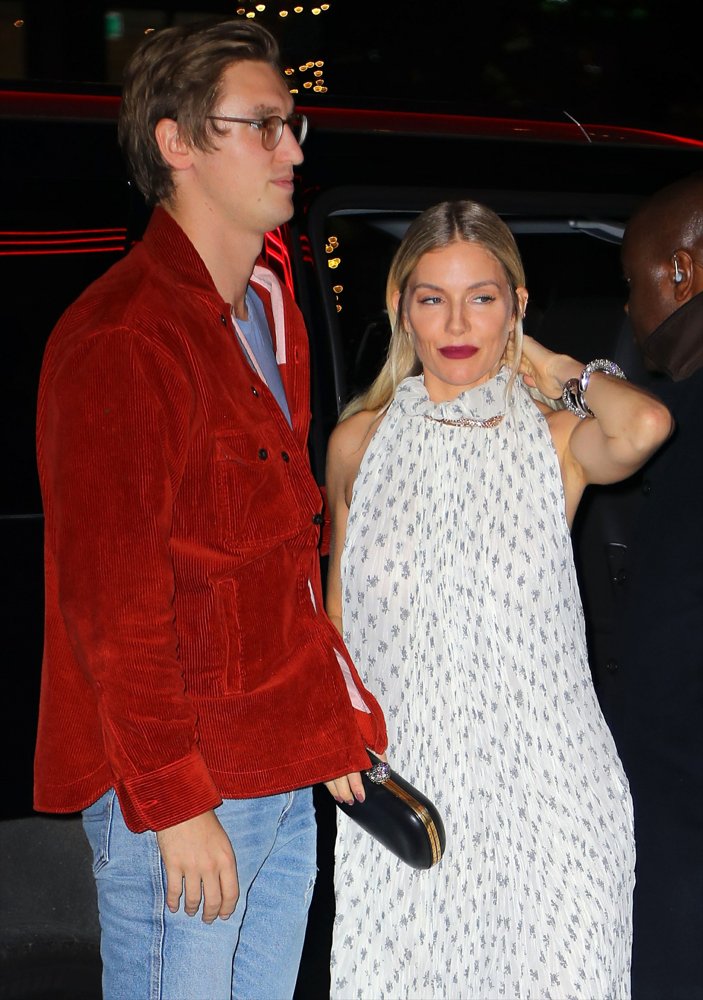
Lucas Zwirner
21 Bridges Screening
Nov 19, 2019
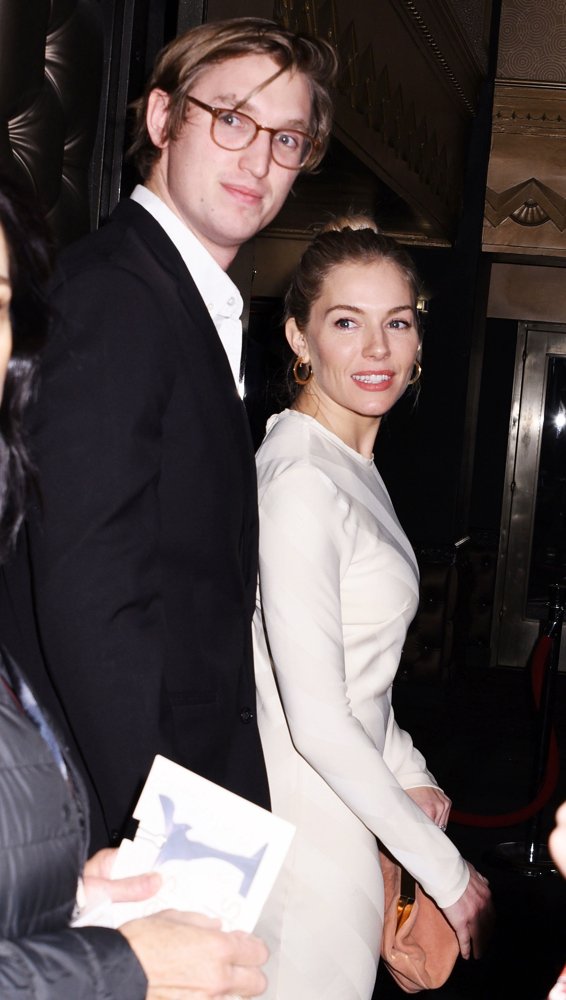
Lucas Zwirner
The 72nd Annual Writers Guild Awards
Feb 1, 2020

Andrey Zvyagintsev
2018 Film Independent Spirit Awards - Arrivals
Mar 3, 2018

Zuri Tibby
Victoria's Secret Fashion Show Viewing Party - Red Carpet Arrivals
Dec 2, 2018
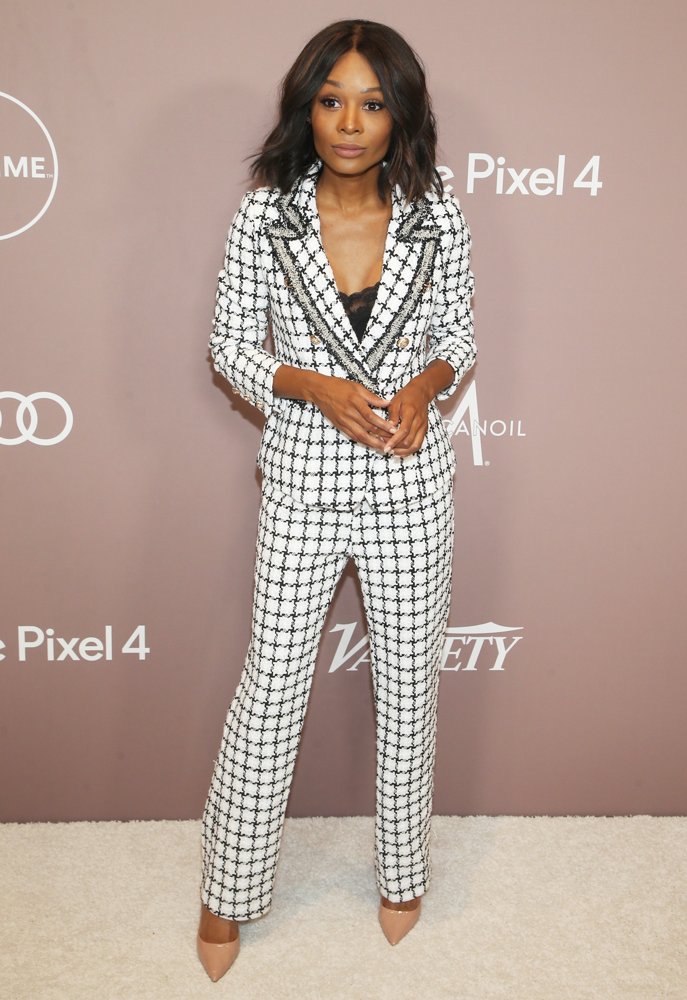
Zuri Hall
Variety's Power of Women 2019 - Arrivals
Oct 11, 2019

Zuri Hall
LA Premiere of The Spy Who Dumped Me
Jul 25, 2018



⭐Featured Celebrities