Maria Callas, born Maria Anna Cecilia Sophia Kalogeropoulos on December 2, 1923, in Manhattan, remains one of the most legendary and transformative figures in the history of opera. Raised in Astoria, Queens, to Greek immigrant parents, her early life was marked by the intense pressure of an overbearing mother who had hoped for a son. This difficult upbringing, compounded by the challenges of near-sightedness that left her nearly blind on stage, forged a fierce determination that would define her extraordinary career. Sent to Greece at the age of thirteen for her musical education, she absorbed the rigorous traditions of the art form and began her professional ascent amidst the harsh realities of wartime poverty in the 1940s.
Her career flourished in Italy, where she established herself as a singular talent, celebrated for her bel canto technique, her remarkably wide-ranging voice, and her profound dramatic interpretations. Critics and audiences alike were stunned by her ability to transform the opera stage, bringing a new level of theatrical realism and emotional intensity to her roles. Her repertoire was astonishingly broad, spanning the classical opera seria of the past, the bel canto masterpieces of Bellini, Donizetti, and Rossini, and extending into the powerful works of Verdi and Puccini, as well as the music dramas of Wagner in her early years. This versatility, combined with her magnetic stage presence, earned her the enduring title of La Divina, or "The Divine One."
Callas’s personal life was as dramatic as any of her stage roles, and the press eagerly chronicled her every move. Reports of her temperamental behavior, her famous professional rivalry with fellow soprano Renata Tebaldi, and her scandalous love affair with Greek shipping magnate Aristotle Onassis captivated the public imagination. The affair led to the dissolution of Onassis's marriage to Athina "Tina" Onassis Niarchos, and the relationship became a defining, and ultimately tragic, chapter in her life. In the midst of this public scrutiny, she also underwent a significant mid-career weight loss, a transformation that, while altering her appearance, is widely believed to have contributed to a vocal decline and the premature end of her singing career.
Despite the personal tragedies and the intense focus on her dramatic life, Callas's artistic achievements have never been overshadowed. Her impact was so profound that conductor Leonard Bernstein famously called her "the Bible of opera," and her influence has only grown with time. In 2006, nearly three decades after her death on September 16, 1977, Opera News still declared her "the definition of the diva as artist" and one of classical music's best-selling vocalists. Her legacy endures not just through her recordings, but through the very standard she set for operatic performance. In a final act of poetic grace, her ashes were scattered over the Aegean Sea on June 3, 1979, fulfilling her last wish and returning her to the land of her heritage, where her spirit remains eternal.
⭐
Similar Celebrities



📷
Recent Photos
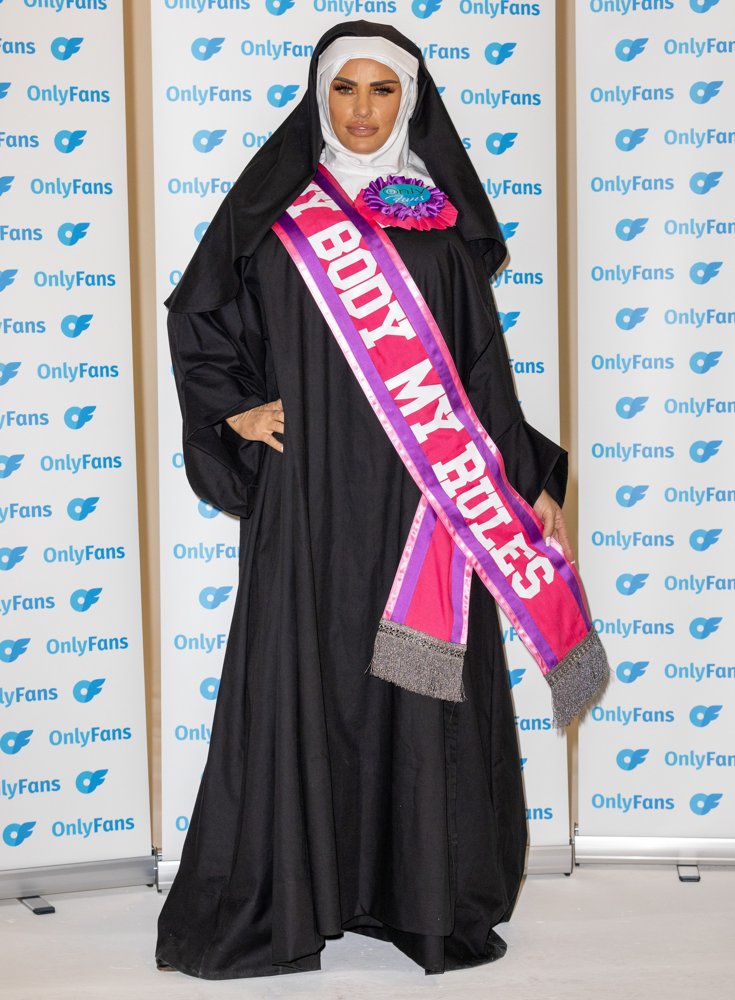
Katie Price
Katie Price Launches Only Fans Channel - Photocall
Jan 26, 2022
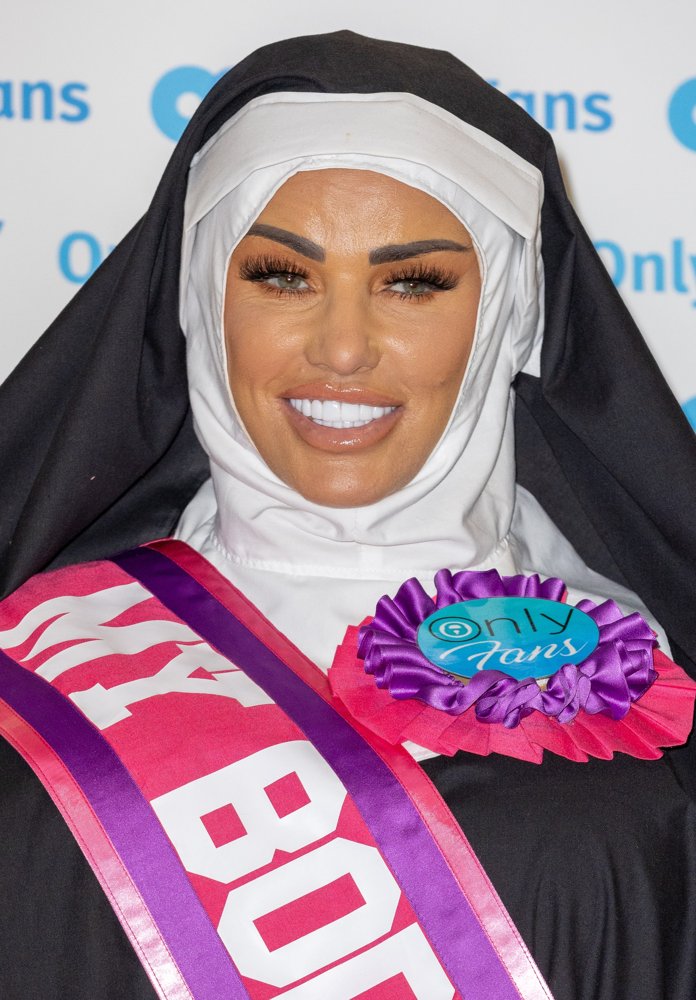
Katie Price
Katie Price Launches Only Fans Channel - Photocall
Jan 26, 2022
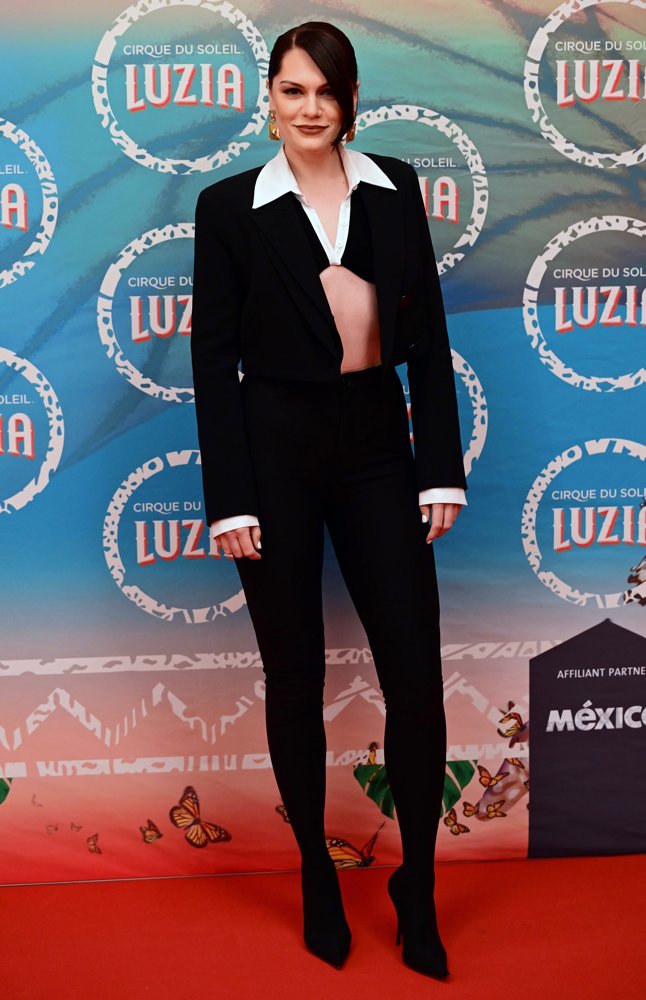
Jessie J
The Premiere of Cirque Du Soleil Luzia
Jan 13, 2022
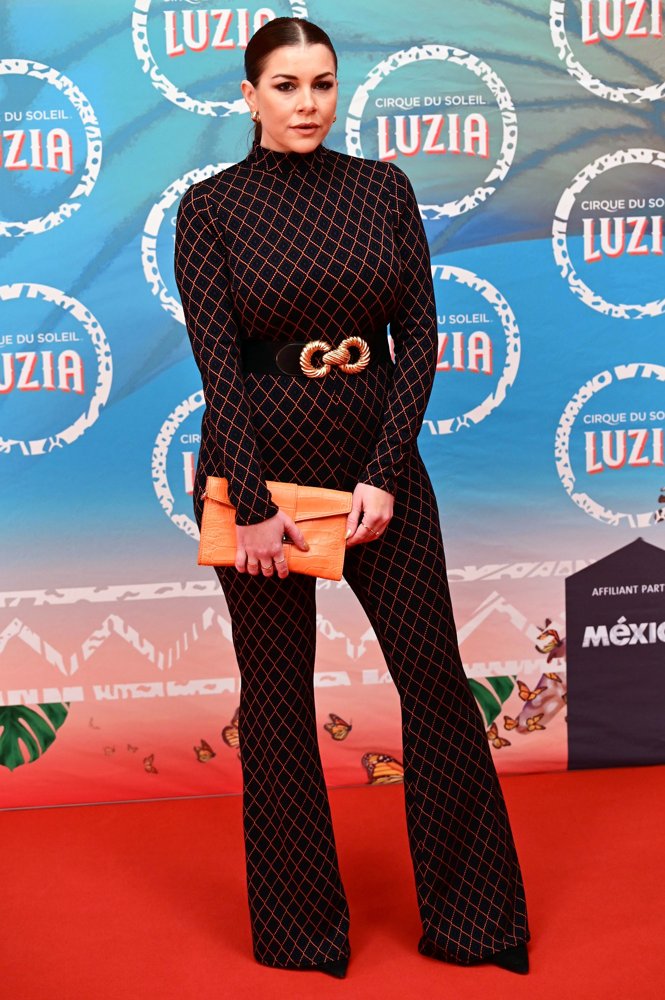
Imogen Thomas
The Premiere of Cirque Du Soleil Luzia
Jan 13, 2022
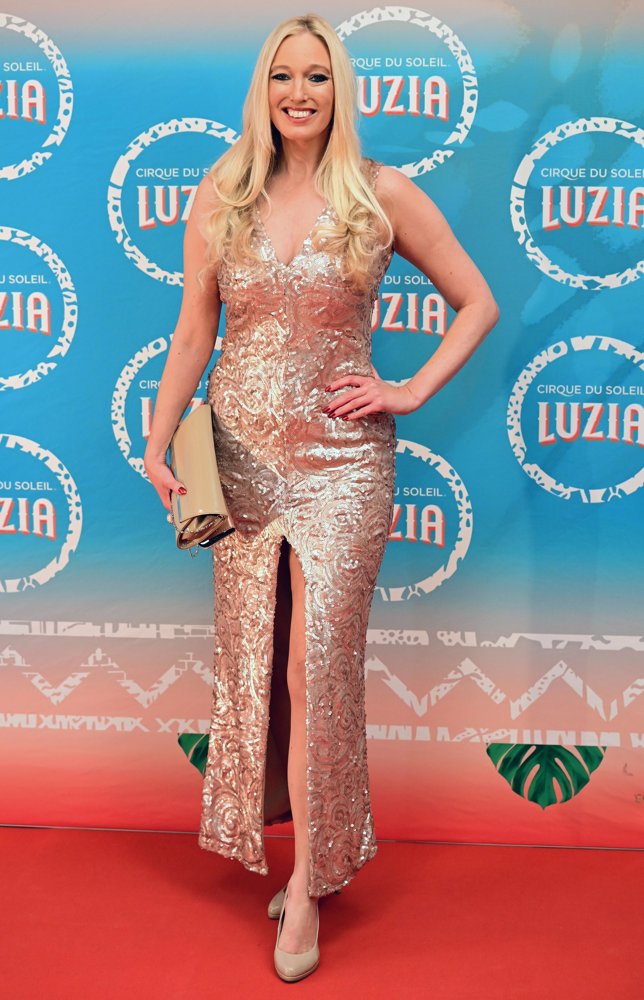
Hayley Palmer
The Premiere of Cirque Du Soleil Luzia
Jan 13, 2022

Phoenix Chi Gulzar
The Premiere of Cirque Du Soleil Luzia
Jan 13, 2022





⭐Featured Celebrities