Graham Greene stands as one of the most significant and widely read English novelists of the twentieth century, a writer whose work seamlessly bridged the gap between literary prestige and popular appeal. Born Henry Graham Greene on October 2, 1904, in Berkhamsted, Hertfordshire, he would go on to produce a vast body of work over 67 years that explored the murky intersections of morality, politics, and faith. His reputation as a master storyteller, equally adept at crafting serious Catholic novels and gripping thrillers—which he famously called "entertainments"—was cemented early in his career, leading to several shortlistings for the Nobel Prize in Literature. Greene’s influence was so profound that contemporaries like William Golding called him "the ultimate chronicler of twentieth-century man's consciousness and anxiety," while V. S. Pritchett praised him as "the most ingenious, inventive and exciting of our novelists."
Greene’s early life was marked by a turbulent education at Berkhamsted School, where his father was headmaster, and a period of psychological distress that led to psychoanalysis. He briefly worked as a sub-editor for the Nottingham Journal before moving to London, where he embarked on a career as a journalist and published his first novel, "The Man Within," in 1929. A pivotal moment came in 1926 when he converted to Catholicism, partly to marry his future wife, Vivien Dayrell-Browning. This conversion deeply informed his most celebrated works, though he later described himself as a "Catholic agnostic." His breakthrough as a serious literary figure came with novels like Brighton Rock (1938) and The Power and the Glory (1940), the latter of which won the 1941 Hawthornden Prize and solidified his reputation as a writer of moral complexity and psychological depth.
Throughout his career, Greene demonstrated a remarkable ability to blend high art with genre fiction, producing classics such as The Heart of the Matter (1948), which won the James Tait Black Memorial Prize and was later shortlisted for the Best of the James Tait Black award. His work often drew from his extensive travels and experiences as a journalist, taking him to conflict zones in Mexico, West Africa, and Vietnam. This real-world experience infused his novels with a gritty authenticity, particularly in his collaborations with filmmaker Carol Reed. Together, they created two cinematic masterpieces: The Fallen Idol (1948) and The Third Man (1949), the latter set in a post-war Vienna of spies and moral ambiguity, which remains one of the most celebrated films in British cinema. Many of Greene’s other stories were adapted for the screen, sometimes multiple times, further extending his cultural reach.
In his later years, Greene continued to write prolifically, producing acclaimed works like The Quiet American (1955), a prescient critique of American intervention in Vietnam, and Our Man in Havana (1958), a darkly comic spy novel. He was awarded the 1968 Shakespeare Prize and the 1981 Jerusalem Prize, honors that recognized his enduring literary impact. Despite his Catholic label, Greene’s faith was a source of constant struggle, and his later novels often reflected a deep skepticism and a focus on the flawed, desperate nature of humanity. He died on April 3, 1991, at the age of 86, from leukemia, and was buried in Corseaux cemetery in Switzerland. Today, Graham Greene is remembered not only as a towering figure of twentieth-century literature but as a writer who, in the words of V. S. Pritchett, "understands the tragic and comic ironies of love, loyalty and belief," leaving behind a legacy of over 25 novels that continue to captivate readers and scholars alike.
⭐
Similar Celebrities


📷
Recent Photos
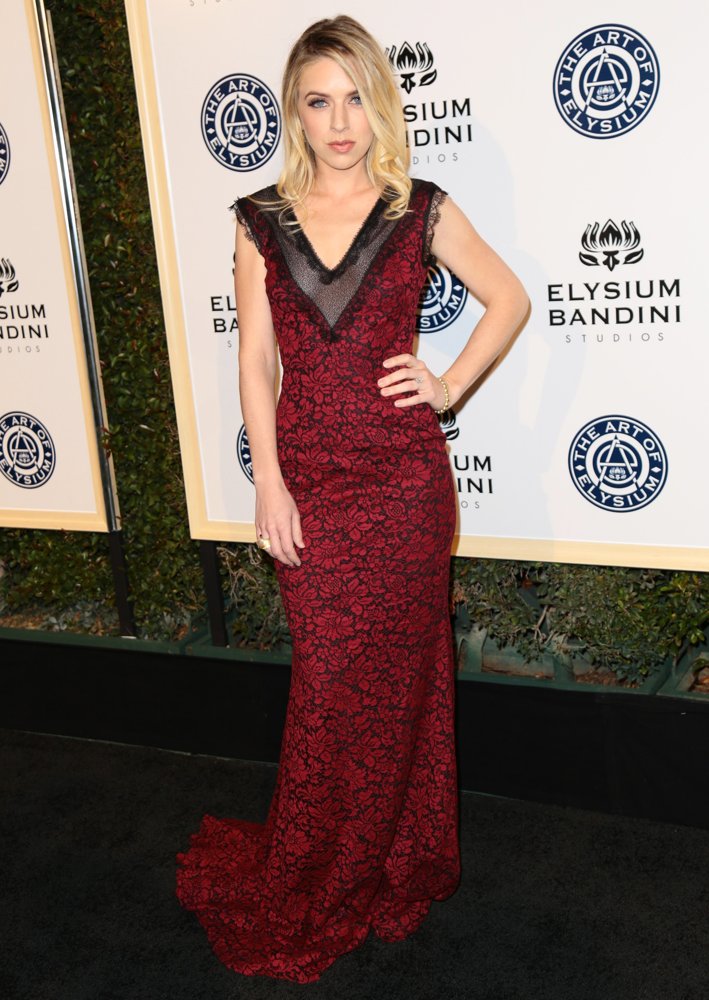
ZZ Ward
The Art of Elysium Presents Stevie Wonder's HEAVEN - Celebrating The 10th Anniversary
Jan 7, 2017

Esther Zynn
Nickelodeon's 2016 Kids' Choice Awards - Arrivals
Mar 12, 2016

Esther Zynn
Nickelodeon's 2016 Kids' Choice Awards - Arrivals
Mar 12, 2016
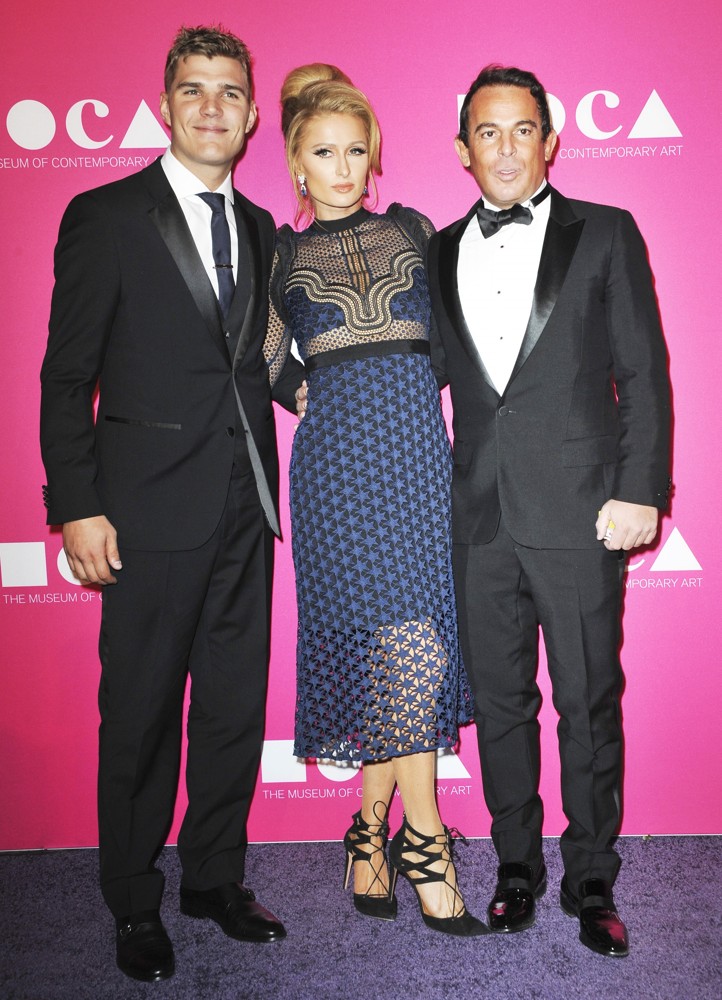
Chris Zylka
MOCA Gala 2017
Apr 29, 2017

Lucas Zwirner
21 Bridges Screening
Nov 19, 2019
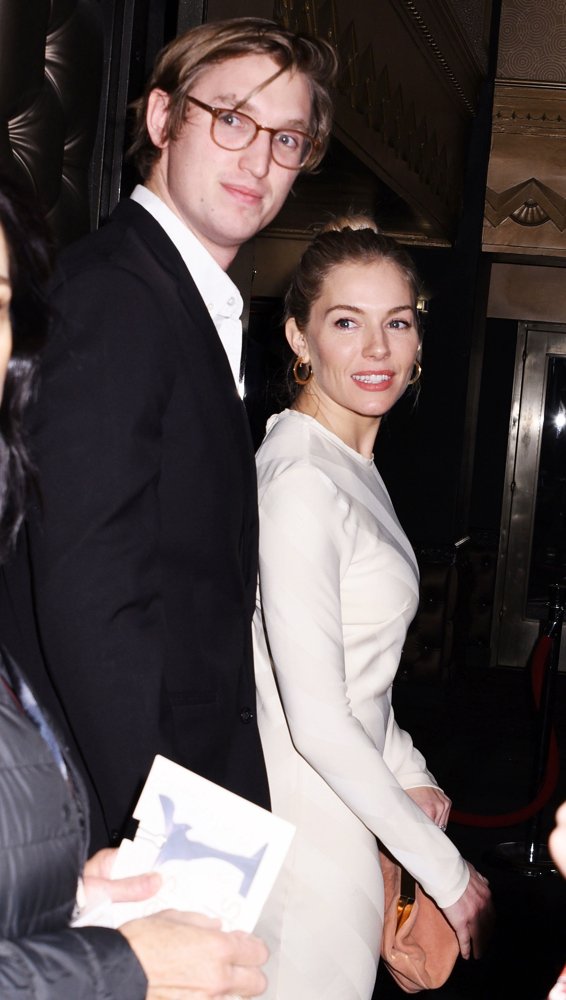
Lucas Zwirner
The 72nd Annual Writers Guild Awards
Feb 1, 2020




⭐Featured Celebrities