Will Dune Part Three include the iconic knife-throwing scene? Discover why this critical moment from Dune Messiah is the ultimate test for the film's success.
- April 12, 2026
AceShowbiz - Warning: Spoilers ahead for Dune Messiah, the source material for Dune Part Three. Expectations are tremendously high for the upcoming third installment in the Dune film series. However, for devoted fans of Frank Herbert's novels, there is one critical scene that will ultimately determine the success or failure of Dune Part Three: the knife-throwing sequence. This moment is widely regarded as Paul Atreides’ most defining and heroic act, and it plays a crucial role in bridging the franchise’s past with its future. Omitting this scene from the film would not only disappoint loyal readers but also risk undermining the narrative’s emotional and thematic impact.
The knife-throwing scene is the climax of Dune Messiah, which is the first sequel to the original Dune novel by Frank Herbert. Within this story, Paul Atreides is portrayed as a deeply complex character, far from a traditional hero. Yet, the scene in question represents a rare, genuine moment of heroism for him, where he protects his children in an almost superhuman fashion. For Dune Part Three to remain faithful to the source material’s nuanced depiction of Paul, retaining this critical moment is essential.
To better understand why this scene is so vital, it’s important to explore its context and significance in the book. The knife-throwing confrontation happens toward the end of Dune Messiah. Throughout the story, Paul faces numerous threats, including an assassination attempt using a tactical nuclear weapon. Although Paul survives this attack, he is blinded as a result. Initially, his prescient abilities allow him to mask the loss of his eyesight, navigating the world as though nothing has changed. However, as the story progresses, his blindness becomes undeniable, presenting a profound vulnerability.
The tension peaks in the climactic scene when Paul confronts an assassin who threatens his newborn twins with a knife. At this critical moment, Paul discovers that he can “see” again—albeit through the eyes of his infant son. Drawing upon this extraordinary connection, Paul swiftly throws his own knife, fatally striking the attacker before any harm can come to his children. This act stands as Paul’s most overtly heroic deed in the entire franchise, a moment of intense drama and emotional weight that encapsulates his protective instinct and determination.
Denis Villeneuve, who directs the film series, faces a pivotal creative decision with Dune: Part Three. Including the knife-throwing scene is not just about satisfying fans; it is a crucial plot element that enriches the story’s tension and character development. This sequence offers a cinematic highlight filled with suspense and action, perfectly suited to Villeneuve’s atmospheric and visually striking style. The scene’s inclusion would deliver a gripping showdown that moviegoers will remember, while also providing an important narrative payoff.
Beyond its cinematic appeal, the knife-throwing moment marks the conclusion of Paul Atreides’ arc as the protagonist of the Dune saga. The first two films chart his rise as a messianic figure, but Dune Messiah explores the darker consequences of that role, presenting Paul as a flawed and sometimes tragic figure. Translating this complexity to the screen is challenging, and a heroic moment like the knife-throwing scene grounds Paul’s character in a way that resonates emotionally. It delivers a rare victory amid the unfolding tragedy, making it a narrative necessity for the film adaptation.
Moreover, this scene is deeply intertwined with the tragic love story of Paul and Chani, which Dune Part Three must continue to honor. In Dune Messiah, Chani dies giving birth to their twins, a fate Paul desperately wishes to avoid but ultimately cannot. This heartbreaking event is essential to the narrative’s emotional core and sets the stage for the next chapter in the House of Atreides saga. The knife-throwing scene offers a counterbalance to this sorrow by giving Paul one last heroic moment, underscoring the profound stakes involved.
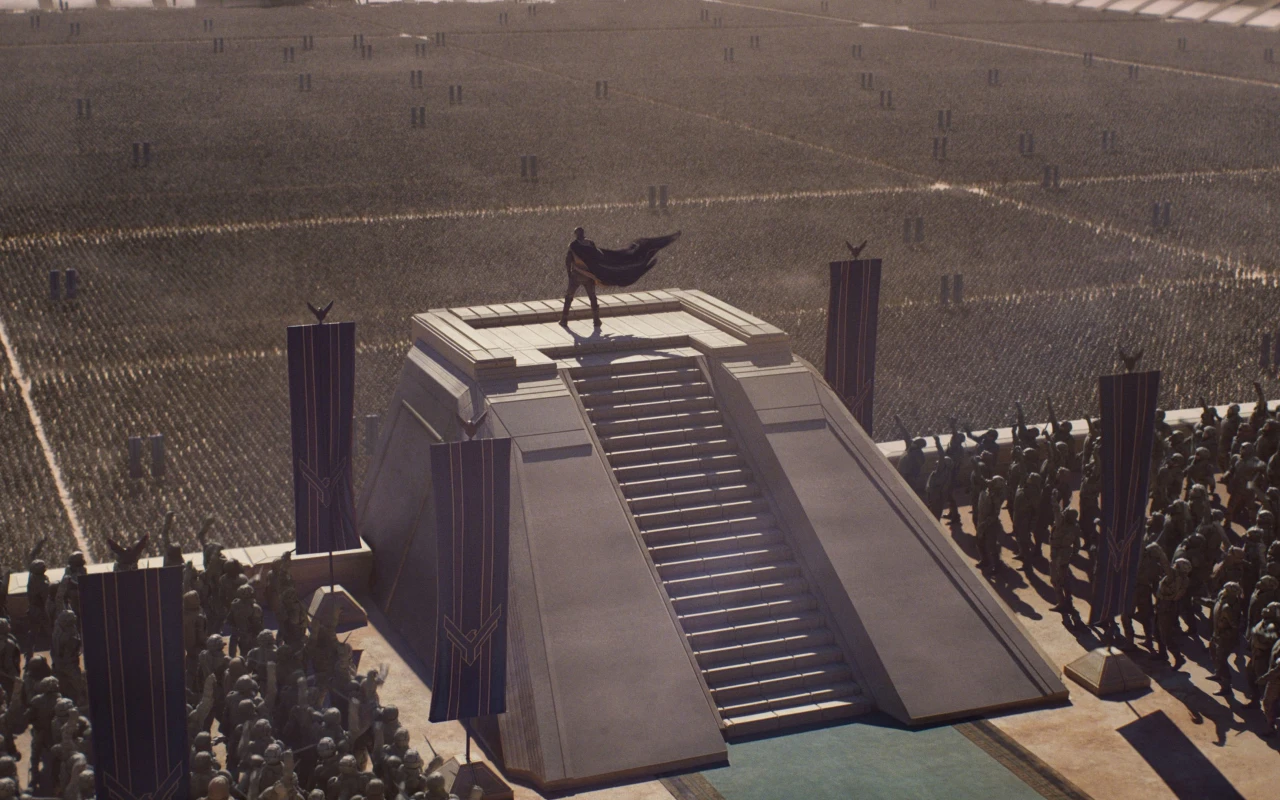
Frank Herbert’s original Dune novel ends with Paul seizing the throne as Emperor of the Known Universe, cementing his role as a powerful ruler. Dune: Part Two concludes on a similar note, while hinting at the devastating war that will be fought in Paul’s name. In Dune Messiah, this war results in the deaths of billions, with Paul as the reluctant figurehead of a Fremen-led intergalactic genocide. It remains to be seen how faithfully Dune Part Three will portray these darker elements, but it is clear that the film cannot simply recast Paul as a straightforward hero. Instead, it must depict his downfall as a messiah, maintaining the tragic complexity that defines his character.
Fans of the Dune franchise are unlikely to accept any adaptation that excludes the knife-throwing scene. Cutting this pivotal moment would create a significant gap in the story, alienating those who have followed the novels closely and value Herbert’s vision. The scene also foreshadows the rise of Paul’s son, Leto II, who becomes the central figure in subsequent installments of the series. By preserving this scene, the film signals the continuation of the saga and the evolving legacy of the Atreides family.
While Denis Villeneuve has demonstrated the ability to streamline and adapt the complex narrative of Dune for the screen, there are certain story beats that cannot be altered or removed without damaging the integrity of the adaptation. The knife-throwing scene is one such moment, carrying immense narrative and emotional weight. It not only highlights Paul’s heroic qualities but also embodies the intertwined themes of sacrifice, fate, and family that permeate the series.
In summary, Dune Part Three faces a crucial challenge: to balance the dark consequences of Paul Atreides’ rise with moments of genuine heroism that anchor his character’s journey. The knife-throwing scene from Dune Messiah is indispensable in achieving this balance. It is a thrilling and poignant moment that fans cherish and expect, and it provides a fitting climax to Paul’s story while setting the stage for future developments. Omitting this scene risks alienating dedicated fans and diminishing the film’s emotional impact, making it a decision that could ultimately cause the movie to falter.
For those invested in the Dune franchise, the knife-throwing scene is not merely an action set piece—it is a symbol of Paul’s enduring strength, his love for his family, and the complex legacy he leaves behind. As anticipation builds for Dune Part Three, it is clear that this iconic moment must be preserved to honor Frank Herbert’s original vision and to deliver a satisfying conclusion to Paul Atreides’ tumultuous saga.