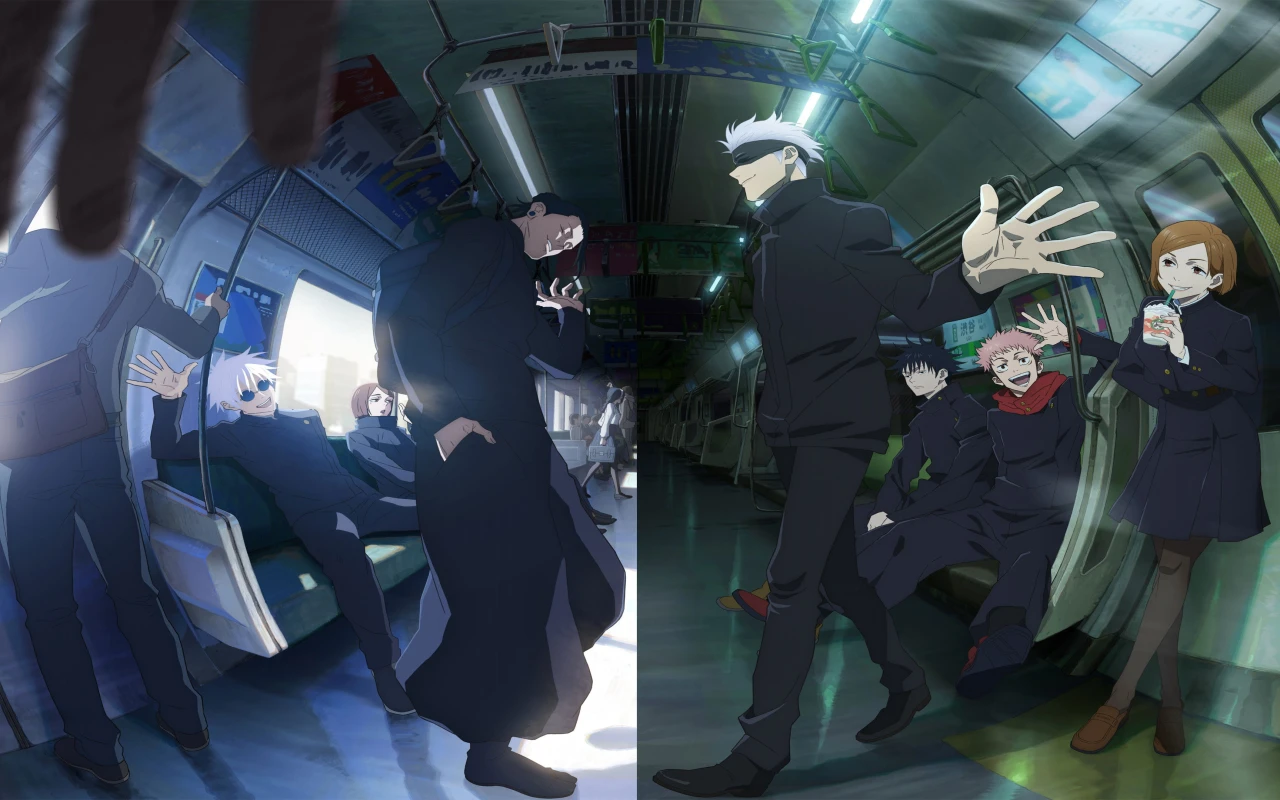
Explore the shift from classic shōnen's hopeful themes to a new era defined by darker, more brutal stories led by series like Jujutsu Kaisen.
- April 12, 2026
AceShowbiz - The era dominated by classic shōnen anime like Dragon Ball, One Piece, and Naruto is drawing to a close, making way for a fresh wave of series that define this new generation. While the legendary "Big Three" and their sequels continue to air, the landscape of shōnen anime has evolved considerably, ushering in stories and themes that mark a stark contrast to those of the past.
The old generation of shōnen anime was built around core themes of redemption, friendship, and forgiveness. These narratives often embraced hopeful, sometimes idealistic, resolutions. In contrast, the new generation is characterized by a grimmer tone, focusing heavily on brutality, vengeance, and a level of violence rarely seen before in series like One Piece. Although many fans point to Demon Slayer as the flagship of this new era, there is another anime that arguably leads the charge: Jujutsu Kaisen.
For over four decades, Dragon Ball has remained a cornerstone of anime culture, while One Piece has passed the 1,000-episode milestone without signs of slowing. The "Big Three" including Bleach and Naruto have not only defined the genre but also spurred numerous sequel series. Despite this ongoing legacy, the new generation is steadily taking the spotlight with a fresh and distinct approach to storytelling.
One of the most notable differences between the generations is the level of conciseness. The older shōnen often suffer from excessive filler episodes and drawn-out subplots, which can dilute the narrative momentum. In contrast, titles like Solo Leveling, Demon Slayer, and Jujutsu Kaisen maintain tight pacing, ensuring every episode delivers impactful content without unnecessary lulls.
Moreover, this new wave of anime embraces a harsher reality where death is final and impactful. In older series such as Dragon Ball and Naruto, death was frequently reversible or treated lightly; for example, Goku has died five times, and characters like Kakashi received miraculous resurrections. By contrast, in Jujutsu Kaisen and Demon Slayer, even key characters can perish suddenly, underscoring the stakes and emotional weight of the stories.
While Demon Slayer boasts remarkable success, including the highest-grossing Japanese film of all time with Demon Slayer: Mugen Train, its simple narrative structure limits its claim as the definitive leader of modern shōnen. The storyline centers on Muzan’s quest to conquer the sun and Tanjiro’s dual mission of avenging his family and saving his sister. This straightforward conflict is effective but lacks the complexity that defines the best of contemporary anime.
In contrast, Jujutsu Kaisen offers a layered narrative that resonates with the complexities of today’s world. It explores themes of survival within oppressive systems and delves into social dynamics that affect its characters profoundly. For instance, Maki Zen'in, one of the series’ strongest characters, struggles for recognition within her clan and only gains respect following its brutal downfall. This reflects a nuanced portrayal of meritocracy, prejudice, and resilience.
Satoru Gojo, a pivotal character, is respected primarily for his overwhelming power. His absence triggers a shift in the Jujutsu Society as conservative factions seek to suppress his influence by locking him away and targeting those he protects. This political undercurrent adds depth to the world-building and themes of control and resistance.
Ultimately, Jujutsu Kaisen stands out as the true flagship of modern shōnen anime because it mirrors the complexities, harshness, and contradictions of contemporary life. Unlike Demon Slayer, which will surely be remembered as an influential phenomenon, Jujutsu Kaisen captures the gritty realities of survival and the psychological toll of living in an unforgiving world.
This new generation of shōnen is a reflection of a rapidly changing global culture. Its stories are less about idealism and more about confronting difficult truths. Series like Jujutsu Kaisen and Demon Slayer are currently shaping this era, but it remains to be seen what the next wave of shōnen will bring and how this generation will be remembered.
In summary, while Demon Slayer has achieved remarkable commercial success and popularity, Jujutsu Kaisen offers a richer, more intricate narrative that better embodies the spirit and challenges of the current decade. For viewers seeking a shōnen anime that combines compelling storytelling, emotional depth, and cultural relevance, Jujutsu Kaisen stands unmatched.