The DCU's Justice League needs a perfect story. James Gunn could find it in a 30-year-old comic event where heroism, not a villain, takes center stage.
- April 5, 2026
AceShowbiz - Fans eagerly await the arrival of the Justice League in the new DC Universe, helmed by studio leaders James Gunn and Peter Safran. With only one movie and two TV shows released so far, the pressure to craft a compelling Justice League story is immense. The challenge lies in selecting a narrative that not only captures the epic scale of the team but also fits seamlessly into the evolving DCU framework. James Gunn faces the task of balancing an intense threat with a villain that doesn’t require extensive backstory, ensuring the story remains accessible to all audiences.
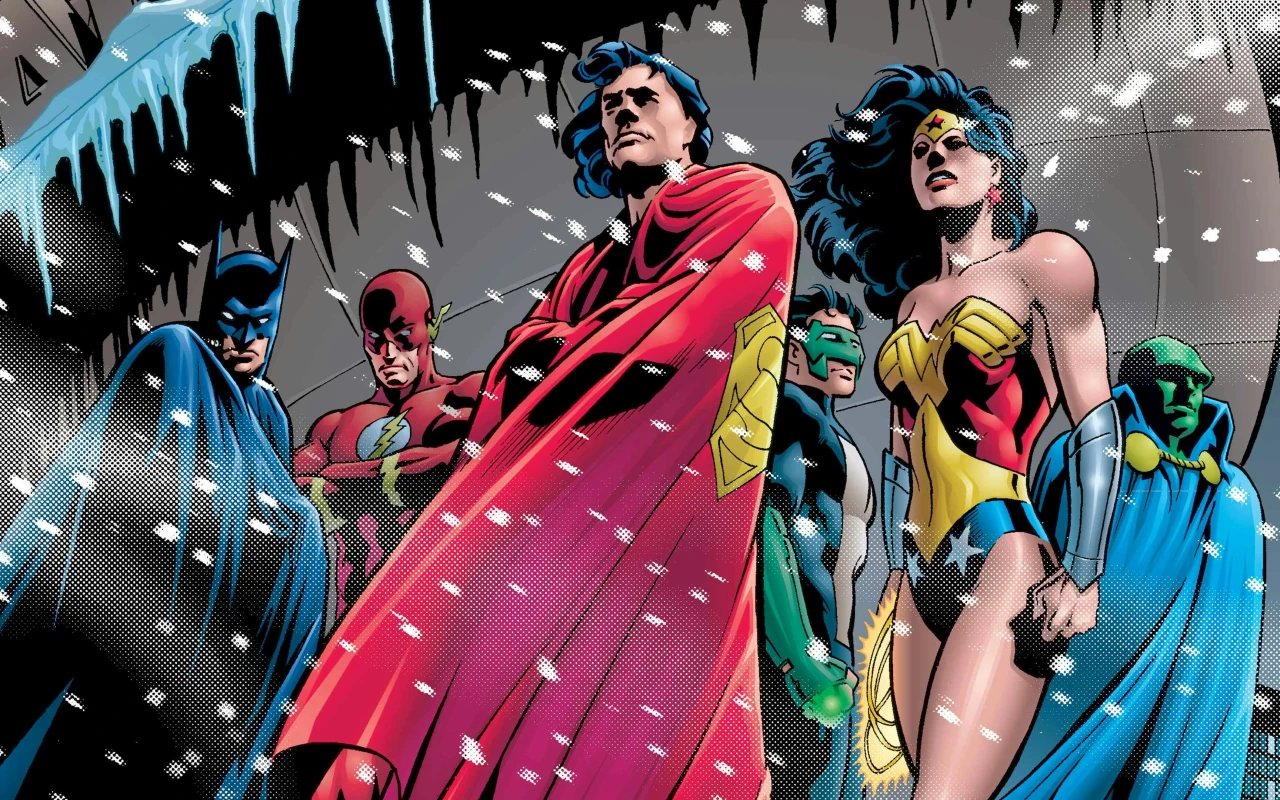
Fortunately, DC Comics provided an ideal blueprint nearly 30 years ago with the 1996 event known as Final Night. This storyline uniquely prioritizes heroism and teamwork over a traditional villain, making it a perfect fit for Gunn’s storytelling approach. It offers a high-stakes scenario involving a cosmic threat that demands cooperation among heroes without relying on complex villain motivations.
James Gunn is celebrated for his skill in character-driven storytelling, focusing on the interpersonal dynamics of a core group rather than overwhelming viewers with numerous characters or convoluted plots. His work on the Guardians of the Galaxy films exemplifies this technique, centering narratives on a small team with villains that serve primarily as catalysts rather than focal points. Similarly, in his recent Superman film, Gunn emphasizes the core relationship between Superman and Lex Luthor, supported by key figures like Lois Lane and Mister Terrific, while other characters remain in the background.
This method of storytelling is evident in how Gunn approaches villains, often transforming them into complex characters who share the spotlight with heroes, as seen with Luthor’s evolving role. In the upcoming sequel, Brainiac is set to be the primary antagonist, but the narrative will continue to explore the intricate dynamics between Superman and Luthor. This character-centric focus aligns closely with the themes of Final Night, which prioritizes the heroes’ responses to existential peril over a conventional villain showdown.
Final Night, created by Karl Kessel and Stuart Immonen, presents a crisis where a star-consuming alien entity called the Sun-Eater devours the sun, plunging Earth into darkness and threatening all life. The heroes have a mere five days to restore the sun or face extinction. Unlike typical DC events packed with multiple villains and sprawling conflicts, this story centers on survival and collaboration. Key figures including Lex Luthor join forces with other heroes and the brightest minds on Earth, showcasing unity in the face of a seemingly hopeless disaster.
The story’s climax reveals the arrival of Hal Jordan, embodying Parallax, who sacrifices himself to reignite the sun, underscoring themes of selflessness and heroism under impossible circumstances. This focus on willpower, sacrifice, and cooperation reflects James Gunn’s recurring motifs in his filmmaking, where characters are tested not just physically but morally and emotionally. Final Night explores what it means for heroes to persevere when strength alone won’t save the day.
This narrative style resonates with Gunn’s previous work in the Guardians of the Galaxy series, where characters repeatedly face life-threatening situations that require personal sacrifice. Notable examples include Groot’s self-sacrifice in the first film, Yondu’s in the second, and the team’s readiness to die for one another in the third installment. Similarly, in Superman, the titular hero surrenders himself in hopes of saving others, and a supporting character loses his life simply for aiding him. The spirit of Final Night aligns perfectly with these themes of heroism and sacrifice.
While Final Night does not originally depict the Justice League as a united team, its core concept can be adapted to serve as a foundational Justice League story within the DCU. The emphasis on hope, heroism, and collective action against a cosmic threat makes it a compelling vehicle for bringing the League together for the first time on screen. The storyline’s adaptable nature allows it to be tailored to fit the narrative arcs Gunn and Safran are developing.
Adapting Final Night for the new DCU would require some adjustments, but its fundamental themes and structure provide a strong foundation. The story’s focus on character-driven heroics, moral challenges, and cosmic scale threats matches the tone James Gunn is cultivating. It offers a way to showcase the formation of the Justice League while maintaining the emotional depth and narrative clarity that define his work.
Ultimately, Final Night stands out as a rare DC event that aligns perfectly with the creative vision behind the DCU’s next phase. Its emphasis on hope, sacrifice, and teamwork in the face of an overwhelming catastrophe offers a meaningful and engaging story that can introduce the Justice League to audiences in a fresh, impactful way. For a studio eager to balance blockbuster spectacle with character-driven storytelling, this 1996 event provides a blueprint that addresses many of the challenges James Gunn and Peter Safran face as they build the future of DC’s cinematic universe.