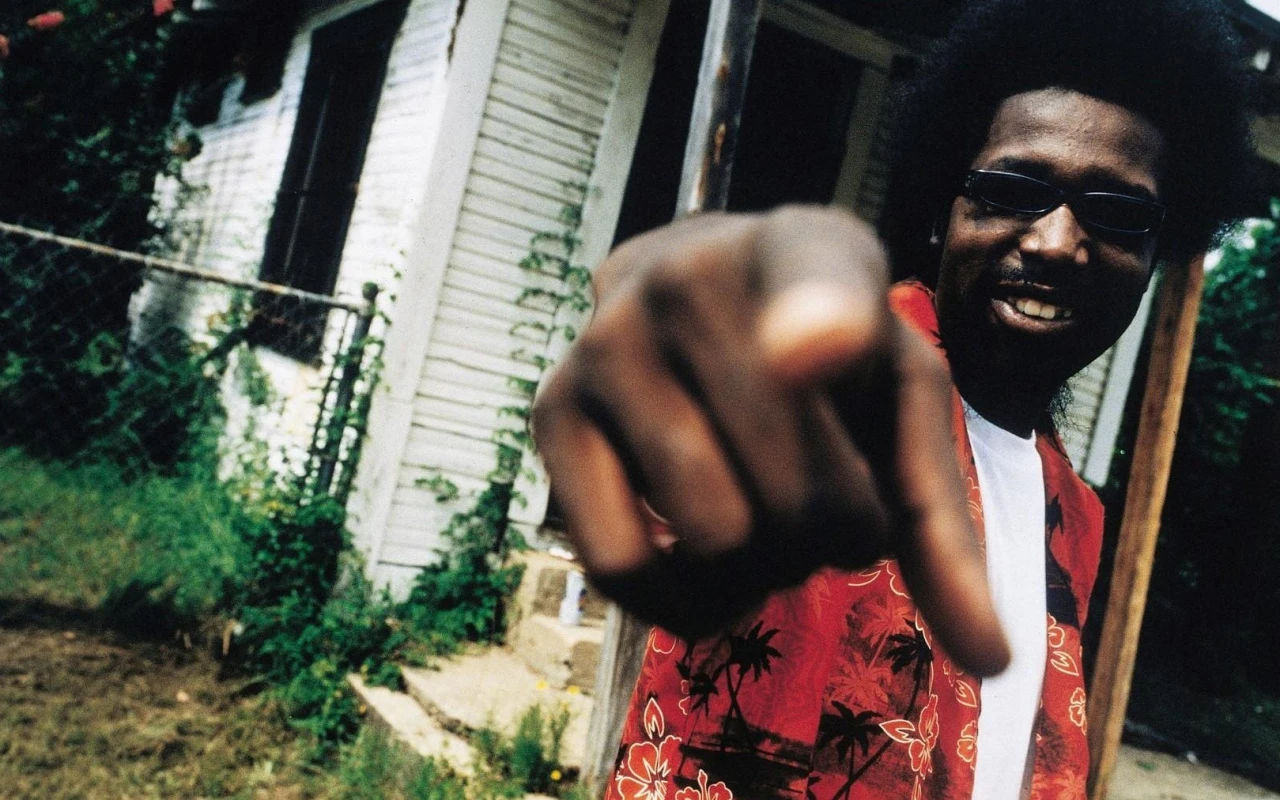
Afroman wins lawsuit as court dismisses police officers' defamation claims over satirical music videos made after a controversial raid.
- March 19, 2026
AceShowbiz - Joseph Edgar Foreman, known professionally as Afroman, secured a decisive legal victory after a lawsuit brought by seven Ohio police officers was rejected. The officers alleged that the rapper’s music videos and social media posts, which mocked law enforcement following a 2022 raid on his home, defamed them and caused emotional distress. However, the court found no grounds for liability, fully clearing Foreman of the claims.
The controversy originated after the Adams County Sheriff's Department executed a guns-drawn raid on Foreman’s residence in 2022. The raid involved forcibly entering his home, seizing over $5,000 in cash and other property, and was based on suspicions of drug trafficking and kidnapping. Ultimately, no charges were filed, and the seized money was returned. In response, Foreman used footage from his own surveillance cameras to produce satirical music videos criticizing the officers’ conduct during the raid.
The lawsuit alleged that these videos contained false statements and caused severe emotional harm to the officers involved. However, Foreman maintained that his actions were protected under the First Amendment as free speech, particularly given the circumstances of the raid. He argued that the police officers’ aggressive tactics were unjustified and that his creative responses were a legitimate form of expression.
After deliberation, the court returned its verdict in favor of Foreman, rejecting all claims of defamation and invasion of privacy. The presiding judge confirmed the decision.
This ruling represents a significant win for Joseph Edgar Foreman. Legal experts note that the verdict underscores the challenges public officials face when suing for defamation, especially when First Amendment protections of free speech and artistic expression are invoked.
Neither the plaintiff officers nor Foreman’s legal representatives issued immediate public statements following the verdict. The case has sparked broader discussion about the balance between law enforcement accountability and the limits of satirical criticism, especially in an era of heightened social media expression. As this case shows, creative responses to contentious encounters with authorities continue to test legal boundaries and public perceptions.