Elizabeth Angela Marguerite Bowes-Lyon, known to history as Queen Elizabeth the Queen Mother, was a British royal who became one of the most enduring and beloved figures of the twentieth century. Born on August 4, 1900, into a family of British nobility, she rose from relative obscurity to become queen consort of the United Kingdom and the last empress of India, serving as the wife of King George VI from 1936 until his death in 1952. Her remarkable life spanned more than a century, and her cheerful resilience through war, widowhood, and the many upheavals of the modern monarchy earned her a lasting place in the affection of the British public.
Elizabeth came to public prominence in 1923 when she married Prince Albert, Duke of York, the second son of King George V and Queen Mary. The couple had two daughters, Elizabeth and Margaret, and together they embodied traditional ideas of family and public service. As Duchess of York, Elizabeth undertook a wide variety of public engagements and became known for her consistently cheerful countenance, a quality that would define her public image for decades to come.
In 1936, her husband unexpectedly ascended the throne as George VI after his older brother, Edward VIII, abdicated in order to marry the American divorcée Wallis Simpson. Elizabeth thereby became queen consort. She accompanied her husband on diplomatic tours to France and North America before the outbreak of the Second World War. During the war, her seemingly indomitable spirit provided moral support to the British public, and she famously refused to leave London during the Blitz, visiting bombed-out neighborhoods alongside the King. After the war, her husband's health deteriorated, and she was widowed in 1952 at the age of fifty-one. Her elder daughter, then aged twenty-five, became the new monarch, reigning as Queen Elizabeth II.
After the death of Queen Mary in 1953, Elizabeth was viewed as the matriarch of the British royal family. In her later years, she remained a consistently popular member of the family, even at times when other royals suffered from low levels of public approval. She continued an active public life until just a few months before her death, maintaining a busy schedule of engagements well into her nineties and beyond. She died on March 30, 2002, at the age of 101, just seven weeks after the death of her younger daughter, Princess Margaret. Her long life, spanning two world wars and the reigns of multiple monarchs, made her a living link to a vanished era of British history, and her legacy endures as a symbol of duty, grace, and quiet strength.
⭐
Similar Celebrities



📷
Recent Photos
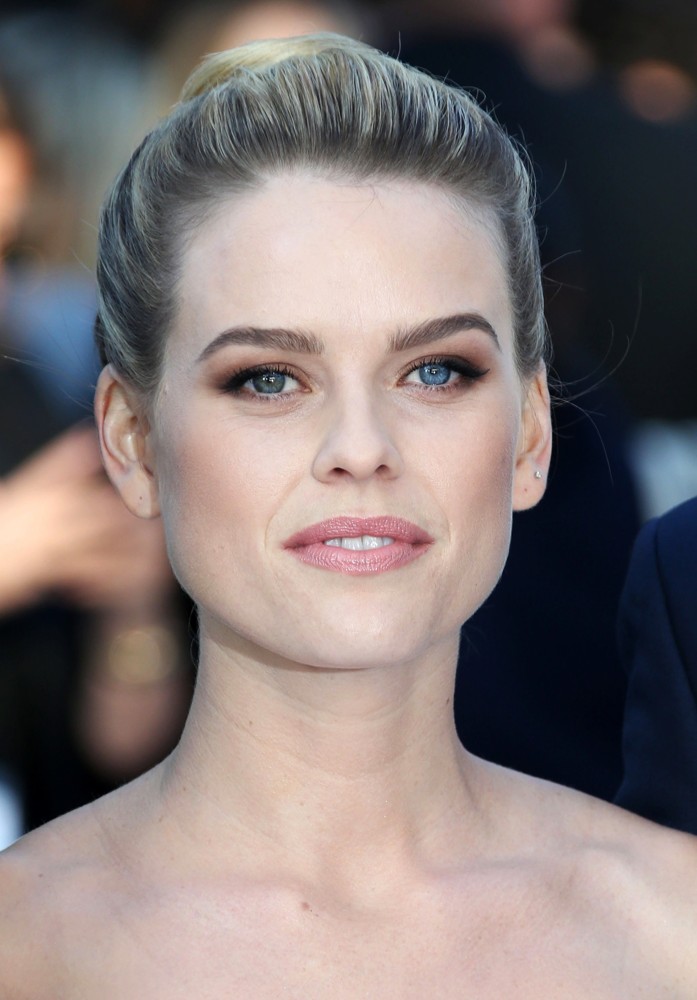
Alice Eve
U.K. Premiere of Star Trek Into Darkness - Arrivals
May 2, 2013

Alice Eve
U.K. Premiere of Star Trek Into Darkness - Arrivals
May 2, 2013
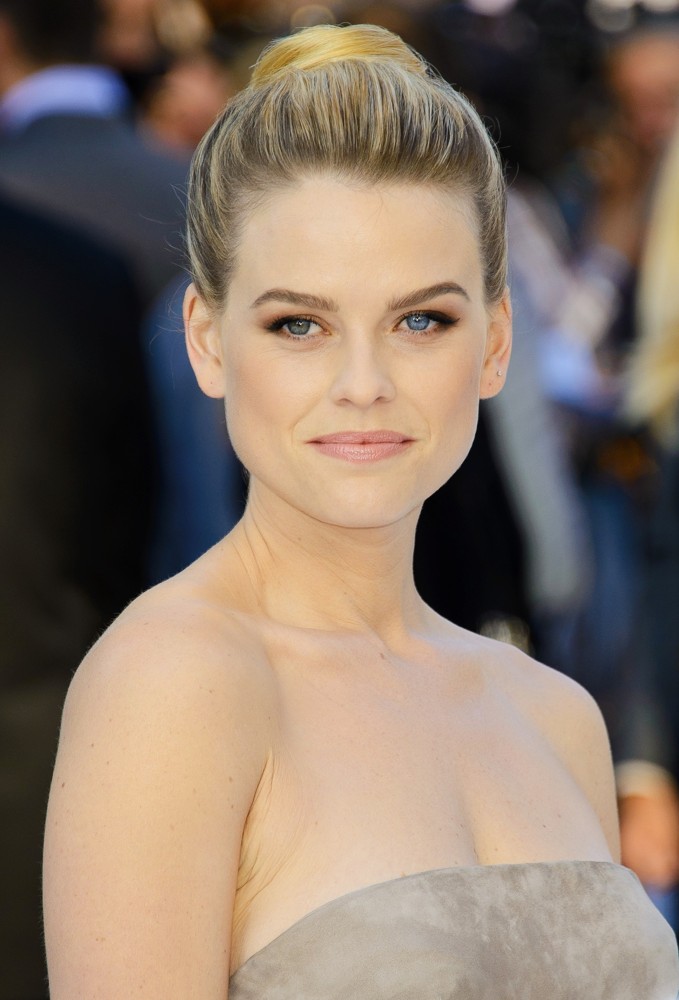
Alice Eve
U.K. Premiere of Star Trek Into Darkness - Arrivals
May 2, 2013
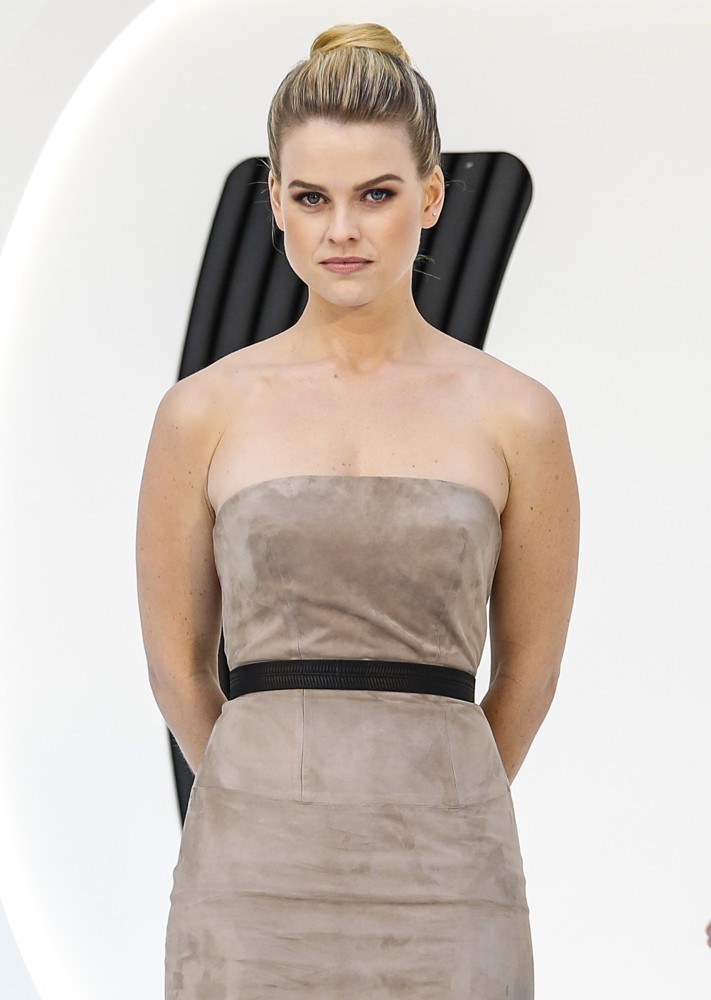
Alice Eve
U.K. Premiere of Star Trek Into Darkness - Arrivals
May 2, 2013

Alice Eve
U.K. Premiere of Star Trek Into Darkness - Arrivals
May 2, 2013
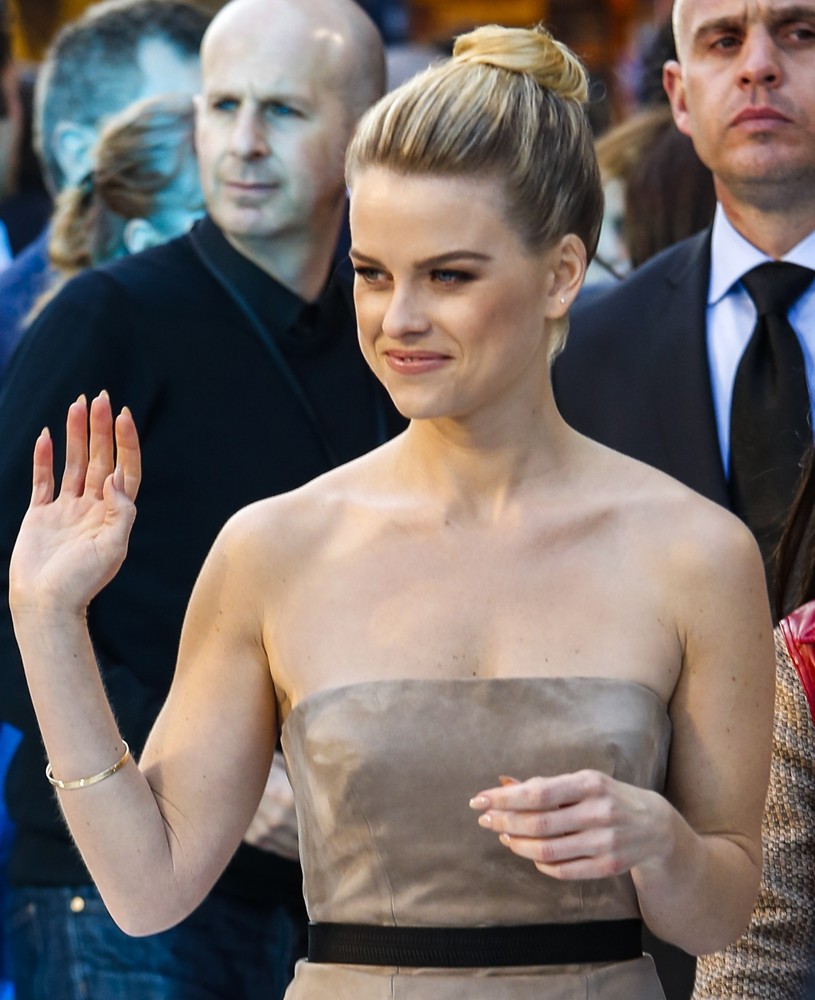
Alice Eve
U.K. Premiere of Star Trek Into Darkness - Arrivals
May 2, 2013





⭐Featured Celebrities