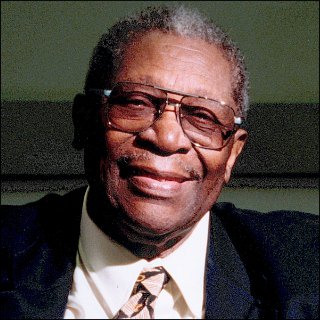
 B.B. King, born Riley B. King on September 16, 1925, in Itta Bena, Mississippi, is widely regarded as one of the most influential figures in the history of blues music. His unique guitar playing style, expressive singing, and ability to convey deep emotions through music made him a seminal artist in the genre. King's career spanned over six decades, during which he captivated audiences worldwide and helped shape the sound of contemporary blues.
Growing up in the rural South, King experienced hardship from an early age. He was raised by his mother, Nora Ella King, after his parents separated, and he developed a passion for music while working as a tractor driver on a plantation. By the age of 12, he was already performing on local radio stations. His big break came in the late 1940s when he began to gain recognition for his performances in clubs and bars across the South. In 1951, he released "Three O'Clock Blues," a landmark single that became his first major hit and solidified his place in the music industry.
Throughout the 1950s and 1960s, B.B. King became known not only for his powerful voice but also for his innovative guitar technique, particularly his expressive use of vibrato. He often referred to his guitar, named "Lucille," as a partner in his performances. His music blended elements of gospel, jazz, and blues, which helped to broaden the appeal of the genre. King's extensive discography includes iconic albums such as "Live at the Regal" and "Blues Is King," showcasing his ability to connect with audiences on a personal level.
King's influence extended beyond his recordings. He toured extensively, performing around 300 shows a year for much of his career. His collaborations with other music legends, including Eric Clapton, U2, and Johnny Winter, further cemented his status in the music world. He received numerous awards and accolades throughout his lifetime, including 15 Grammy Awards and the Grammy Lifetime Achievement Award, recognizing his contributions to music.
In addition to his musical achievements, B.B. King was known for his philanthropic efforts and dedication to mentoring young musicians. He often spoke about the importance of music education and the role of blues as a foundation for many contemporary genres. His legacy continues to influence artists across various musical styles, and his songs remain staples in the blues genre.
B.B. King passed away on May 14, 2015, leaving behind a rich legacy that transcends generations. His impact on music, culture, and the arts is undeniable, and he is remembered as a true pioneer of the blues. The heartfelt emotions he conveyed through his music and performances continue to resonate with fans around the world, ensuring that the spirit of B.B. King lives on.
⭐
Similar Celebrities

📷
Recent Photos
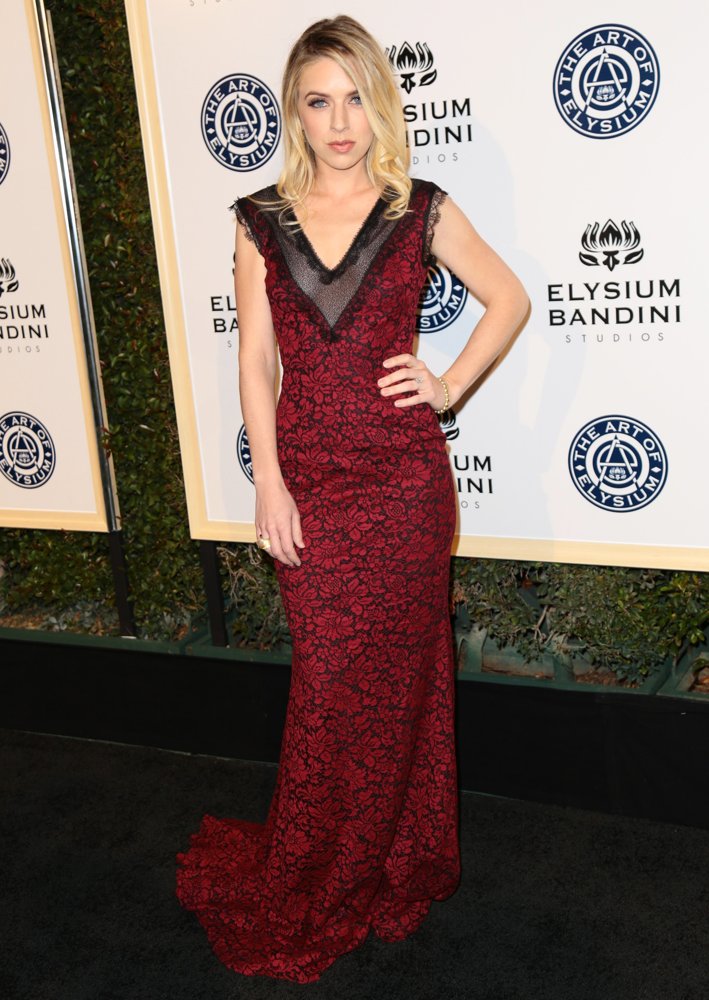
ZZ Ward
The Art of Elysium Presents Stevie Wonder's HEAVEN - Celebrating The 10th Anniversary
Jan 7, 2017
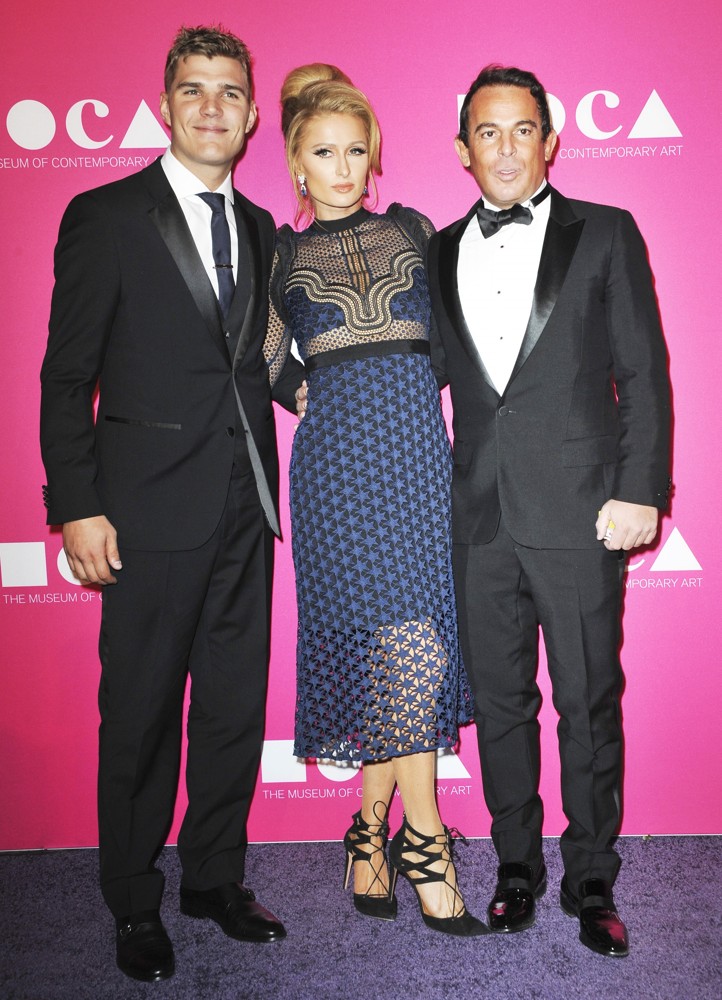
Chris Zylka
MOCA Gala 2017
Apr 29, 2017

Lucas Zwirner
21 Bridges Screening
Nov 19, 2019

Lucas Zwirner
The 72nd Annual Writers Guild Awards
Feb 1, 2020

Andrey Zvyagintsev
2018 Film Independent Spirit Awards - Arrivals
Mar 3, 2018

Zuri Tibby
Victoria's Secret Fashion Show Viewing Party - Red Carpet Arrivals
Dec 2, 2018





⭐Featured Celebrities