Wilton Norman Chamberlain, known to the world as Wilt Chamberlain, stands as one of the most dominant and transformative figures in the history of professional sports. Born on August 21, 1936, in Philadelphia, Pennsylvania, the 7-foot-1-inch center redefined the game of basketball with a combination of size, strength, and athleticism that was decades ahead of its time. His statistical achievements remain so staggering that they border on the mythological, and his legacy as one of the greatest basketball players of all time is etched into the very fabric of the National Basketball Association, where he is enshrined in the Naismith Memorial Basketball Hall of Fame and honored on the league's 35th, 50th, and 75th anniversary teams.
Chamberlain's journey to superstardom began in the Philadelphia public school system, where his height immediately drew attention and gave rise to nicknames he would come to despise, such as "Wilt the Stilt" and "Goliath." Preferring the moniker "the Big Dipper," inspired by friends who watched him duck his head through doorways, he honed a skill set that included the fadeaway jump shot and the finger roll, moves that were revolutionary for a player of his size. After a standout college career at the University of Kansas, where he led the Jayhawks to the 1957 national championship game only to lose to the North Carolina Tar Heels in triple overtime, he spent a season with the Harlem Globetrotters before entering the NBA. His professional career began with the Philadelphia Warriors, where he immediately announced his arrival by winning both the Rookie of the Year award and the first of his four regular-season MVP trophies.
The sheer volume of Chamberlain's records is nearly incomprehensible; he holds 72 NBA records, including the legendary 100-point game, a 55-rebound performance, and the distinction of never fouling out in his 14-season career. He remains the only player to average 30 points and 20 rebounds per game in a season, a feat he accomplished seven times, and he once averaged an unfathomable 50 points per game while also averaging 48 minutes per game in a single season. His rivalry with Boston Celtics center Bill Russell defined an era, as Chamberlain's teams suffered a long string of playoff defeats to Russell's Celtics before he finally broke through, leading the Philadelphia 76ers to the 1967 NBA championship. He secured his second title with the Los Angeles Lakers in 1972, a team that set an enduring record with a 33-game winning streak, and he earned Finals MVP honors in that championship run. Across his career, he amassed seven scoring titles, eleven rebounding titles, and nine field goal percentage titles, along with thirteen All-Star selections and ten All-NBA Team nods.
Beyond his on-court brilliance, Chamberlain's impact was felt in the rulebook, as his dominance near the basket led to the widening of the lane, the implementation of offensive goaltending rules, and the banning of inbound passes over the backboard. His poor free-throw shooting, combined with his ability to dunk from the foul line, even prompted a rule requiring shooters to keep their feet behind the line. After retiring from basketball, Chamberlain pursued a career in volleyball, playing in the short-lived International Volleyball Association and serving one term as its president, a tenure that earned him enshrinement in the IVA Hall of Fame. He passed away on October 12, 1999, but his legend endures, with former teammate Billy Cunningham once noting that "The NBA Guide reads like Wilt's personal diary," a testament to a career that remains without parallel in the annals of American sport.
⭐
Similar Celebrities

📷
Recent Photos

Caroline Aaron
26th Annual SAG Awards - Press Room
Jan 19, 2020
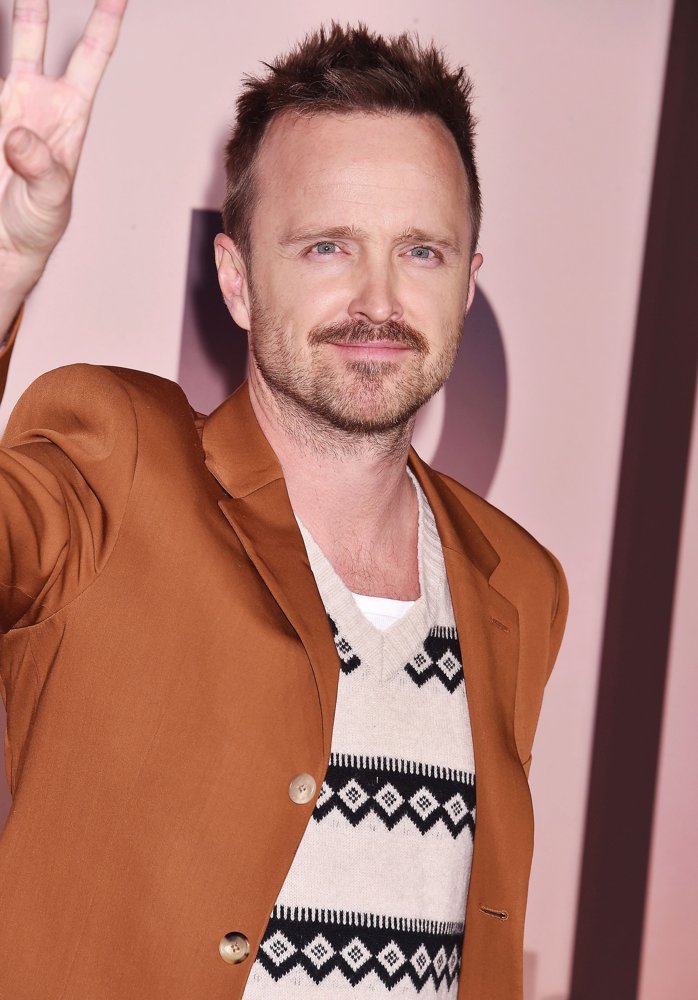
Aaron Paul
Premiere of HBO's Westworld Season 3 - Arrivals
Mar 5, 2020

Aaron Paul
Premiere of HBO's Westworld Season 3 - Arrivals
Mar 5, 2020

Abbie Quinnen
UK Screening of The Hitman's Wife's Bodyguard
Jun 14, 2021
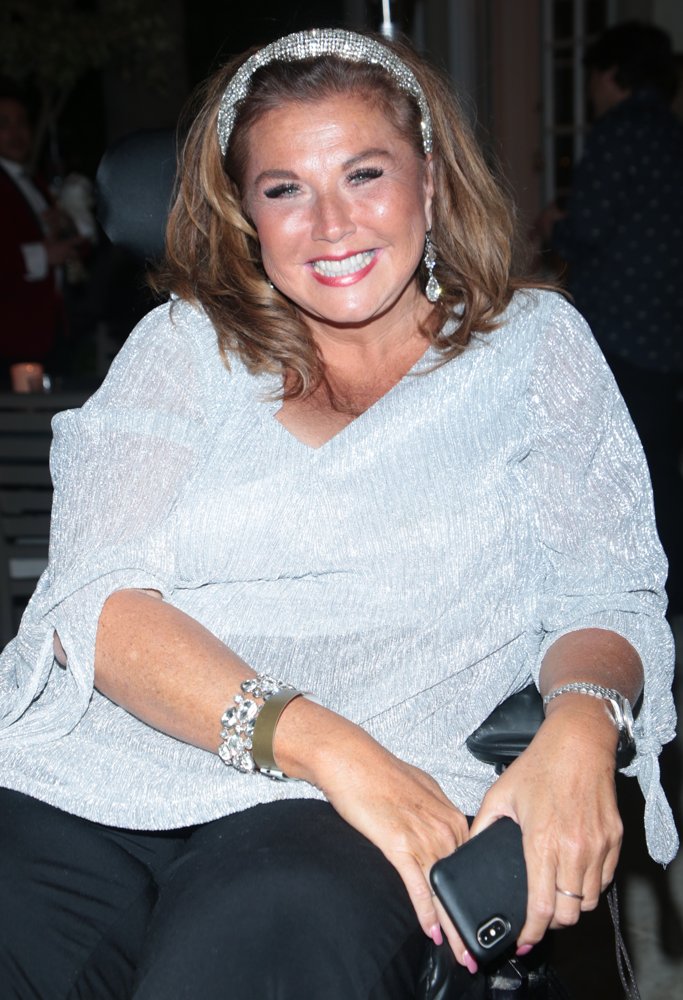
Abby Lee Miller
Abby Lee Miller Seen for Oscar's Night
Apr 25, 2021
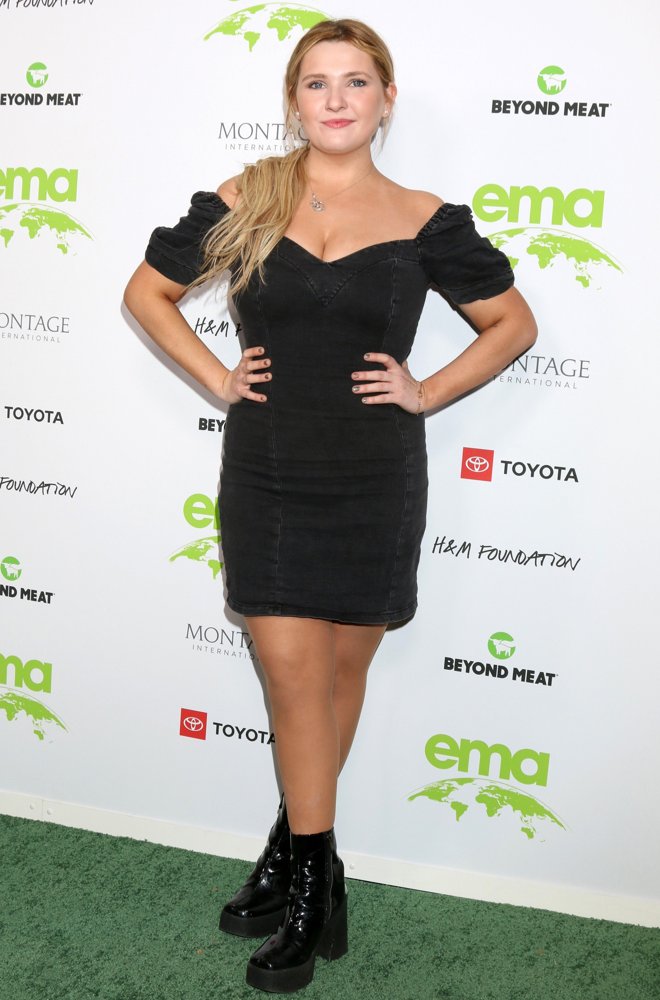
Abigail Breslin
2021 Environmental Media Association Awards
Oct 16, 2021





⭐Featured Celebrities