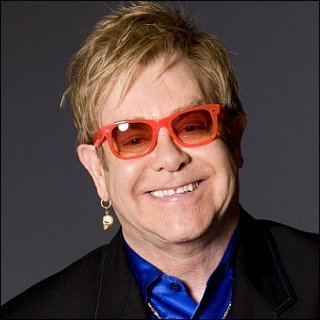
Ike Turner was a titan of American music, a pioneering force whose influence stretched from the raw birth of rock and roll to the polished heights of soul and R&B. Born Izear Luster Turner Jr. on November 5, 1931, in Clarksdale, Mississippi, he was a musical prodigy who began playing piano in childhood, laying the foundation for a career that would forever alter the landscape of popular music. As a teenager, he formed the Kings of Rhythm, a group that would become his lifelong musical vehicle. Turner's first recording with the band, "Rocket 88," credited to Jackie Brenston and his Delta Cats, is widely hailed as one of the strongest contenders for the very first rock and roll record, a testament to his early genius for blending blues with a new, explosive energy.
During the 1950s, Turner expanded his influence beyond performance, teaching himself guitar and becoming a crucial talent scout and producer for Sun Records and Modern Records. In this capacity, he played an instrumental role in the early careers of legendary blues figures such as B.B. King, Howlin' Wolf, and Bobby Bland, solidifying his reputation as a key architect of the genre. In 1954, he relocated to East St. Louis, where the Kings of Rhythm became the dominant act in the greater St. Louis area. The decade culminated in 1960 with the formation of the Ike & Tina Turner Revue, a live spectacle that paired his sharp musical direction with the electrifying stage presence of his wife, Tina Turner. The Revue became a major crossover success, blending soul, rock, and funk into a ferocious sound that captivated audiences and influenced countless artists.
Despite his professional achievements, Turner's personal life was overshadowed by a destructive cocaine addiction, which he battled for at least fifteen years, and by allegations of severe domestic violence detailed by Tina Turner in her 1986 autobiography and the 1993 film adaptation What's Love Got to Do with It. These accusations severely damaged his public image and career. He was convicted on drug offenses and served eighteen months in prison, and after his release in 1991, he faced an uphill battle to rebuild his legacy. In the final decade of his life, Turner experienced a remarkable career resurgence as a frontman, returning to his beloved blues roots. He released two critically acclaimed albums, Here and Now (2001) and Risin' with the Blues (2006), which earned him Grammy Awards and re-established him as a formidable musical force. Hailed by contemporaries like Little Richard and Johnny Otis as a great innovator, Turner's technical prowess was also recognized by critics, with David Fricke of Rolling Stone ranking him No. 61 on the magazine's list of the 100 Greatest Guitarists.
Turner's legacy is a complex tapestry of genius and controversy. He won five Grammy Awards, including two competitive awards and three Grammy Hall of Fame Awards, and received the Recording Academy's Heroes Award. He was inducted into the Rock and Roll Hall of Fame alongside Tina Turner in 1991, and his solo contributions have been honored with inductions into the St. Louis Walk of Fame, the Clarksdale Walk of Fame, the Mississippi Musicians Hall of Fame, the Blues Hall of Fame, and the Rhythm & Blues Hall of Fame. Ike Turner passed away from a drug overdose on December 12, 2007, but his musical innovations continue to resonate, ensuring his place as a foundational, if deeply flawed, pioneer of American music.
⭐
Similar Celebrities





📷
Recent Photos

Zuri Hall
Sing 2 Premiere - Arrivals
Dec 12, 2021

Zuri Hall
Sing 2 Premiere - Arrivals
Dec 12, 2021

Zooey Deschanel
Baby2Baby 10-Year Gala 2021
Nov 13, 2021

Zooey Deschanel
Baby2Baby 10-Year Gala 2021
Nov 13, 2021

Zooey Deschanel
2021 Environmental Media Association Awards
Oct 16, 2021
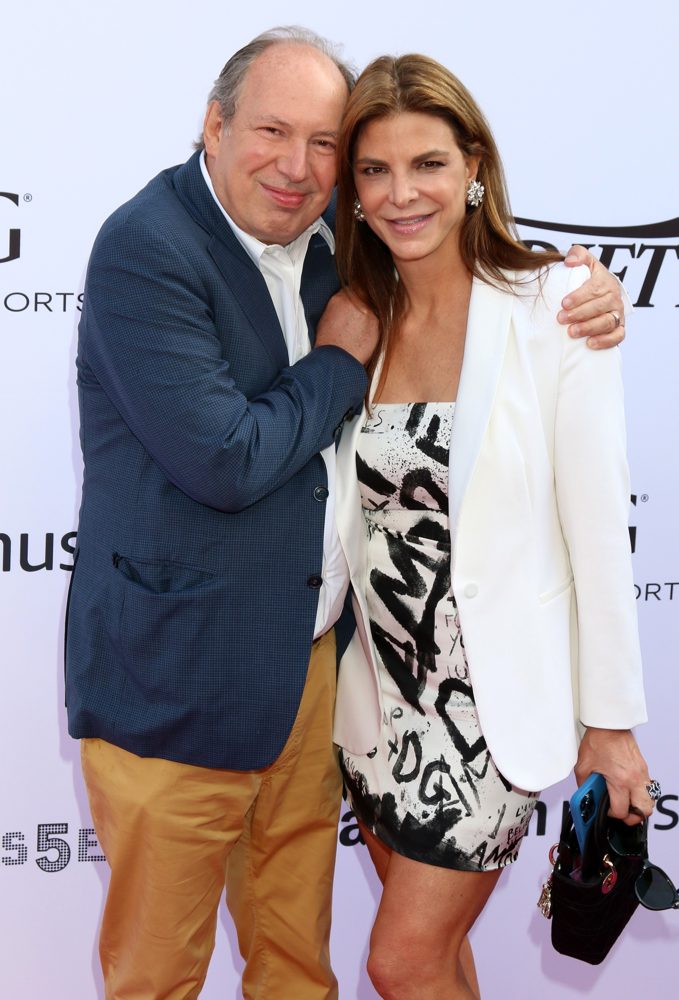
Hans Zimmer
Variety 2021 Music Hitmakers Brunch
Dec 4, 2021





⭐Featured Celebrities