Huang Xing, a towering figure in Chinese revolutionary history, is celebrated as a founding father of the Republic of China and the first commander-in-chief of its fledgling military. Born on October 25, 1874, in the village of Gaotang, now part of Changsha, Hunan, his legacy is inextricably linked with that of Sun Yat-sen, with the pair famously known together as the "Sun-Huang" alliance that spearheaded the Xinhai Revolution. Huang's role as a military strategist and political organizer was so pivotal that he was second only to Sun in the hierarchy of the Kuomintang (KMT), the party they co-founded. His remarkable journey from a scholar in a traditional Confucian society to a revolutionary general earned him the moniker "Eight Fingered General," a testament to the wounds he sustained in battle, which cost him two fingers on his left hand.
Huang Xing was born as Huang Zhen, a name that, like many Chinese men of his era, would change multiple times throughout his life. He was also known as Huang Keqiang and Qing Wu, and after the 1911 Revolution, he adopted the aliases Li Youqing and Zhang Shouzheng for clandestine activities. Educated in classical Chinese texts, he initially pursued a path toward civil service but grew disillusioned with the Qing dynasty's corruption and weakness in the face of foreign imperialism. This discontent led him to study in Japan, where he immersed himself in modern military science and revolutionary ideology, eventually founding the anti-Qing organization Huaxinghui in 1904. His efforts to overthrow the monarchy were marked by numerous failed uprisings, but each setback only hardened his resolve.
The climax of Huang's career came with the Wuchang Uprising in 1911, which ignited the Xinhai Revolution. As the revolution spread, Huang rushed to the front lines, taking command of the revolutionary forces in battles against the Qing army. His leadership and bravery during the defense of Hankou and Hanyang solidified his reputation as a military hero. Following the establishment of the Republic of China, he served as the Minister of War and later as the commander-in-chief of the national army. However, political infighting and the rise of warlordism strained his relationship with Sun Yat-sen, leading to periods of exile in Japan and the United States. Despite these challenges, Huang remained a unifying figure within the KMT until his death.
Huang Xing passed away on October 31, 1916, at the age of 42, just days after his birthday. His final resting place is on Mount Yuelu in Changsha, Hunan, a site that has become a pilgrimage for those honoring the revolution. Though his life was cut short, his contributions as a co-founder of the Republic of China and the Kuomintang remain foundational. Today, Huang is remembered not only as a revolutionary strategist but also as a symbol of unwavering dedication to national liberation, standing alongside Sun Yat-sen as a central architect of modern China.
⭐
Similar Celebrities


📷
Recent Photos
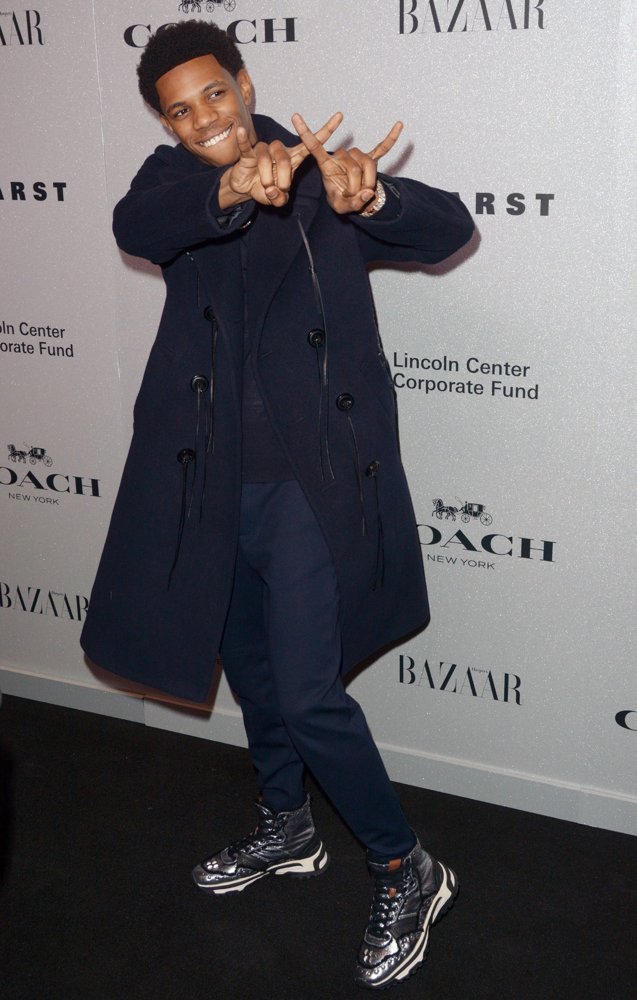
A Boogie Wit Da Hoodie
Lincoln Center Fashion Gala - An Evening Honoring Coach
Nov 29, 2018

A Boogie Wit Da Hoodie
STARZ Red Carpet Event for Power Final Season World Premiere
Aug 20, 2019

A Fine Frenzy
World Premiere of Fantastic Beasts: The Crimes of Grindelwald - Arrivals
Nov 8, 2018

A Fine Frenzy
The UK Premiere of Fantastic Beasts: The Crimes of Grindelwald - Arrivals
Nov 13, 2018

Caroline Aaron
26th Annual SAG Awards - Press Room
Jan 19, 2020
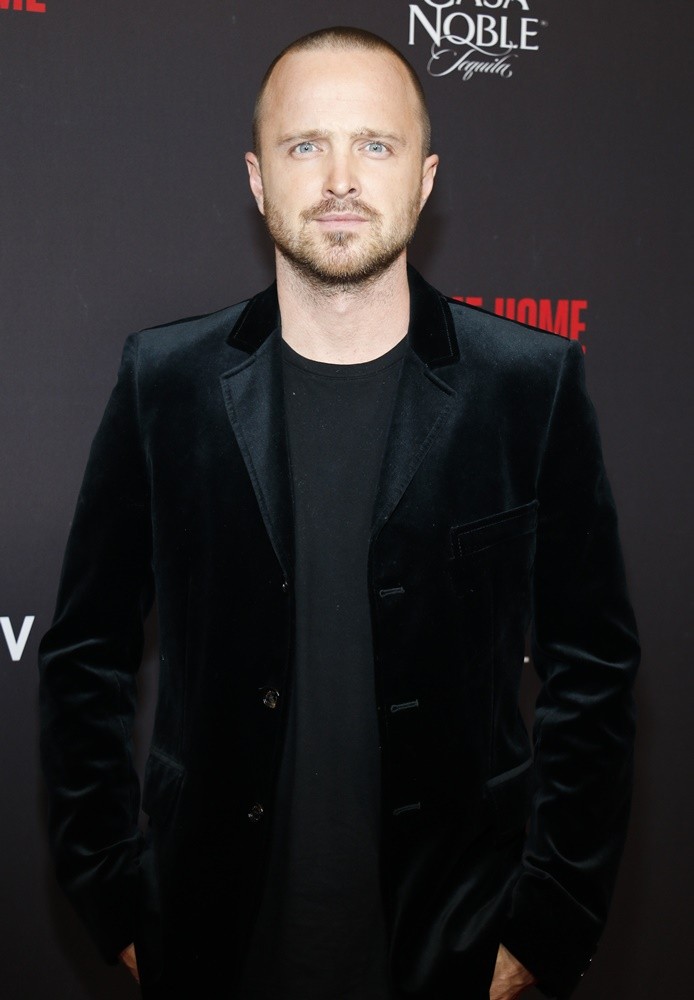
Aaron Paul
Film Premiere of Welcome Home
Nov 4, 2018




⭐Featured Celebrities