Hideaki Anno, born on May 22, 1960, is a visionary Japanese animator, filmmaker, and producer whose groundbreaking work has left an indelible mark on anime and popular culture worldwide. Best known as the creator of the iconic Evangelion franchise, Anno’s career is defined by his postmodernist storytelling and deep psychological exploration of characters’ inner lives, blending surreal imagery with raw emotional intensity. From his early days as a struggling animator to his status as a cultural icon, Anno’s journey reflects a relentless pursuit of creative expression that has influenced generations of artists and fans.
Anno’s path began at Osaka University of Arts, where he honed his skills as an animator on the classic series The Super Dimension Fortress Macross from 1982 to 1983. He gained early attention for his work on the Daicon III and IV opening animations, which showcased his dynamic style. His big break came when he contributed to Hayao Miyazaki’s landmark 1984 film Nausicaä of the Valley of the Wind, a collaboration that cemented his reputation for technical prowess and narrative depth. In December 1984, Anno co-founded the studio Gainax, where he served as animation director for their debut feature Royal Space Force: The Wings of Honnêamise in 1987. He quickly rose to become Gainax’s premiere director, helming acclaimed projects like the sci-fi series Gunbuster in 1988 and the adventure epic Nadia: The Secret of Blue Water from 1990 to 1991, which won the Animage Anime Grand Prix award in 1990.
Anno’s crowning achievement arrived with the television series Neon Genesis Evangelion from 1995 to 1996, a dark, psychologically complex mecha anime that revolutionized the industry. Budgetary constraints forced him to replace the planned ending with two introspective episodes set within the characters’ minds, sparking both controversy and fascination. In 1997, Gainax launched a project to reimagine the scrapped ending as a feature-length film, but financial issues left it incomplete; the 27 minutes of finished animation became part of Evangelion: Death and Rebirth. This culminated in The End of Evangelion, a three-act film that served as a definitive, surreal finale and won the Animage Anime Grand Prix in 1997. Anno later wrote and directed the Rebuild of Evangelion film series from 2007 to 2021, designed to be more accessible to newcomers while expanding the saga’s mythos.
Beyond Evangelion, Anno’s directorial work spans diverse genres, including the romantic comedy Kare Kano in 1998, the live-action films Love & Pop in 1998 and Shiki-Jitsu in 2000, and the anime adaptation Cutie Honey in 2004. He achieved massive critical and commercial success with the 2016 tokusatsu film Shin Godzilla, which revitalized the Godzilla franchise and marked the start of a “Shin” trilogy. This was followed by Shin Ultraman in 2022 and Shin Kamen Rider in 2023, both of which Anno wrote and produced, showcasing his deep love for Japanese pop culture. His work has earned multiple Animage Anime Grand Prix awards, including for Nadia: The Secret of Blue Water in 1990, Neon Genesis Evangelion in 1995 and 1996, and The End of Evangelion in 1997. Today, Anno remains a towering figure in animation and filmmaking, continuing to push boundaries through his studio Khara, which he founded in 2006. His legacy as a postmodernist auteur and cultural innovator endures, inspiring countless creators and shaping the landscape of modern anime.
⭐
Similar Celebrities

📷
Recent Photos

Abigail Breslin
2021 Environmental Media Association Awards
Oct 16, 2021

Adam Driver
House of Gucci UK Premiere - Arrivals
Nov 9, 2021
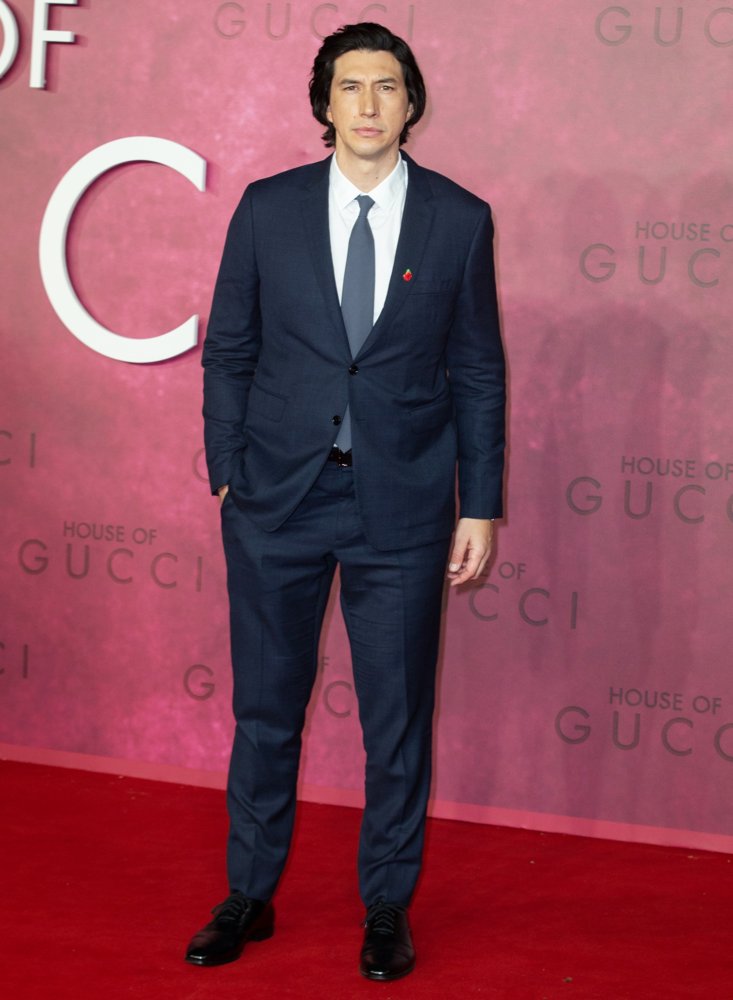
Adam Driver
House of Gucci UK Premiere - Arrivals
Nov 9, 2021
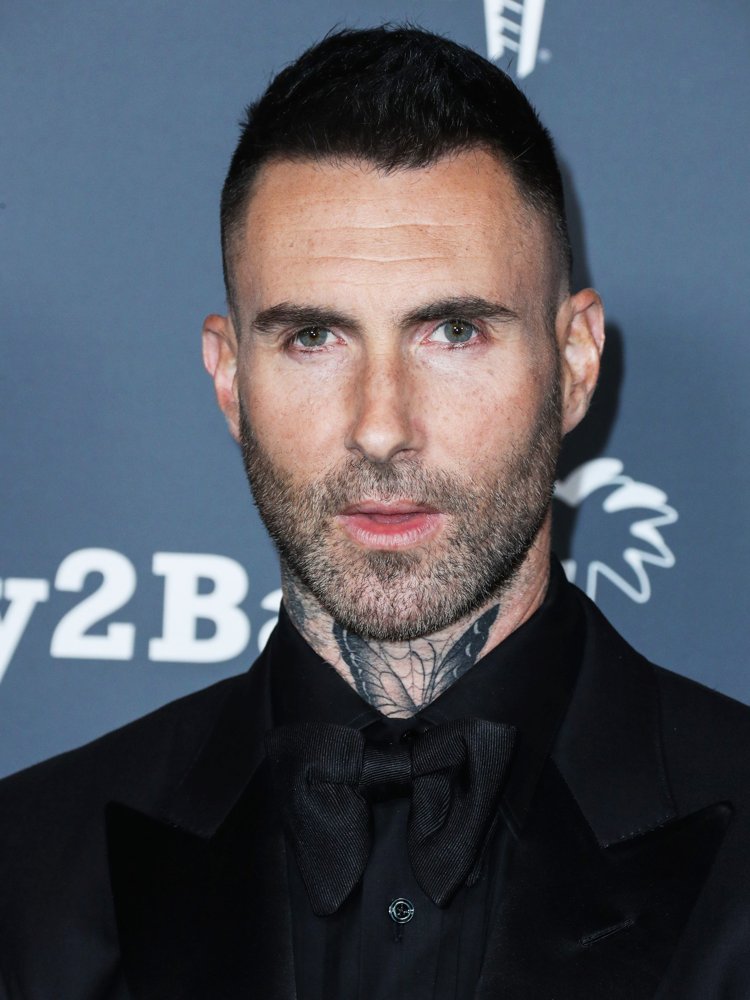
Adam Levine
Baby2Baby 10-Year Gala 2021
Nov 13, 2021
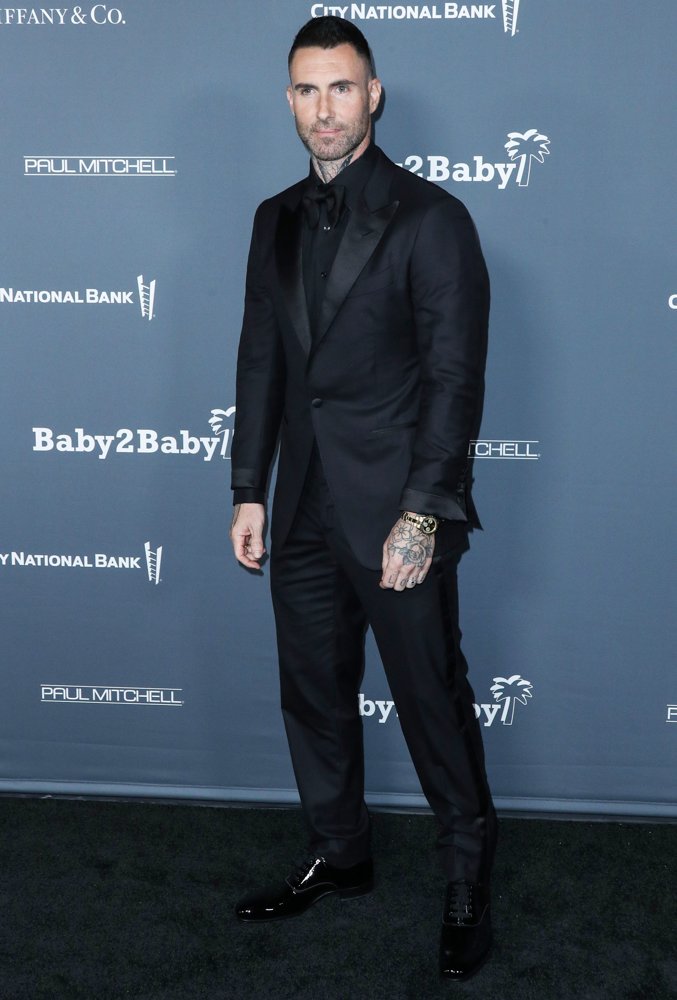
Adam Levine
Baby2Baby 10-Year Gala 2021
Nov 13, 2021

Addison Rae
The Fashion Awards 2021
Nov 29, 2021





⭐Featured Celebrities