 George Takei, born George Hosato Takei on April 20, 1937, in Los Angeles, California, is an acclaimed American actor, author, and activist, best known for his iconic role as Hikaru Sulu, the helmsman of the USS Enterprise, in the beloved science fiction franchise Star Trek. Takei's contributions to both the entertainment industry and social advocacy have made him a prominent figure in American culture.
Growing up in a Japanese-American family, Takei faced significant challenges during World War II. His family was forcibly relocated to the Tule Lake Segregation Center, an internment camp in Northern California, where they lived for several years. This experience profoundly shaped his views on civil rights and justice. He became fluent in both English and Japanese, skills that would serve him well in his later career.
Takei's journey into acting began in college, where he honed his craft and developed a passion for performance. His breakthrough came in 1965 when he was cast as Sulu in Star Trek, a role he would reprise in various forms throughout the franchise's extensive history, including in several films and animated series. His portrayal of Sulu not only contributed to the show's groundbreaking representation of Asian-American characters but also helped pave the way for greater diversity in Hollywood.
In addition to his work on Star Trek, Takei has appeared in numerous films and television shows, showcasing his versatility as an actor. His career spans several decades, and he has collaborated with many notable figures in the industry, making guest appearances in series such as The Big Bang Theory and lending his voice to animated projects like Avatar: The Last Airbender.
In 2005, George Takei publicly came out as gay, becoming a prominent advocate for LGBT rights. His activism has extended into various spheres, including state and local politics, where he has been an outspoken supporter of marriage equality and anti-discrimination policies. He further amplified his voice through his work on the Broadway show Allegiance, which focuses on the Japanese-American internment experience during World War II, highlighting the importance of remembering history to prevent future injustices.
Takei's efforts in promoting human rights and fostering Japan–United States relations have not gone unnoticed; he has received numerous awards and accolades throughout his lifetime. His role as a spokesperson for the Japanese American National Museum in Los Angeles has also contributed significantly to raising awareness about the experiences of Japanese Americans during the war.
Today, George Takei continues to be a vibrant presence in both the entertainment industry and the realm of social activism. He engages his audience through social media, where he shares his insights on various issues while remaining a beloved figure in pop culture. Married to Brad Altman since September 14, 2008, Takei's life is a testament to resilience, advocacy, and the enduring power of storytelling.
⭐
Similar Celebrities






📷
Recent Photos
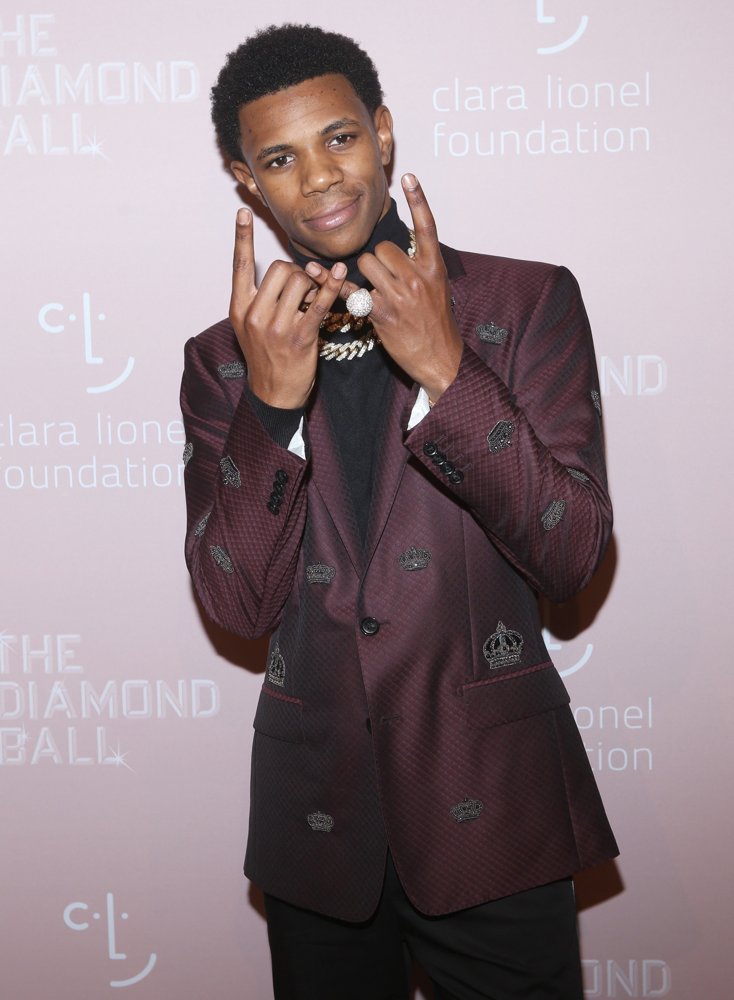
A Boogie Wit Da Hoodie
Rihanna's 4th Annual Diamond Ball
Sep 13, 2018
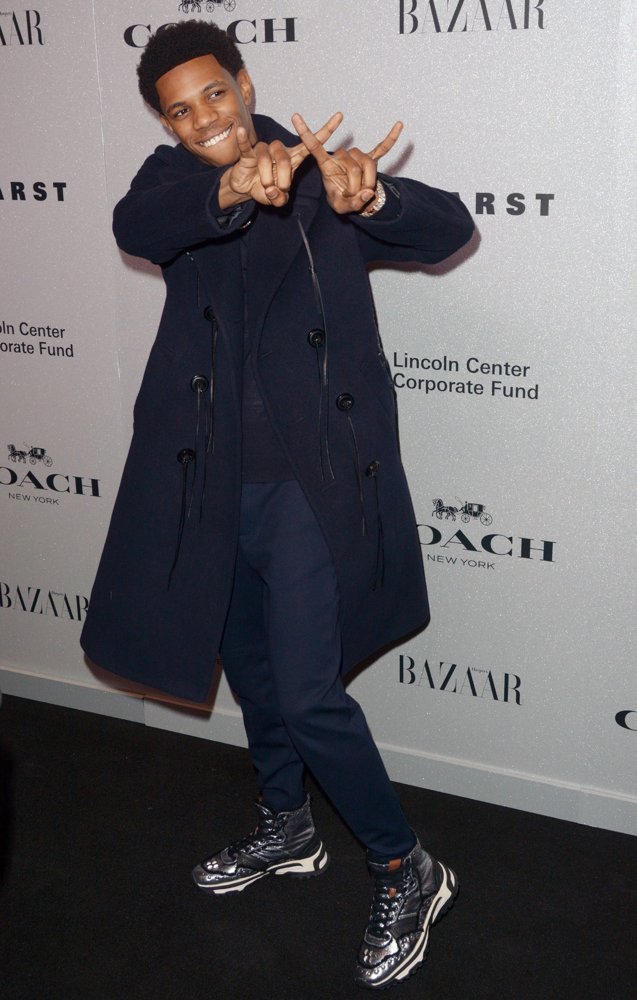
A Boogie Wit Da Hoodie
Lincoln Center Fashion Gala - An Evening Honoring Coach
Nov 29, 2018

A Boogie Wit Da Hoodie
STARZ Red Carpet Event for Power Final Season World Premiere
Aug 20, 2019

A Fine Frenzy
2016 CinemaCon Warner Bros Pictures - Day 2 - Red Carpet Arrivals
Apr 12, 2016

A Fine Frenzy
2016 CinemaCon Warner Bros Pictures - Day 2 - Red Carpet Arrivals
Apr 12, 2016

A Fine Frenzy
The 24th Annual Screen Actors Guild Awards - Arrivals
Jan 21, 2018





⭐Featured Celebrities