Fela Kuti stands as one of the most influential and fearless figures in modern music history, a Nigerian musician, bandleader, and political activist who created Afrobeat and used it as a weapon against oppression. Born Olufela Olusegun Oludotun Ransome-Kuti on October 15, 1938, in Abeokuta, British Nigeria, he was the son of Funmilayo Ransome-Kuti, a pioneering women's rights activist, and a Protestant minister. This upbringing in a politically conscious household shaped the trajectory of his life and art. He is widely regarded as the principal innovator of Afrobeat, a genre that fuses West African highlife and Yoruba rhythms with American funk and jazz, and at the height of his popularity he was described as one of Africa's most challenging and charismatic music performers. AllMusic called him a musical and sociopolitical voice of international significance.
After early experiences abroad, including studies at Trinity College of Music in London and a transformative trip to the United States in 1969 where he was exposed to the Black Power movement, Kuti returned to Nigeria with a renewed political consciousness. In the early 1970s, he and his band Africa '70, which featured drummer and musical director Tony Allen, shot to stardom across Nigeria. Their hypnotic grooves, extended jams, and Kuti's commanding vocals in a blend of English and Yoruba made albums like "Zombie," "Expensive Shit," and "Gentleman" landmarks of African music. In 1970, he founded the Kalakuta Republic commune, which declared itself independent from military rule and became a haven for artists and activists.
Kuti's outspoken criticism of Nigeria's military juntas made him a constant target. In 1977, a thousand soldiers raided the Kalakuta Republic, severely injuring Kuti, killing his mother by throwing her from a window, and destroying the commune. He responded with the searing album "Coffin for Head of State" and continued to perform despite relentless harassment. In 1984, he was jailed by the government of Muhammadu Buhari and held for 20 months before being released. Throughout the 1980s and 1990s, he continued to record and perform, releasing albums such as "Army Arrangement" and "Beasts of No Nation," and touring internationally with his band Egypt 80.
Kuti died on August 2, 1997, leaving behind a monumental legacy. Since his death, reissues and compilations of his music have been overseen by his son, Femi Kuti, who has carried the Afrobeat torch alongside his half-brother Seun Kuti. His influence extends across generations and genres, inspiring countless musicians worldwide. In 2026, Kuti was posthumously inducted into the Rock and Roll Hall of Fame in the early/musical influence category after two previous nominations, cementing his place among the most important musical and political voices of the twentieth century.
⭐
Similar Celebrities




📷
Recent Photos

Abigail Breslin
2021 Environmental Media Association Awards
Oct 16, 2021

Adam Driver
House of Gucci UK Premiere - Arrivals
Nov 9, 2021

Adam Driver
House of Gucci UK Premiere - Arrivals
Nov 9, 2021
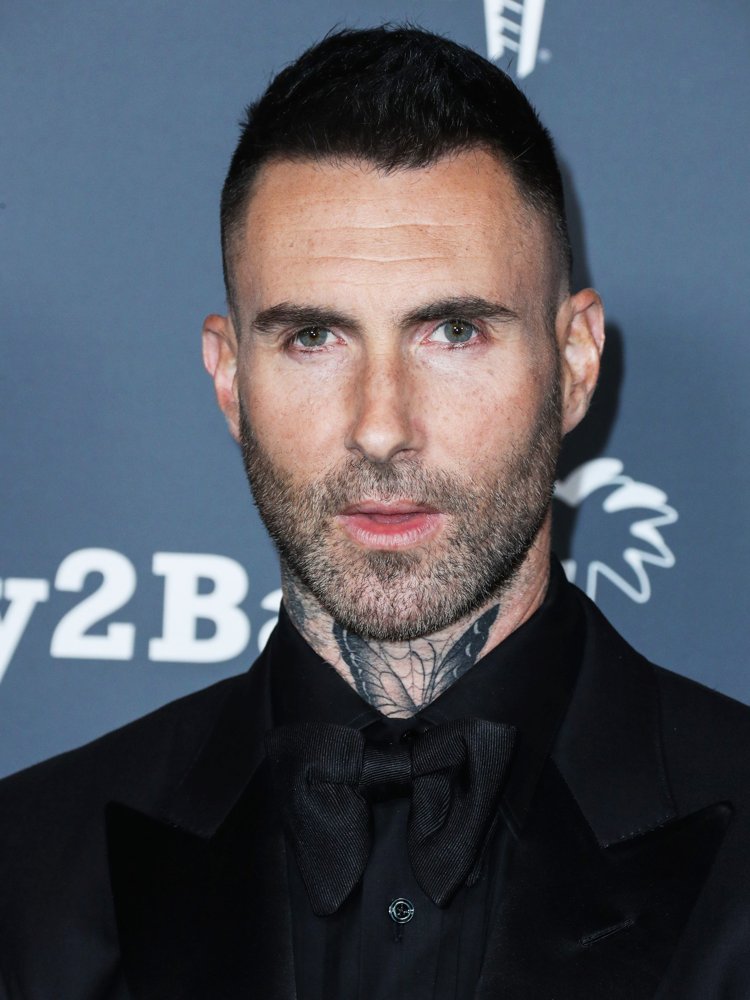
Adam Levine
Baby2Baby 10-Year Gala 2021
Nov 13, 2021

Adam Levine
Baby2Baby 10-Year Gala 2021
Nov 13, 2021

Addison Rae
The Fashion Awards 2021
Nov 29, 2021





⭐Featured Celebrities