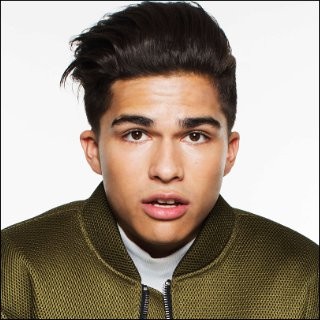
Emmanuel Bizimungu is a Rwandan political figure whose life and career are inextricably linked to one of the most turbulent and consequential periods in his nation's history. Born in Tambwe, in the Gitarama Province of Rwanda, Bizimungu's public identity is most prominently defined by his tenure as the second President of Rwanda, serving from 1994 until his resignation in 2000. His presidency marked the critical transition from the aftermath of the 1994 genocide to the early years of national reconstruction, a period that saw him work alongside the man who would eventually succeed him, Paul Kagame. As a Hutu politician, Bizimungu was a pivotal figure in the post-genocide government, tasked with bridging the deep ethnic divides that had shattered the country.
Bizimungu's path to the presidency was forged through his opposition to the genocidal regime of Juvénal Habyarimana. Prior to the civil war, he was a businessman who became increasingly critical of the government's ethnic policies. His political stance led him to align with the Rwandan Patriotic Front (RPF), the rebel force led by Paul Kagame that invaded Rwanda in 1990. Following the end of the genocide and the RPF's military victory in July 1994, Bizimungu was installed as President, with Kagame serving as Vice President and Minister of Defence. In this arrangement, Bizimungu was the public face of a government of national unity, while Kagame wielded significant control over the military and the country's security apparatus. During his tenure, Bizimungu worked to stabilize the country, overseeing the return of millions of refugees and the initial efforts to rebuild the nation's shattered institutions.
However, Bizimungu's relationship with the RPF and Paul Kagame deteriorated over time, marked by growing disagreements over policy and the direction of the country. In 2000, Bizimungu resigned from the presidency, an event widely attributed to pressure from the RPF after a falling out with its leadership. He was subsequently replaced by Kagame, who had served as the country's de facto leader for the preceding six years. Following his departure from office, Bizimungu's political career took a dramatic turn when he was arrested and imprisoned. He was convicted on charges of corruption and inciting ethnic violence, accusations that were met with skepticism from international human rights organizations, who viewed the trial as politically motivated and a means to silence a prominent opposition figure. He was later pardoned and released in 2007.
Today, Emmanuel Bizimungu remains a complex and controversial figure in Rwandan history. His legacy is a reflection of the arduous journey from genocide to reconciliation, a path fraught with political compromise and conflict. While his time in power was brief and ultimately ended in acrimony, his role as the first post-genocide president places him at a crucial juncture in his country's modern narrative. His story is one of a politician caught between the forces of ethnic division and the new order established by the RPF, a historical figure whose life continues to be examined by those seeking to understand the full scope of Rwanda's remarkable and painful recovery.
⭐
Similar Celebrities

📷
Recent Photos
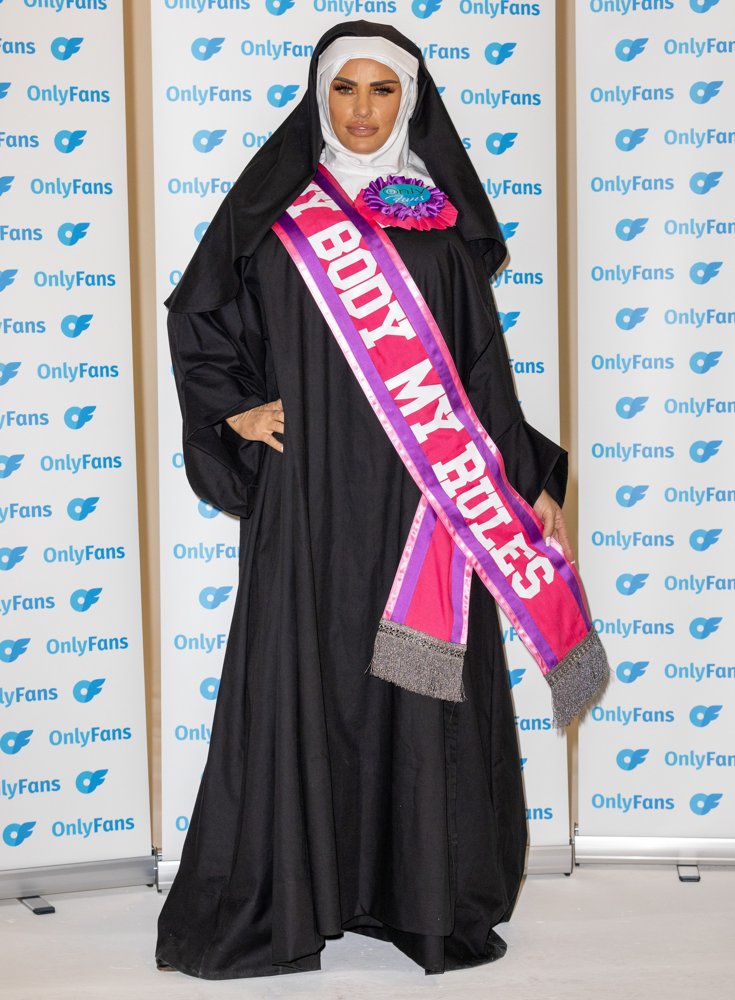
Katie Price
Katie Price Launches Only Fans Channel - Photocall
Jan 26, 2022
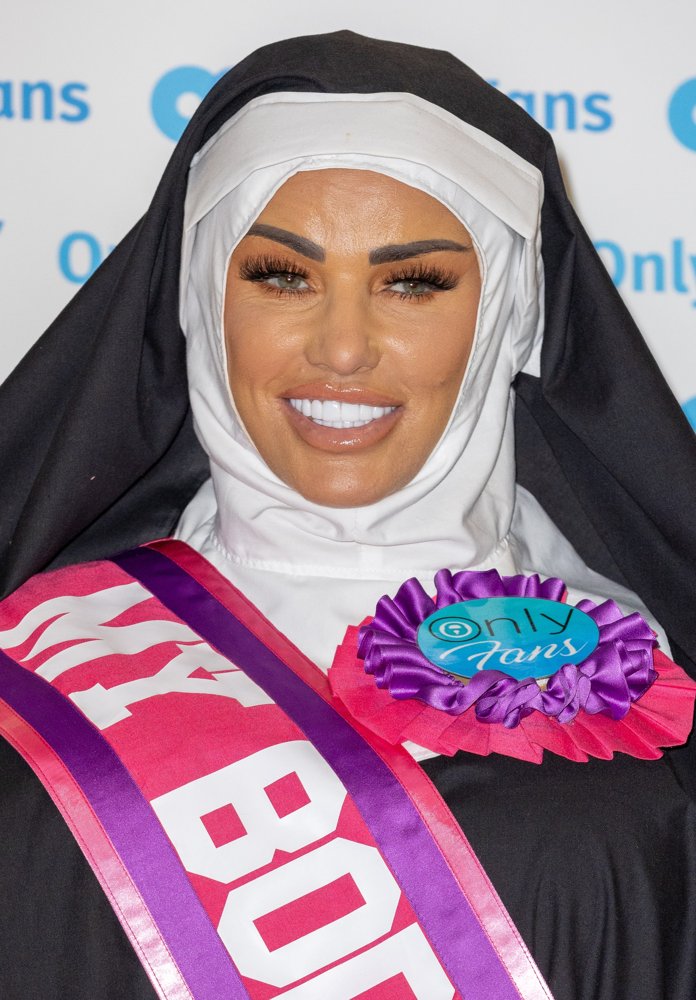
Katie Price
Katie Price Launches Only Fans Channel - Photocall
Jan 26, 2022
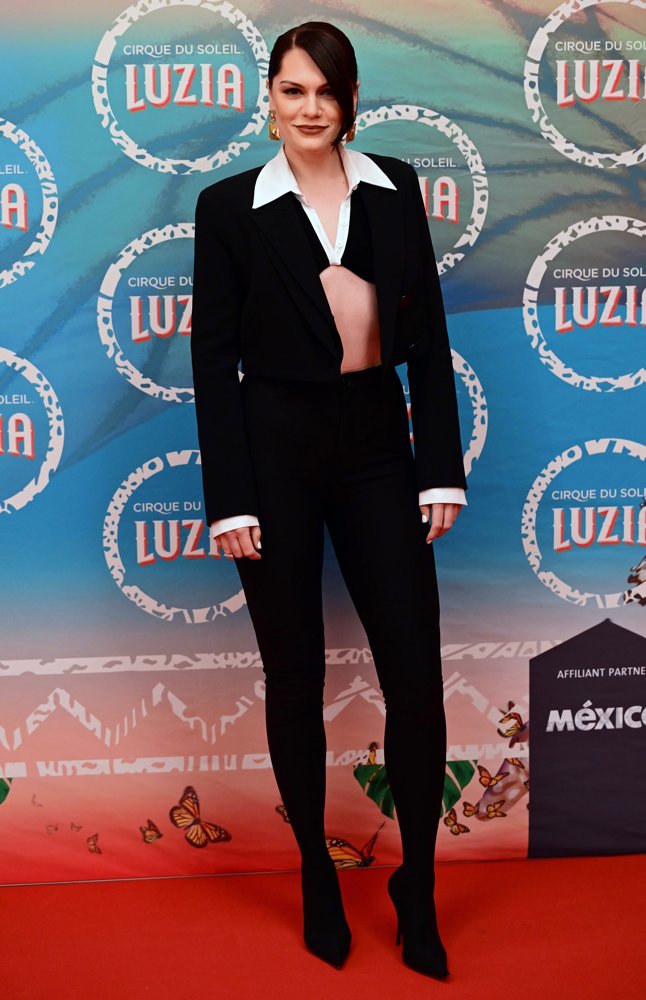
Jessie J
The Premiere of Cirque Du Soleil Luzia
Jan 13, 2022
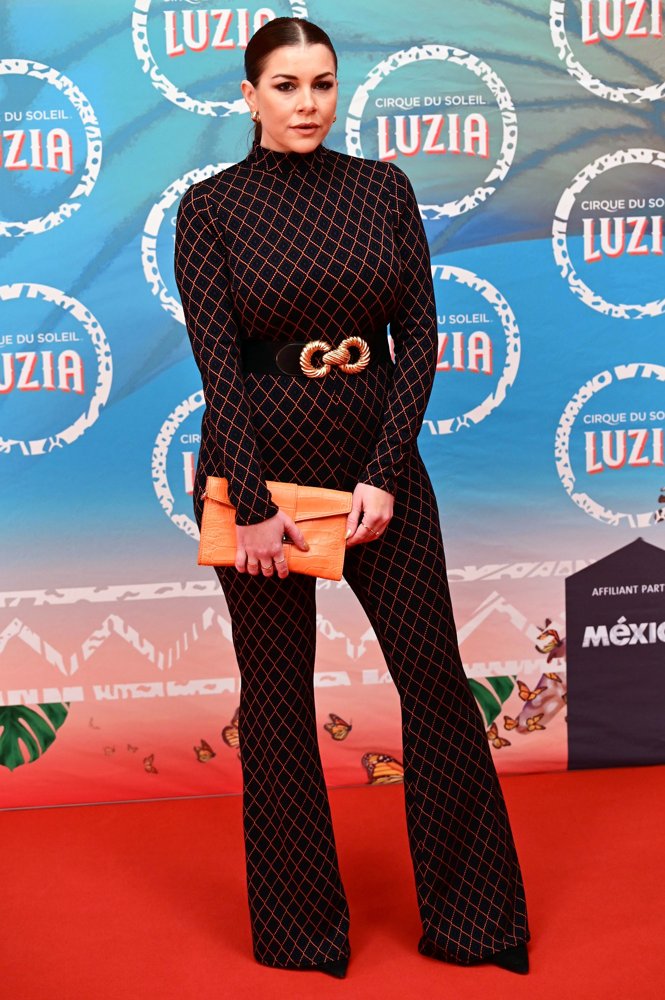
Imogen Thomas
The Premiere of Cirque Du Soleil Luzia
Jan 13, 2022
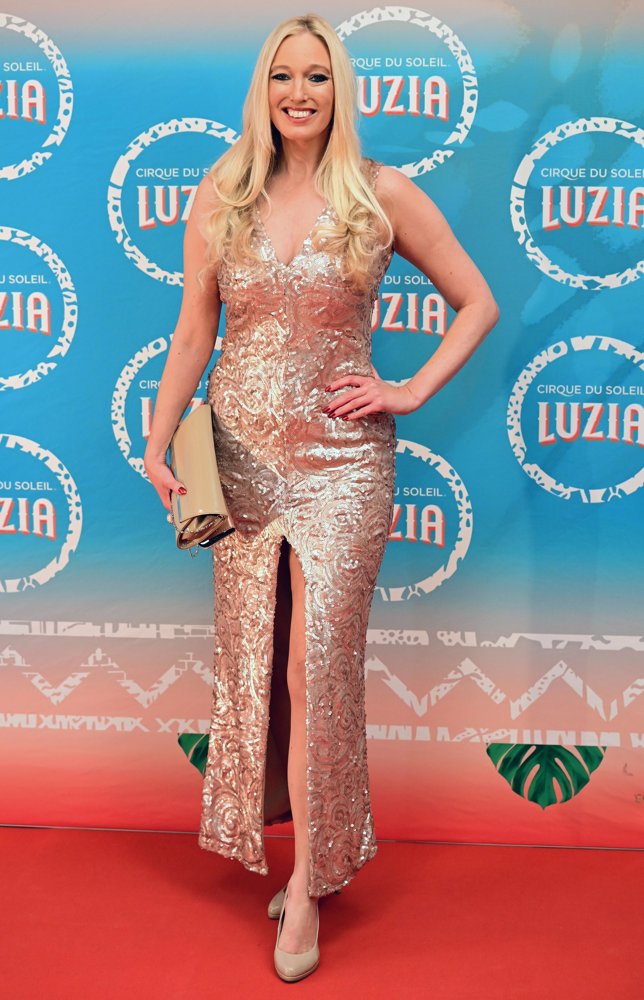
Hayley Palmer
The Premiere of Cirque Du Soleil Luzia
Jan 13, 2022

Phoenix Chi Gulzar
The Premiere of Cirque Du Soleil Luzia
Jan 13, 2022



⭐Featured Celebrities