Born Mary Isobel Catherine Bernadette O'Brien in West Hampstead, London, Dusty Springfield emerged as one of the most distinctive and influential voices in popular music, a career defined by her powerful mezzo-soprano, impeccable phrasing, and a fearless embrace of soul and pop. Rising to prominence during the Swinging Sixties, she became a transatlantic sensation, not only for her chart-topping hits but also for her iconic image—a striking combination of peroxide blonde bouffant hair, heavy eyeliner, and glamorous evening gowns that made her a visual symbol of the era. Her music, which masterfully blended blue-eyed soul, dramatic ballads, and pop, along with touches of French chanson, country, and jazz, cemented her legacy as a singular artist whose influence continues to resonate with generations of singers.
Springfield’s musical journey began in a family that cherished music, and she honed her vocal skills at home before joining her first professional group, the Lana Sisters, in 1958. Two years later, she formed the folk-pop trio the Springfields with her brother, Tom Springfield, and Tim Feild. The group enjoyed considerable success in the UK, scoring two top-five hits in 1963 with "Island of Dreams" and "Say I Won't Be There," and also breaking into the American market with their cover of "Silver Threads and Golden Needles." This early success laid the groundwork for her solo career, which launched in late 1963 with the upbeat and instantly memorable "I Only Want to Be with You," a UK number four hit and the first of her six transatlantic top 40 singles during the decade. This period produced a string of enduring classics, including "You Don't Have to Say You Love Me," which topped the UK charts and reached number four in the US, and the timeless "Son of a Preacher Man," which became her signature song and is featured on the seminal 1968 album Dusty in Memphis. In March 2020, the US Library of Congress added that album to the National Recording Registry, a testament to its enduring cultural and historical significance.
While her American hits like "Wishin' and Hopin'," "The Look of Love," and "The Windmills of Your Mind" solidified her international fame, Springfield also dominated the UK charts with a series of beloved singles that were less successful or unreleased in the US, including her celebrated interpretations of Burt Bacharach and Hal David's "I Just Don't Know What to Do with Myself," as well as "Goin' Back" and "I Close My Eyes and Count to Ten." Her visibility was further amplified by her constant presence on British television, where she presented numerous episodes of the influential music series Ready Steady Go! and hosted her own BBC and ITV specials between 1966 and 1969. In 1966, she topped the Melody Maker poll for "Best International Vocalist" and became the first UK singer to win the New Musical Express readers' poll for best female vocalist, cementing her status as a leading figure of the decade.
The 1970s and early 1980s proved to be a more challenging period for Springfield, as she struggled to replicate her earlier chart success with a series of album releases. However, her remarkable comeback in 1987, thanks to a collaboration with the UK synth-pop duo Pet Shop Boys on "What Have I Done to Deserve This?," brought her back to the top of the charts, reaching number two in both the UK and the US. The partnership continued to yield hits, including the 1989 UK top 20 singles "Nothing Has Been Proved" and "In Private," followed by "Reputation" in 1990, which became her final UK top 40 hit. Throughout her career, Springfield’s influence was recognized with inductions into the National Rhythm & Blues Hall of Fame, the Rock and Roll Hall of Fame, and the UK Music Hall of Fame. She passed away in 1999, but her legacy as one of the greatest female singers in popular music remains untarnished, with her recordings continuing to inspire and captivate audiences worldwide.
⭐
Similar Celebrities


📷
Recent Photos
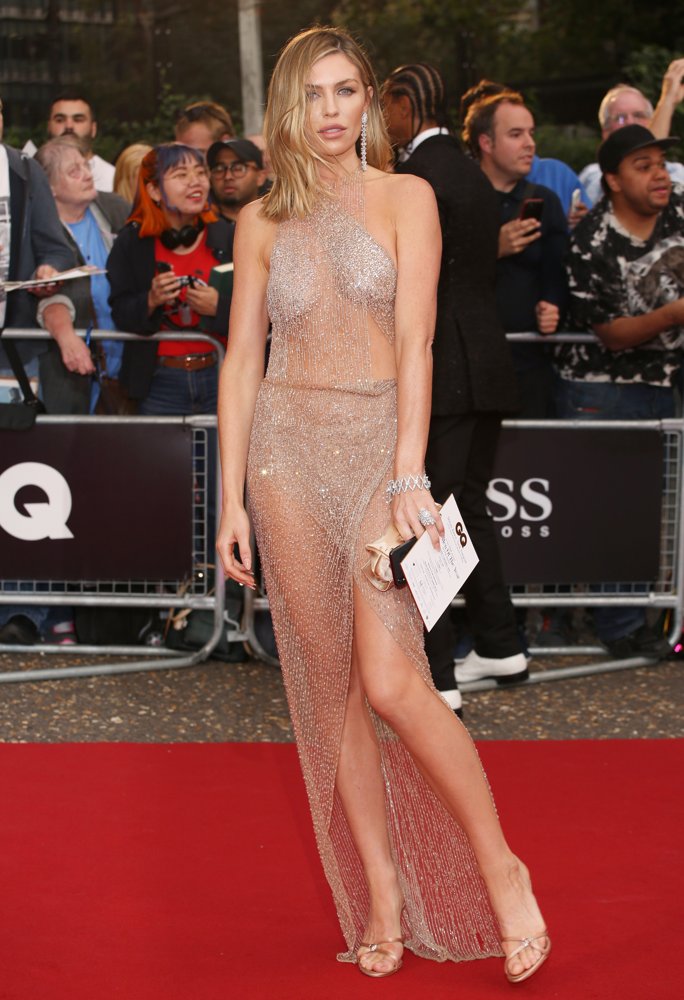
Abbey Clancy
GQ Men of The Year Awards 2018 - Arrivals
Sep 5, 2018
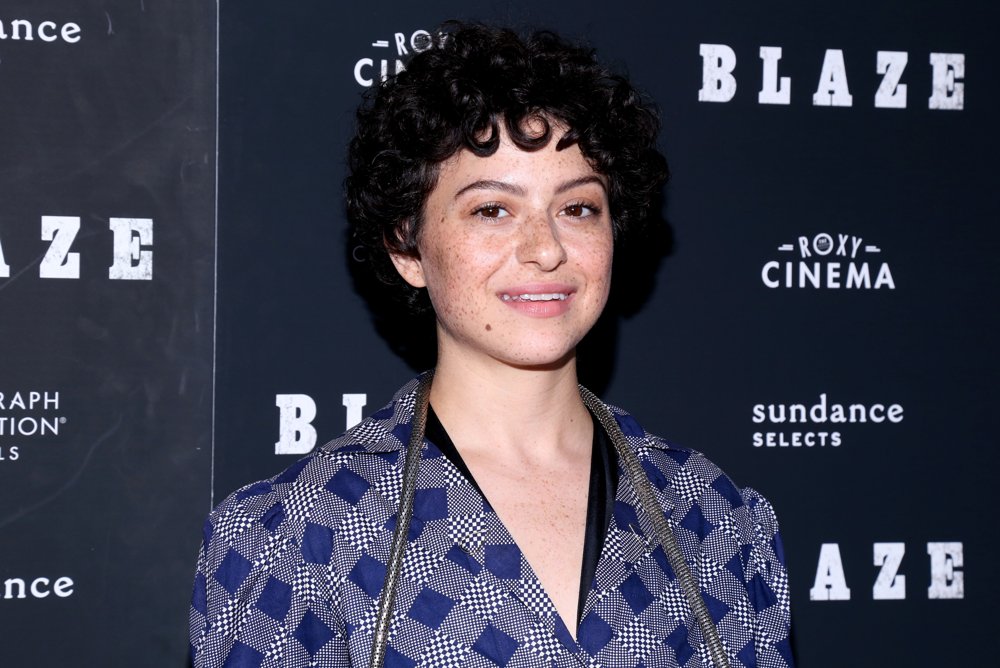
Alia Shawkat
New York Special Screening of Blaze - Arrivals
Sep 5, 2018

Alia Shawkat
New York Special Screening of Blaze - Arrivals
Sep 5, 2018
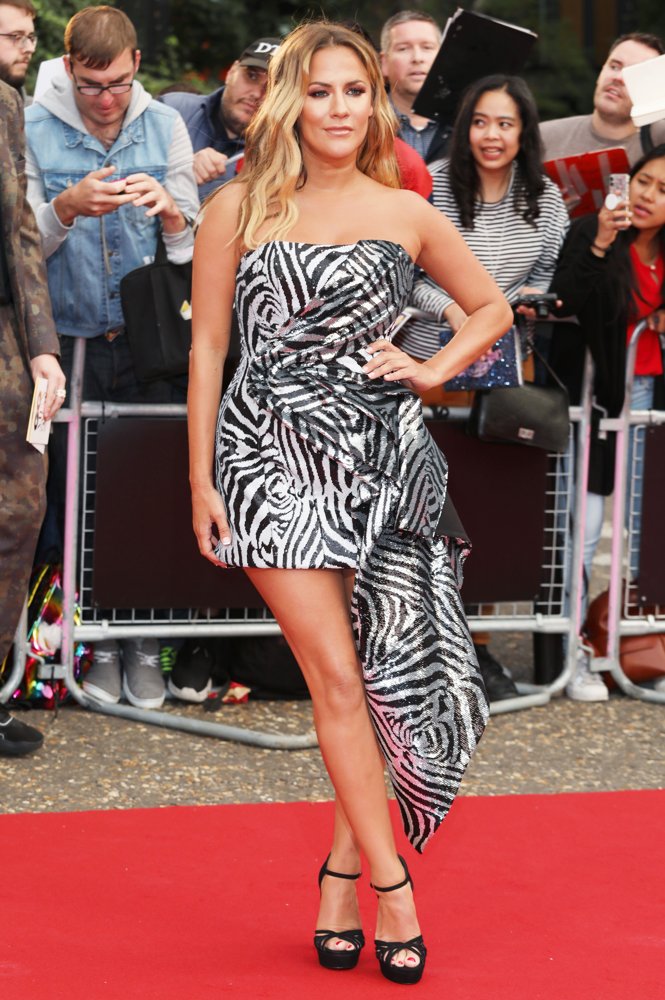
Caroline Flack
GQ Men of The Year Awards 2018 - Arrivals
Sep 5, 2018
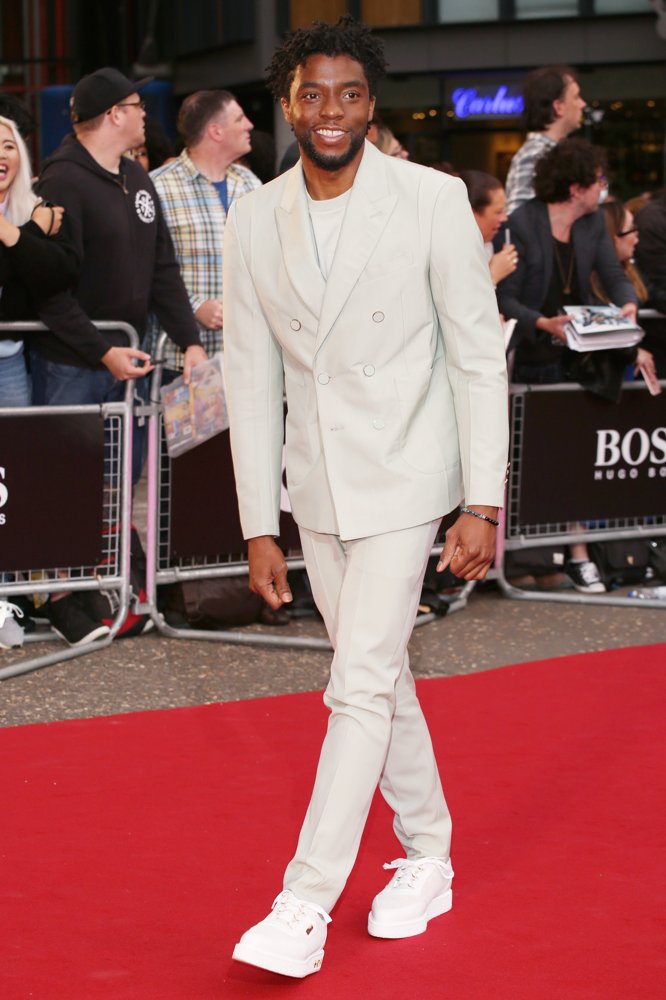
Chadwick Boseman
GQ Men of The Year Awards 2018 - Arrivals
Sep 5, 2018
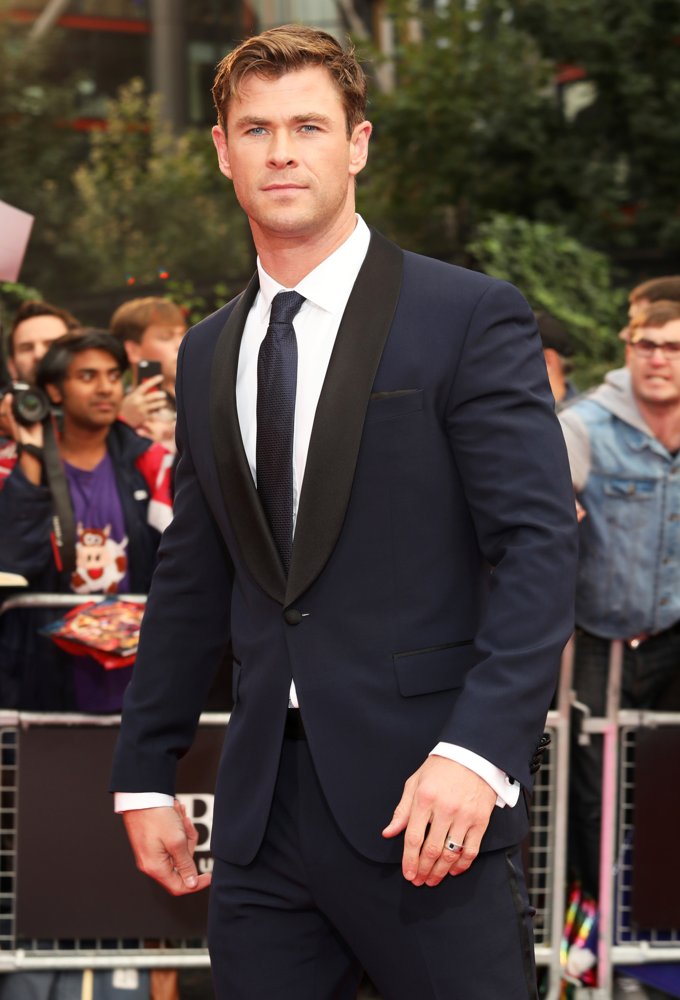
Chris Hemsworth
GQ Men of The Year Awards 2018 - Arrivals
Sep 5, 2018


⭐Featured Celebrities