Andy Warhol, born Andrew Warhola Jr. on August 6, 1928, in Pittsburgh, Pennsylvania, stands as one of the most influential and transformative figures in 20th-century art. Widely regarded as the most important artist of the second half of the century, Warhol’s career redefined the boundaries between commercial and fine art, and his work continues to shape contemporary culture decades after his death. As a leading force in the Pop art movement, he explored the intersections of advertising, consumerism, mass media, and celebrity, famously popularizing the notion of "15 minutes of fame" and turning mechanical reproduction into a signature aesthetic.
Born to working-class Rusyn immigrant parents, Warhol demonstrated artistic talent from a young age. He studied commercial art at the Carnegie Institute of Technology before moving to New York City, where he built a successful career as a commercial illustrator in the 1950s. His transition to fine art in the early 1960s marked a seismic shift in the art world. Using silkscreen printing techniques, Warhol created iconic works that blurred the line between mass production and artistic expression. Among his most celebrated early pieces are Campbell's Soup Can (1962), Marilyn Diptych (1962), and Coca-Cola (3) (1962), which elevated everyday objects and celebrity images into high art. His studio, the Factory, became a legendary hub of avant-garde experimentation, attracting a diverse circle of drag queens, poets, musicians, bohemians, and wealthy patrons who came to be known as Warhol superstars.
In the mid-1960s, Warhol turned his attention to filmmaking, producing a series of experimental and underground films that challenged conventional narrative and cinematic form. Works such as Blow Job (1964) and Empire (1965) were followed by more ambitious projects like Chelsea Girls (1966), Four Stars (1967), and Blue Movie (1969). These films featured a rotating cast of personalities from his Factory circle and solidified his reputation as a boundary-pushing filmmaker. Warhol also managed the influential rock band the Velvet Underground, who performed at his Exploding Plastic Inevitable multimedia events from 1966 to 1967, further cementing his role as a cultural catalyst.
Surviving an assassination attempt in 1968, Warhol entered a new phase of his career, transforming the Factory into a more business-oriented enterprise. He founded Interview magazine, produced the play Pork (1971), and authored several books, including The Philosophy of Andy Warhol (1975) and Popism (1980). During this period, he executed major painting series such as Mao (1972–73), Athletes (1977), and Last Supper (1986), alongside commissioned portraits of wealthy socialites and celebrities. He also expanded into television with Andy Warhol's TV (1980–83) and Andy Warhol's Fifteen Minutes (1985–87), documenting his social life through photography and daily tape recordings that were later published posthumously as The Andy Warhol Diaries (1989). Warhol died on February 22, 1987, of cardiac arrhythmia following gallbladder surgery, but his legacy endures as a "bellwether of the art market." His works have fetched record-breaking prices, including $105 million for Silver Car Crash (Double Disaster) in 2013 and $195 million for Shot Sage Blue Marilyn in 2022, the highest auction price ever paid for a work by an American artist. The Andy Warhol Museum in Pittsburgh, the largest single-artist museum in the United States, preserves his extensive archive and continues to celebrate his enduring impact.
⭐
Similar Celebrities

📷
Recent Photos
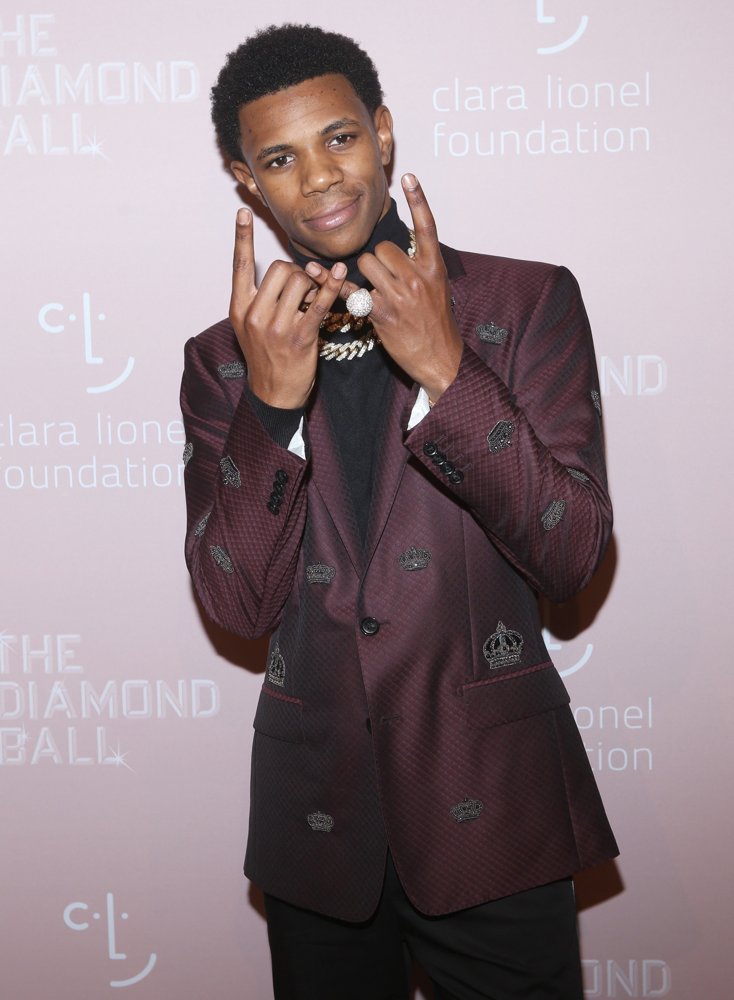
A Boogie Wit Da Hoodie
Rihanna's 4th Annual Diamond Ball
Sep 13, 2018
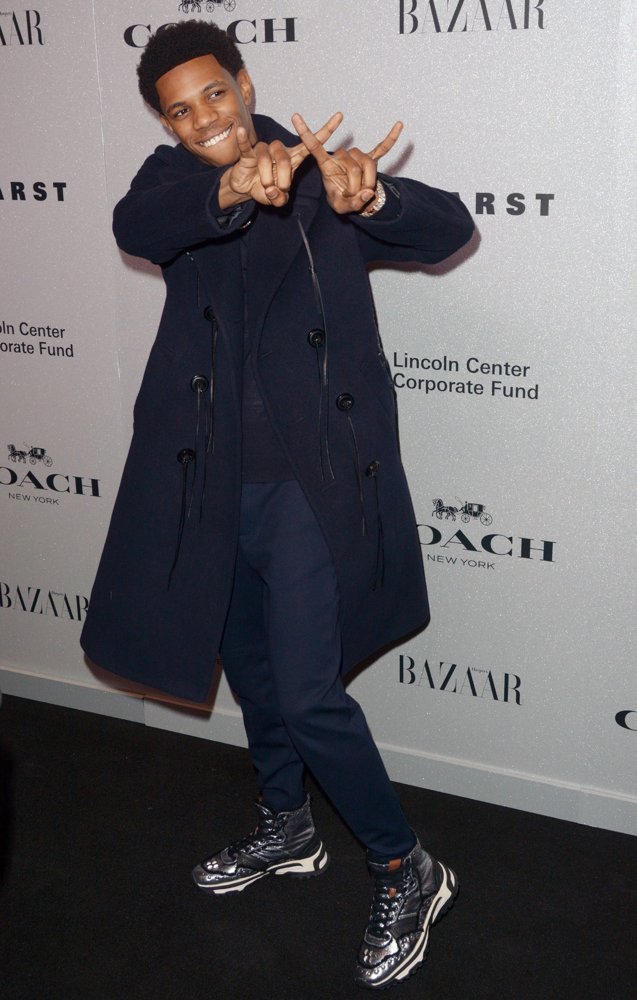
A Boogie Wit Da Hoodie
Lincoln Center Fashion Gala - An Evening Honoring Coach
Nov 29, 2018
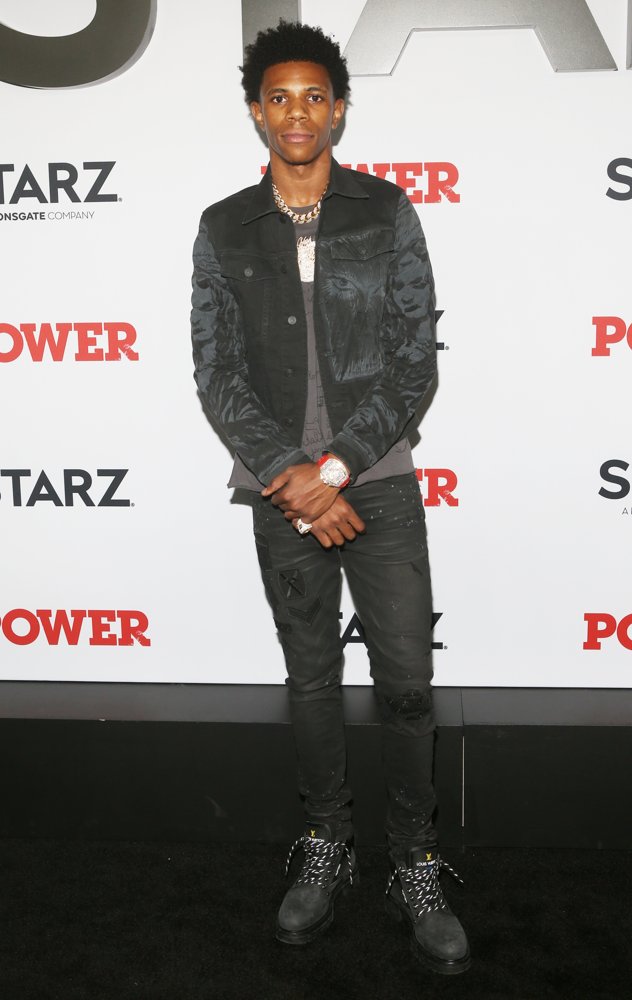
A Boogie Wit Da Hoodie
STARZ Red Carpet Event for Power Final Season World Premiere
Aug 20, 2019

A Fine Frenzy
The 24th Annual Screen Actors Guild Awards - Arrivals
Jan 21, 2018
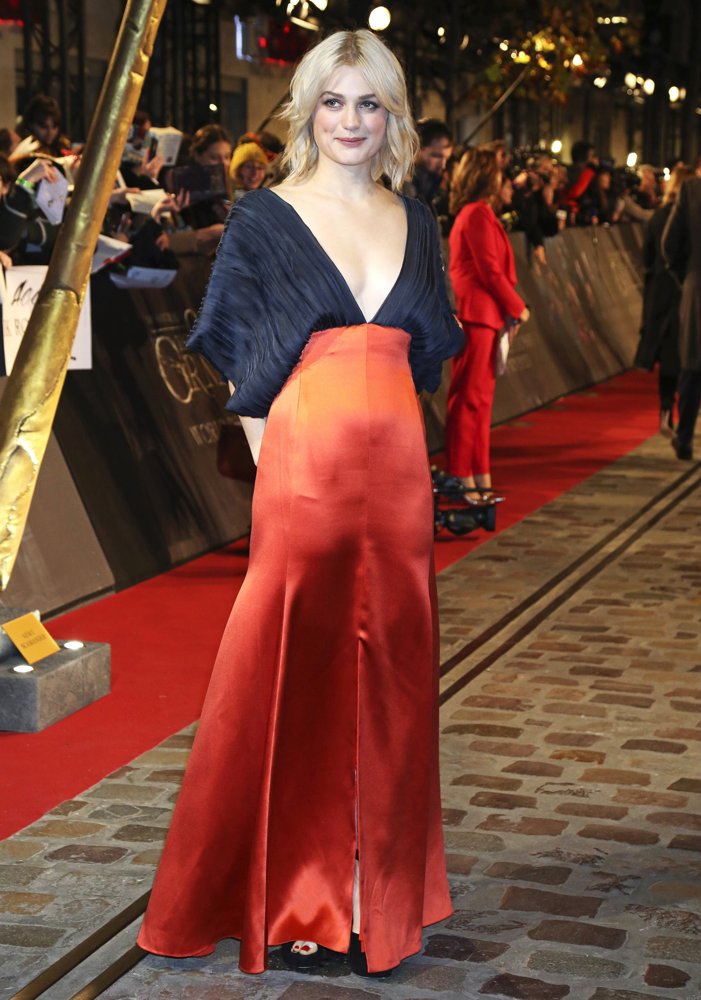
A Fine Frenzy
World Premiere of Fantastic Beasts: The Crimes of Grindelwald - Arrivals
Nov 8, 2018
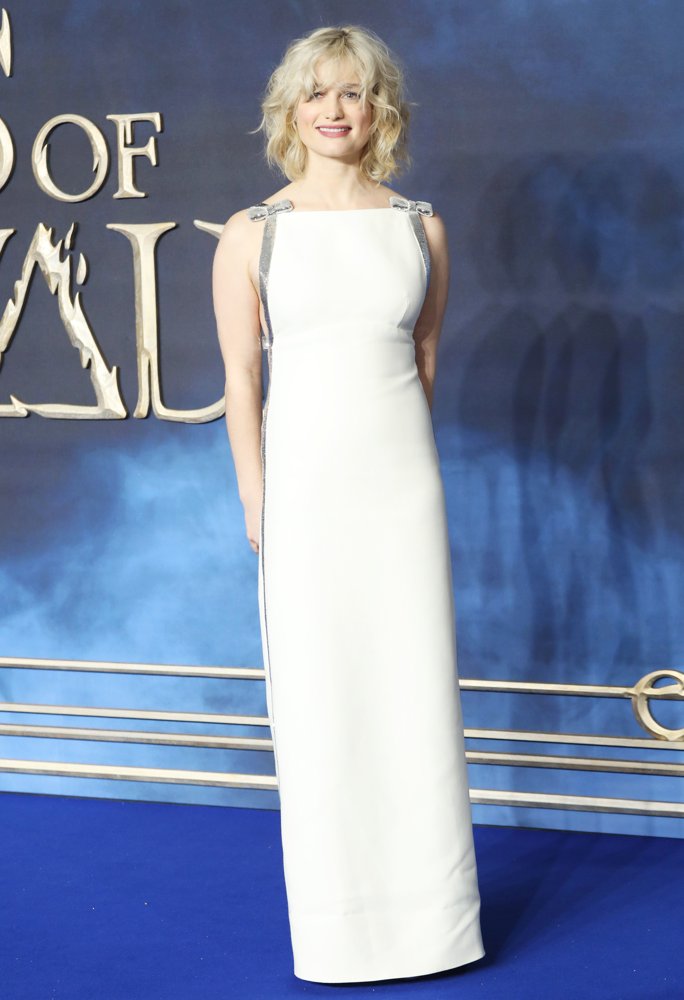
A Fine Frenzy
The UK Premiere of Fantastic Beasts: The Crimes of Grindelwald - Arrivals
Nov 13, 2018

⭐Featured Celebrities