The Mandalorian & Grogu film revives classic Star Wars filmmaking. Favreau reveals the return of original trilogy tech & props. First Star Wars movie in 7 ye...
- April 19, 2026
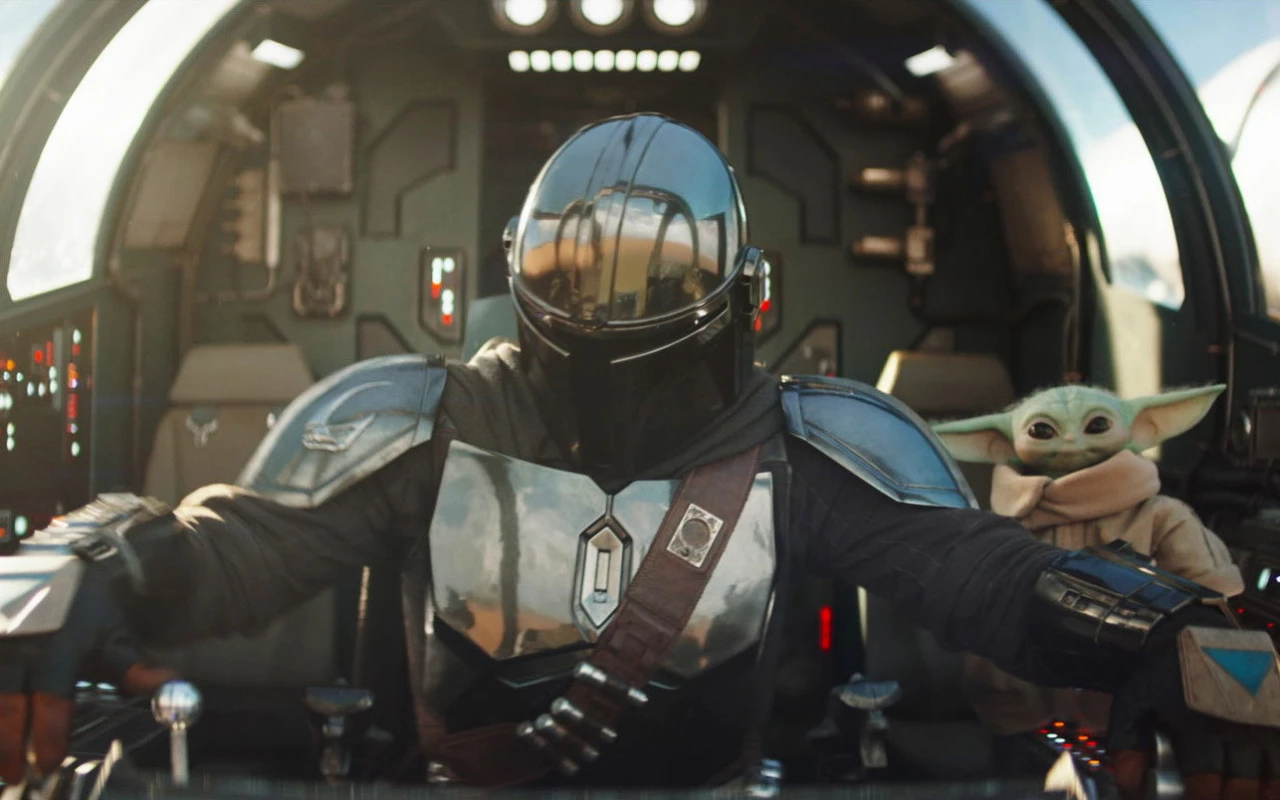
AceShowbiz - The Mandalorian and Grogu represents a significant return to a beloved Star Wars filmmaking technique, as confirmed by director and co-writer Jon Favreau. The film, continuing the story from the popular Disney+ series The Mandalorian, marks the first Star Wars movie to hit theaters in seven years since Star Wars: The Rise of Skywalker concluded the Skywalker Saga.
In a special press event attended by ScreenRant’s Ash Crossan, Jon Favreau shed light on the film’s production design and effects. He revealed that many props on display included pieces from Legacy Effects and elements from the show Skeleton Crew, all gathered in one place to showcase the breadth of artistic collaboration over the years. Among the items were familiar pieces like the Razor Crest cockpit from the TV series, Din’s modified N1 starfighter, and even Boba Fett’s throne.
Most notably, Jon Favreau highlighted the revival of a key piece of Star Wars technology from the original trilogy: the Dykstraflex motion-control miniature rig. This system, originally created by John Dykstra for George Lucas’s first trilogy, was used to capture complex spaceship shots. The film repurposes a part of John Knoll’s version of the Dykstraflex, specifically a half-moon rig featuring the Razor Crest model. Initially built as a lighting reference, this rig was adapted to shoot sequences for the early seasons of The Mandalorian and is now reintroduced with more extensive use in the new movie.
Jon Favreau explained that while the Star Wars franchise shifted toward bluescreen technology and digital effects during the prequel trilogy, and later embraced cutting-edge virtual production techniques like ILM’s The Volume stage, the team behind The Mandalorian and Grogu had the time and expertise to revisit the Dykstraflex method. They even collaborated with veteran ILM artist John Goodson to build a larger Razor Crest model for filming, blending traditional model work with modern filmmaking techniques.
“If you’re a film geek like me, that’s really exciting,” Jon Favreau noted, acknowledging that while some viewers may not consciously notice these practical effects, they are crucial to the film’s feel and authenticity. The production also featured stop-motion models by Phil Tippett, further emphasizing the blend of classic and contemporary effects in the movie. Having years instead of just one allowed the team to achieve a quality that appeals both to longtime fans and new audiences seeking an entertaining cinematic experience.
Lucasfilm’s decision to reintegrate practical effects, such as those pioneered during the original Star Wars trilogy, follows a broader trend within the franchise to balance digital and physical effects. For example, Rian Johnson’s Star Wars: The Last Jedi set a franchise record by using over 200 practical creatures, including a puppeted Yoda for his Force ghost appearance. Similarly, Jon Favreau championed practical effects in creating Grogu (popularly known as Baby Yoda) for the series and the new film.
Despite this return to practical effects, Jon Favreau has not abandoned modern visual effects entirely. The new film uses CGI to bring to life Rotta and other Hutts, contrasting with the practical Jabba the Hutt of the original trilogy. The trailers also showcase scenes utilizing advanced visual technology, illustrating a careful balance between old and new filmmaking methods.
With a reported budget lower than any Star Wars movie since 2005’s Star Wars: Revenge of the Sith, the film’s practical approach might influence Lucasfilm’s future projects. The success of blending classic techniques like the Dykstraflex with contemporary VFX could encourage other filmmakers in the franchise to pursue similar strategies, potentially reshaping the visual style of forthcoming Star Wars productions.
In summary, The Mandalorian and Grogu stands as a bridge between Star Wars’ storied past and its innovative future. By reviving a classic filming rig and integrating practical effects alongside modern technology, Jon Favreau and his team have crafted a film that honors the original trilogy’s legacy while appealing to today’s audiences. The movie is scheduled for release on May 22, 2026, and is highly anticipated by fans eager to see this blend of old and new Star Wars magic on the big screen once more.