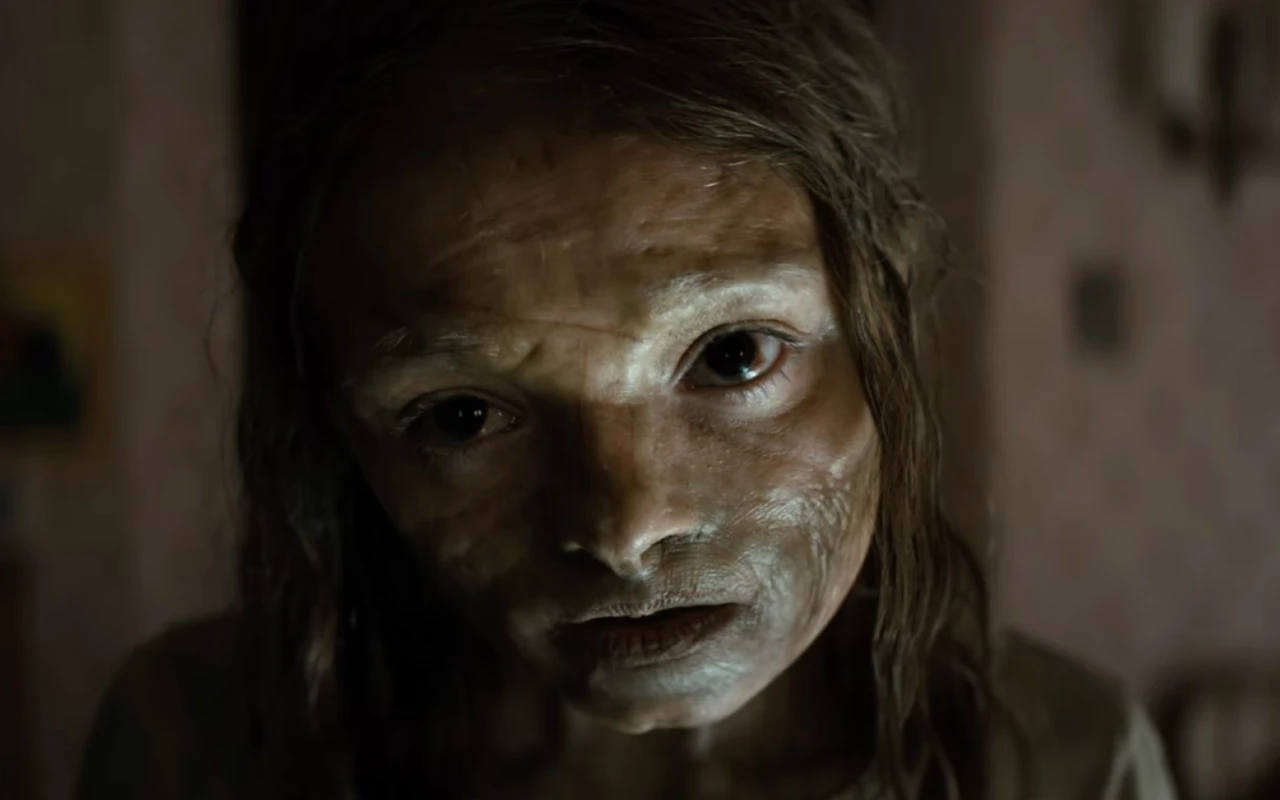
From Karloff to Cruise, discover why the 1999 Mummy reigns supreme and explore the two new films reviving the franchise.
- March 23, 2026
AceShowbiz - When you think of The Mummy, several images may come to mind. Some might recall the 1932 classic starring Boris Karloff that helped define Universal’s iconic monster lineup. Others may think of the 2017 reboot featuring Tom Cruise, a film notorious for halting Universal’s ambitious “Dark Universe” of monster films before it could truly begin. However, for most fans, the 1999 Brendan Fraser and Rachel Weisz adaptation remains the definitive version, blending atmospheric horror with thrilling adventure to create a lasting hit that Hollywood continues to celebrate.
Looking ahead, there are two distinct The Mummy projects on the horizon. One is a Blumhouse reimagining slated for release later this year, and the other is The Mummy 4, expected in 2028, which will bring back Fraser and Weisz in their beloved roles. Interestingly, the upcoming Blumhouse film has had to relinquish the simple title The Mummy, instead adopting the name Lee Cronin’s The Mummy. This subtle change does more than just differentiate it from the established franchise—it signals a broader shift in how Hollywood approaches such titles and the creative forces behind them.
At first glance, naming a horror movie after its director might seem unusual, especially when the filmmaker isn’t a household name. Lee Cronin is best known for his 2023 film Evil Dead Rise, a strong addition to a cult franchise that boosted the series’ profile rather than his own. He is far from a widely recognized auteur like John Carpenter, so including his name in the title isn’t about star power or name recognition. Instead, it highlights the unique creative vision shaping this version of The Mummy.
The new trailer for Lee Cronin’s The Mummy notably avoids leaning on Cronin’s past works to attract viewers. Instead, it promotes the film as coming from the studio behind Weapons, a more recent and commercially successful title. This marketing choice makes sense, as it emphasizes the studio’s stronger brand recognition. Yet, for those familiar with Cronin’s style, clues in the trailer hint at a continuity of his signature approach to horror—one that involves visceral body horror elements reminiscent of his previous work, including memorable, unsettling imagery like the use of a cheese grater.
By attaching Cronin’s name to the film, the studio is making a clear statement: this is a distinct, author-driven take on The Mummy. You may not know who Cronin is yet, but the title promises a fresh, unique interpretation that sets it apart from prior entries. Based on the unsettling and intense trailer, this new film appears ready to deliver on that promise, offering a different horror experience that fans of the franchise and the genre can anticipate.
This approach marks a positive development for the industry, reflecting a growing trend where audiences connect not just with franchises or studios, but with individual filmmakers. Over the past two decades, big franchises dominated the box office, often overshadowing distinct directorial voices. However, recent successes like Oppenheimer and Sinners have reinvigorated interest in experiencing movies as the directors intended, showcasing a desire for more personalized storytelling in cinema.
Lee Cronin’s The Mummy is a clear example of this shift. Hollywood recognizes that audiences value a singular creative vision, even when dealing with well-known intellectual properties. If the film performs well at the box office, it could elevate Cronin’s status among moviegoers and encourage studios to follow suit—highlighting directors’ contributions more prominently in marketing and titles.
This could pave the way for other filmmakers to receive similar treatment. Future horror and genre films might carry the names of their directors upfront, such as potential projects like Zach Cregger’s Resident Evil, Robert Eggers’ Werwulf, or Greta Gerwig’s Narnia. The hope is that this trend will help lesser-known filmmakers gain broader recognition, turning their names into draws just as much as the IPs they work with.
In summary, the decision to retitle the upcoming Blumhouse movie as Lee Cronin’s The Mummy is more than a marketing tactic. It signals a significant change in how Hollywood values and promotes creative vision within franchise filmmaking. This is a move toward auteur-driven horror that respects and showcases the unique contributions of directors, offering audiences a promise of originality in familiar stories.
With a release date set for April 17, 2026, Lee Cronin’s The Mummy comes backed by producers Jason Blum, James Wan, and John Keville, further emphasizing its serious pedigree in the horror realm. The cast includes Jack Reynor, Laia Costa, May Calamawy, and Billie Roy, rounding out a promising lineup to bring this new vision to life.
For fans of the genre and the franchise, this new film’s title change signals that something different is coming—an exciting, director-driven horror experience that could set a new standard for future adaptations and horror cinema overall.