Paramount acquires Warner Bros. Discovery, merging HBO Max & Paramount+, uniting historic film studios and rivals HBO & Showtime.
- March 11, 2026
AceShowbiz - Since the announcement last Friday that Paramount has agreed to acquire Warner Bros. Discovery (WBD), industry observers have focused on the massive consolidation of streaming platforms, film studios, and television production companies. Central to the merger is the combining of two dominant streaming services, HBO Max and Paramount+, which Paramount CEO David Ellison revealed will eventually merge into a single platform. Additionally, this deal brings together the film studios Warner Bros. and Paramount, the television studios Warner Bros. Television and CBS Studios, and historic studio lots under one corporate umbrella.
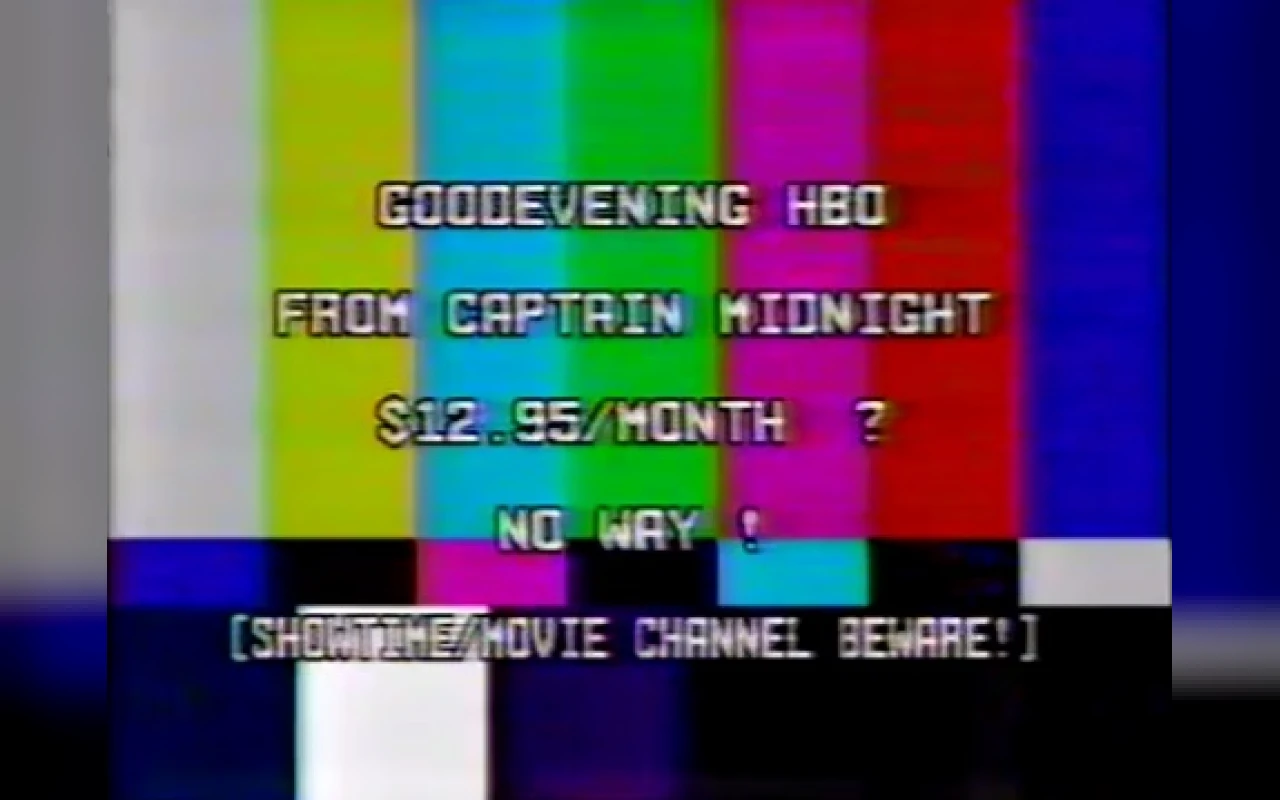
Despite the scale of this merger, one significant detail has flown under the radar: the acquisition will also unite WBD's HBO and Paramount's Showtime premium cable networks, two long-standing rivals in the pay TV space. This aspect has received limited attention, mainly because Showtime has experienced a notable decline in prominence under Paramount’s recent leadership.
To illustrate the shifting fortunes of these networks, consider that while WBD reinstated the iconic "HBO" brand in its streaming service name last May, Paramount made the opposite move a month later by dropping "Showtime" from the name of its highest subscription tier, rebranding it from Paramount+ With Showtime to Paramount Premium. This contrast highlights how the perceived value of the two brands has diverged.
One industry veteran who has closely followed the dynamic between HBO and Showtime is Robert Greenblatt, who has held executive roles at both networks. Speaking to Deadline, Greenblatt expressed his satisfaction at the networks coming together under one company after years of rivalry. He reflected on how the competition was intense at times but ultimately contributed positively to the television landscape.
Greenblatt’s connection to both networks runs deep. When he was executive producing HBO’s Emmy-nominated drama Six Feet Under in 2003, he was recruited to become President of Entertainment at Showtime, a position he held for seven years before moving on to chair NBC Entertainment. Early in his tenure at Showtime, Greenblatt acknowledged that some at HBO viewed him warily due to the competitive tension between the networks. However, he relished the challenge of strengthening Showtime and pushing HBO creatively and commercially during that era.
Before the rise of streaming giants like Netflix, HBO and Showtime dominated the premium original programming sector, often engaging in a fierce rivalry for critical acclaim and Emmy awards. Under Greenblatt and his successor David Nevins, Showtime grew substantially from its more modest beginnings to seriously challenge HBO’s supremacy. This head-to-head competition was evident in their Emmy battles, with HBO’s hits such as The Sopranos and Game of Thrones going up against Showtime’s Dexter and Homeland.
However, over time, the paths of these two networks began to diverge. HBO continued to thrive and maintain its reputation as the gold standard for television programming. Greenblatt, who was appointed chairman of AT&T-owned WarnerMedia Entertainment in March 2019, took pride in overseeing HBO and launching the HBO Max streaming service in May 2020, emphasizing the unmatched value of the HBO brand.
Brand strength was a key reason why buyers showed keen interest in WBD, with many wondering what the future held for HBO following the Paramount acquisition. Ellison addressed these concerns directly, affirming that “HBO should stay HBO” and praising the leadership of Casey Bloys, Chairman and CEO of HBO and HBO Max Content. Ellison assured that HBO would continue to operate with a degree of independence, allowing it to preserve the qualities that made it successful.
Currently, HBO's slate of popular and critically acclaimed series includes House of the Dragon, A Knight of the Seven Kingdoms, The White Lotus, The Last of Us, and The Gilded Age. Greenblatt remains involved with HBO as an executive producer on The Gilded Age, a period drama he initially developed during his time at Showtime and later at NBC before it landed at HBO.
Meanwhile, Showtime’s programming slate features the revival of Dexter with Resurrection, the spy drama The Agency: Central Intelligence, and the concluding seasons of The Chi and the Emmy-nominated Yellowjackets. It is worth noting that Showtime could have separated from Paramount in 2023 if then-CEO Bob Bakish had accepted a $3 billion unsolicited bid from David Nevins, supported by private equity investors.
Despite the shift toward streaming, both HBO and Showtime maintain profitable linear cable channels with lucrative carriage agreements, reaching millions of subscribers monthly. This means that, following the merger, original programming from both networks will coexist on the future combined streaming platform, and their traditional linear channels could be bundled together by Paramount to strengthen negotiating power with cable, satellite, and other multichannel video programming distributors (MVPDs). Such a move would be a fitting conclusion to the brands’ long-standing rivalry.
Greenblatt commented on the irony of the situation, noting that the once fierce competition between the networks, often likened to a David and Goliath battle, will now transform into collaboration under the same corporate roof. Although Showtime is not as prominent as it once was, Greenblatt expressed hope for HBO’s continued success amid ongoing industry consolidation.
In summary, the merger between Paramount and Warner Bros. Discovery is set to reshape the premium television landscape by bringing together two of the most influential brands in pay TV history, HBO and Showtime. This union marks the end of an era of intense competition and the beginning of a new phase where these storied networks will collaborate and coexist, both on streaming platforms and traditional cable channels, under one corporate entity.