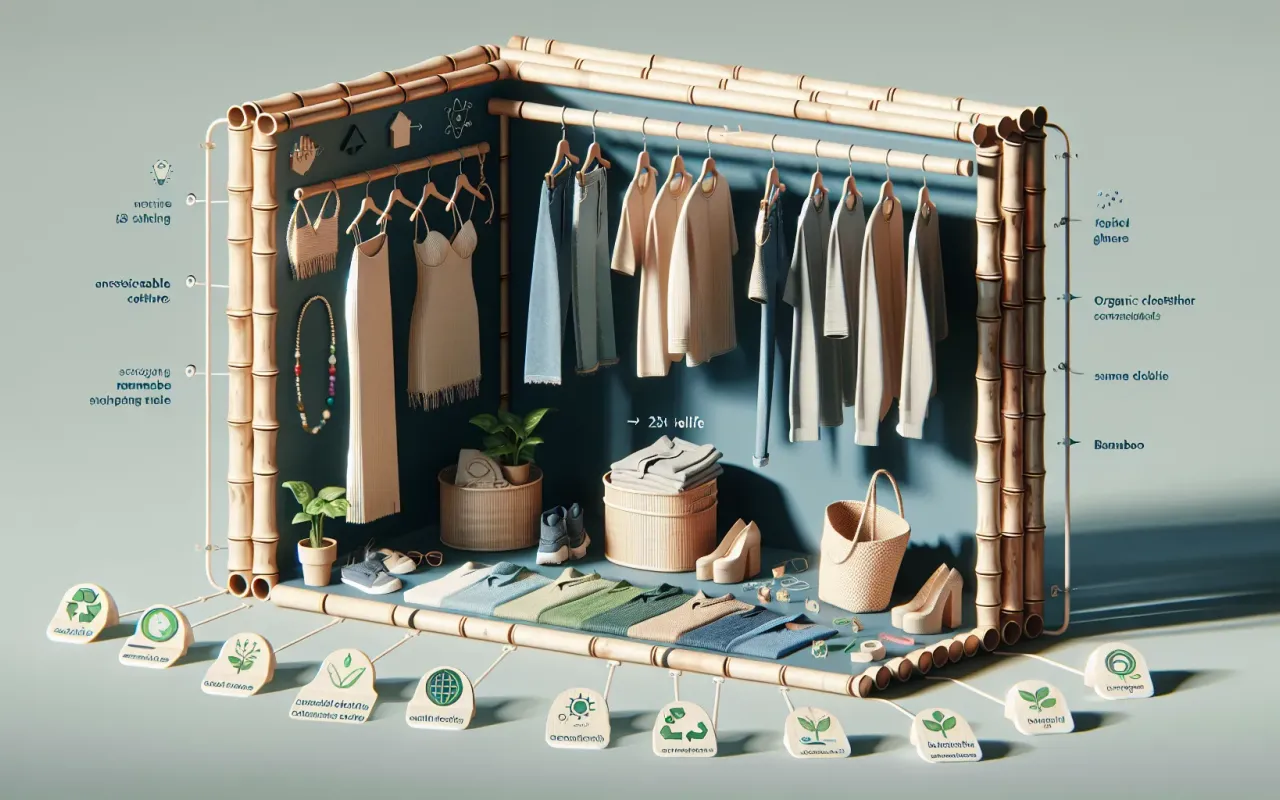
Learn how to create a sustainable wardrobe with our comprehensive guide. Discover eco-friendly fashion tips, ethical brands, and sustainable shopping practices.
- October 26, 2024
As awareness about environmental issues grows, more people are seeking ways to live sustainably. One significant area where you can make a difference is your wardrobe. Fast fashion contributes heavily to pollution and waste, but by creating a sustainable wardrobe, you can minimize your environmental footprint and support ethical practices. In this guide, we'll explore practical steps to help you build a sustainable wardrobe that is both stylish and eco-friendly.
Assessing Your Current Wardrobe
Understanding what you already own is the first step toward a sustainable wardrobe.
1. Conduct a Wardrobe Audit
Start by going through your clothing. Separate items into categories: keep, repair, donate, and recycle. This process helps you see the extent of your consumption and identifies items you no longer need.
2. Identify Your Style
Knowing your personal style will prevent impulse purchases. Identify the types of clothing you love to wear and tend to use frequently. This can guide your future purchases toward pieces that you'll truly value and wear often.
Choosing Sustainable Materials
1. Opt for Natural Fibers
Materials like organic cotton, linen, and wool are renewable and biodegradable. They require fewer chemicals during production and contribute to reduced environmental impact.
2. Explore Innovative Fabrics
Sustainable fashion includes the use of innovative fabrics such as Tencel, made from sustainably harvested wood pulp, and recycled materials like recycled polyester.
Shopping Smart
1. Research Brands
Support brands that are transparent about their manufacturing processes and are committed to sustainability. Look for certifications like Fair Trade, GOTS (Global Organic Textile Standard), and B Corp.
2. Quality Over Quantity
Invest in well-made pieces that will last longer rather than fast fashion items that wear out quickly. A minimalist approach can not only save resources but also simplify your wardrobe choices.
Embracing Second-Hand Fashion
1. Thrift Shopping
Thrift stores are treasure troves for unique and affordable fashion. Buying second-hand reduces waste and the demand for new clothing production.