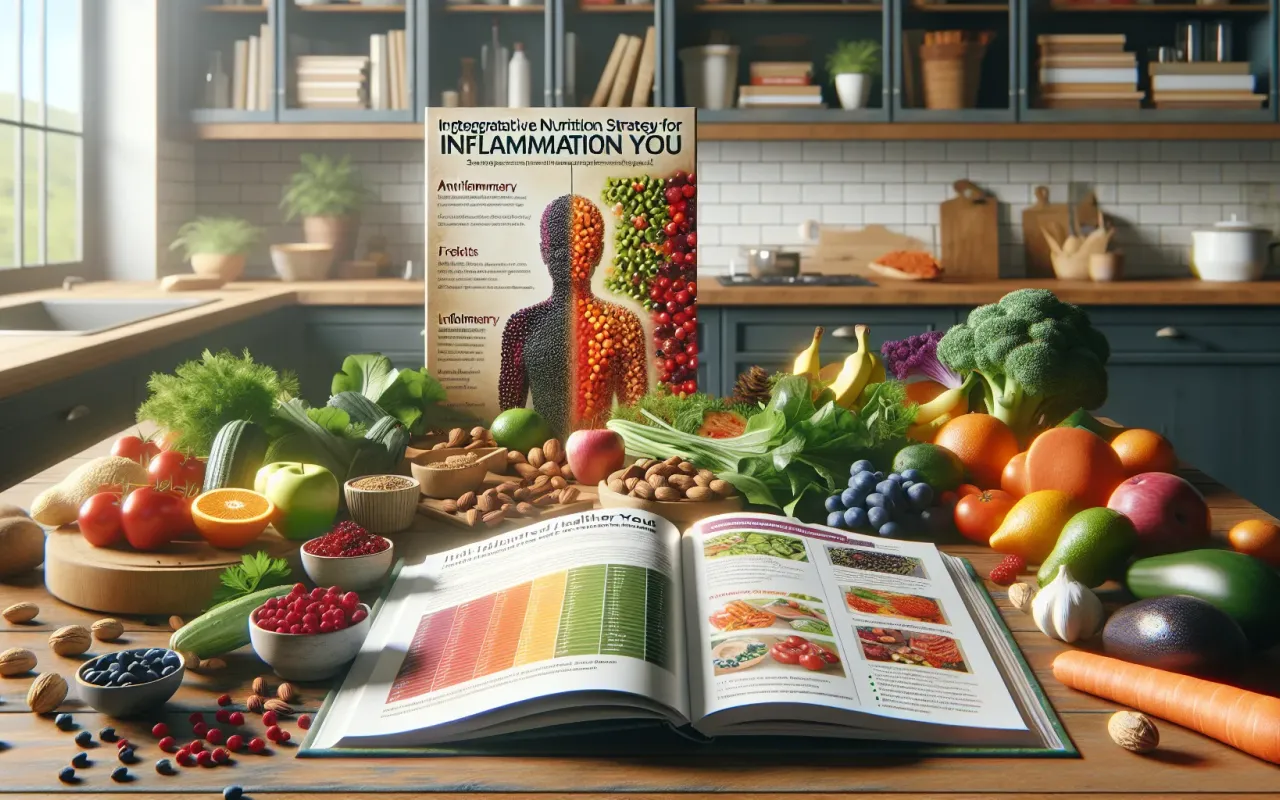
Explore effective strategies using integrative nutrition to reduce inflammation and enhance your overall health. Discover actionable tips and expert insights.
- September 10, 2024
AceShowbiz - Inflammation is a natural response of the body's immune system to injury or infection. However, chronic inflammation can lead to various health issues, including autoimmune diseases, heart disease, and even cancer. Integrative nutrition offers a holistic approach to reducing inflammation through diet and lifestyle modifications. This article explores effective strategies to help you manage and reduce inflammation, leading to a healthier you.
Understanding Inflammation and Its Impact
What Is Inflammation?
Inflammation is the body's defense mechanism against harmful stimuli, including pathogens, damaged cells, and irritants. It is characterized by redness, swelling, heat, and pain. While acute inflammation is short-term and beneficial for healing, chronic inflammation is prolonged and can damage tissues and organs.
Health Implications of Chronic Inflammation
Chronic inflammation has been linked to various health conditions, such as:
- Cardiovascular diseases
- Type 2 diabetes
- Rheumatoid arthritis
- Inflammatory bowel diseases
- Neurological conditions like Alzheimer's disease
Addressing chronic inflammation through dietary and lifestyle changes can significantly improve overall health and reduce the risk of these conditions.
Integrative Nutrition: A Holistic Approach
The Principles of Integrative Nutrition
Integrative nutrition combines traditional dietary practices with evidence-based nutritional information to promote overall well-being. This approach considers the whole person, including physical, emotional, and environmental factors, to create a balanced and individualized nutrition plan.
Key Components of an Anti-Inflammatory Diet
An anti-inflammatory diet focuses on foods that help reduce inflammation and avoid those that exacerbate it. Key components include:
1. Emphasis on Whole Foods
Whole foods, such as fruits, vegetables, whole grains, nuts, and seeds, are rich in nutrients and antioxidants that combat inflammation. Prioritize organic and minimally processed options whenever possible.
2. Healthy Fats
Incorporate sources of healthy fats, such as olive oil, avocados, and fatty fish (salmon, mackerel, sardines), which are high in omega-3 fatty acids. Omega-3s have been shown to reduce inflammation and support heart health.
3. Anti-Inflammatory Herbs and Spices
Turmeric, ginger, garlic, and cinnamon possess potent anti-inflammatory properties. These herbs and spices can be easily incorporated into meals to enhance flavor and provide health benefits.
4. Limiting Inflammatory Foods
Avoid or minimize the consumption of foods that promote inflammation, such as refined sugars, processed foods, trans fats, and excessive alcohol. These can contribute to chronic inflammatory responses in the body.
Actionable Strategies for Reducing Inflammation
1. Adopt a Balanced Diet
Ensure your diet is well-rounded and includes a variety of nutrient-dense foods. Aim for colorful plates filled with fruits, vegetables, lean proteins, and whole grains. Doing so provides a range of vitamins, minerals, and antioxidants necessary for combating inflammation.
2. Stay Hydrated
Adequate hydration is crucial for maintaining optimal cellular function and reducing inflammation. Drink plenty of water throughout the day and consider incorporating anti-inflammatory beverages like green tea and herbal teas.
3. Regular Physical Activity
Engage in regular physical activity, such as walking, swimming, or yoga. Exercise helps regulate immune function, reduce stress, and lower inflammation. Aim for at least 150 minutes of moderate-intensity exercise per week.
4. Manage Stress
Chronic stress can exacerbate inflammation. Techniques such as mindfulness meditation, deep breathing exercises, and adequate sleep can help manage stress levels and reduce its inflammatory impact on the body.
5. Consider Nutritional Supplements
In some cases, supplements like omega-3 fatty acids, vitamin D, and probiotics may support anti-inflammatory efforts. Consult with a healthcare provider before starting any supplementation regimen to ensure safety and efficacy.
Expert Insights and Real-Life Examples
Case Study: Reversing Inflammation through Diet
Jane, a 45-year-old woman with rheumatoid arthritis, successfully managed her symptoms by adopting an integrative nutrition approach. By prioritizing whole foods, healthy fats, and anti-inflammatory spices, and reducing processed food intake, she experienced significant improvements in her inflammation levels and overall well-being.
Expert Opinion: The Role of Integrative Nutrition
Dr. Emily Rodriguez, a leading nutritionist, emphasizes the importance of a comprehensive approach to inflammation reduction. "Integrative nutrition empowers individuals to take charge of their health by making informed dietary choices that support the body's natural healing processes," she says.
Conclusion: Taking Steps Towards a Healthier Future
Integrative nutrition for inflammation reduction offers a holistic and personalized strategy for improving health and preventing chronic diseases. By incorporating whole foods, healthy fats, anti-inflammatory herbs and spices, and making lifestyle adjustments, you can effectively manage and reduce inflammation.
Remember, the key to success lies in consistency and making gradual, sustainable changes. Consult with healthcare professionals to create a customized plan that suits your unique needs and goals. Embrace the journey towards a healthier you through integrative nutrition, and enjoy the benefits of reduced inflammation and enhanced well-being.