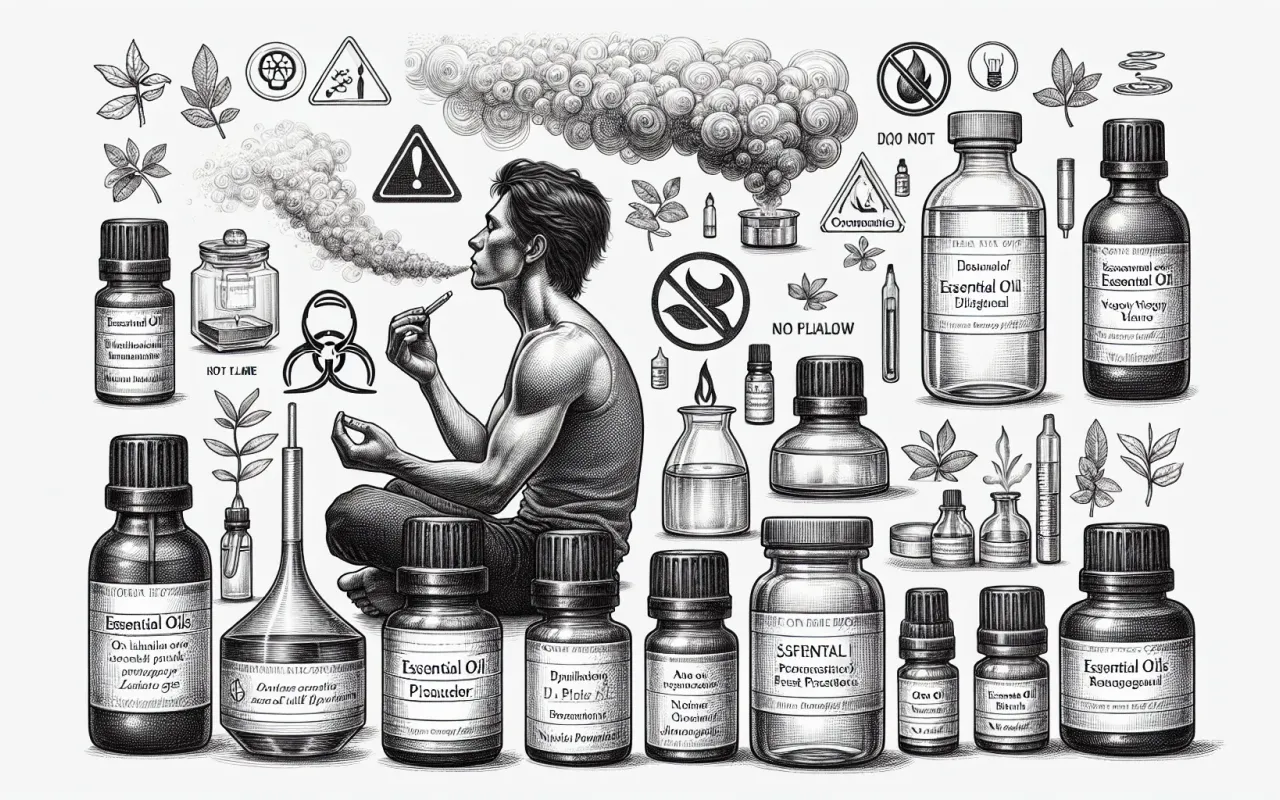
Discover the best practices and risks associated with essential oils safety for inhalation, ensuring a safe and effective aromatherapy experience.
- August 28, 2024
Essential oils have become increasingly popular for their therapeutic properties, especially when used in aromatherapy. However, the safety of inhaling essential oils is an important consideration. In this article, we will delve into the best practices and potential risks associated with essential oils safety for inhalation. Understanding these elements can help you maximize the benefits while minimizing the dangers.
What Are Essential Oils?
Essential oils are concentrated extracts from plants, capturing their aromatic and therapeutic properties. They are commonly obtained through distillation or cold pressing. Essential oils are used in various applications, from skin care to aromatherapy, primarily for their stress-relieving and medicinal benefits.
Benefits of Inhaling Essential Oils
Inhaling essential oils is a widely used aromatherapy technique with several proven benefits:
- Stress Relief: Oils like lavender, eucalyptus, and chamomile are known to reduce anxiety and promote relaxation.
- Pain Management: Peppermint and eucalyptus oils can help alleviate headaches and muscle pain.
- Boosted Immunity: Certain essential oils may strengthen the immune system by fighting off bacteria and viruses.
- Sleep Improvement: Oils like lavender and bergamot can improve sleep quality and combat insomnia.
Best Practices for Inhaling Essential Oils
Use a Diffuser
One of the safest ways to inhale essential oils is by using a diffuser. Diffusers disperse fine particles of essential oils into the air, allowing you to breathe them in without direct skin contact.
Steam Inhalation
Add a few drops of essential oil to a bowl of hot water, then lean over the bowl with a towel draped over your head. Inhale the steam for several minutes, but be cautious to avoid burns.
Evaporation Method
Place a few drops of essential oil on a cotton ball or tissue and inhale directly. This method allows for a controlled and mild inhalation experience.
Inhaler Sticks
Pre-made inhaler sticks infused with essential oils can be a convenient option for on-the-go aromatherapy. Simply uncapping the stick allows you to inhale the therapeutic fragrance.
Risks of Inhaling Essential Oils
Respiratory Issues
Some individuals may experience respiratory irritation, especially if they have pre-existing conditions like asthma or respiratory allergies. Ensure proper ventilation and limit exposure if you experience any discomfort.
Allergic Reactions
Allergic reactions can occur in sensitive individuals. Always perform a patch test and consult your healthcare provider if you have a history of allergies.
Toxicity
Certain essential oils can be toxic when inhaled in large quantities. Avoid overuse and ensure you use oils deemed safe for inhalation. Examples of toxic oils include camphor and pennyroyal.
Quality of Essential Oils
Always use high-quality essential oils from reputable sources. Low-quality or adulterated oils can contain harmful chemicals.
Who Should Avoid Inhaling Essential Oils?
While essential oils can benefit many, some groups should avoid inhalation due to potential risks:
- Pregnant or Nursing Women: Certain oils can have adverse effects on pregnancy and breastfed infants.
- Children: Some essential oils are not safe for children and can cause severe reactions.
- Pets: Many essential oils are toxic to animals and should not be diffused around them.
How to Choose Safe Essential Oils for Inhalation
Selecting the right essential oils is crucial for safe inhalation. Here are a few tips:
- Choose oils labeled as "pure" and "organic."
- Avoid oils with additives or synthetic ingredients.
- Consult an aromatherapist or healthcare provider for personalized recommendations.
Conclusion
Essential oils offer numerous therapeutic benefits when used safely for inhalation. Adhering to best practices and being aware of potential risks can help you enjoy their full advantages without compromising your health. Always consult professionals and choose high-quality, pure essential oils for the safest and most effective aromatherapy experience.