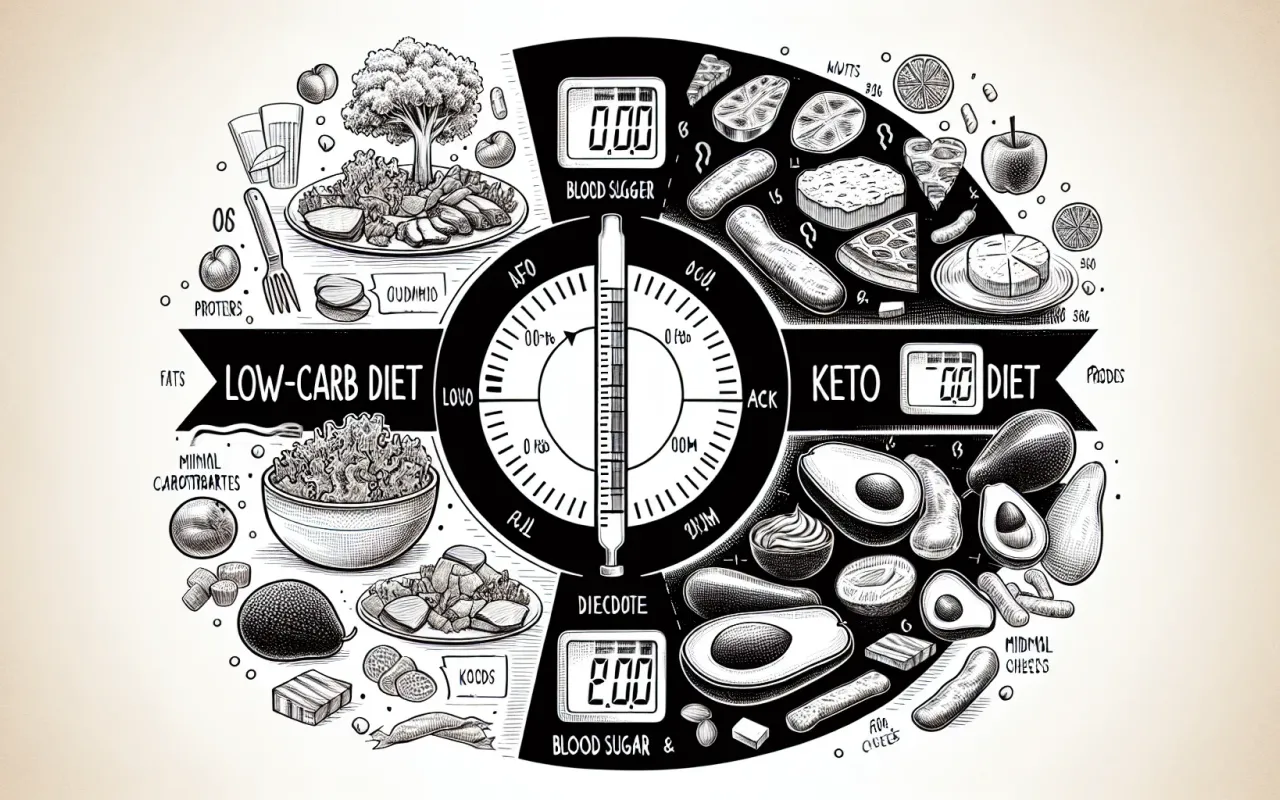
Discover the differences between low-carb and keto diets for diabetes management. Learn which diet may be more effective for controlling blood sugar levels.
- August 27, 2024
Managing diabetes effectively requires a proactive approach to diet and lifestyle. Two popular dietary strategies for controlling blood sugar levels are the low-carb and ketogenic (keto) diets. In this article, we will delve into the specifics of both diets and determine which might be the best option for diabetes management.
Understanding Diabetes and Blood Sugar Management
Diabetes is a chronic condition characterized by high blood sugar levels, which can lead to serious health complications if not managed properly. There are two main types of diabetes: Type 1 and Type 2. Type 1 diabetes is an autoimmune condition where the body does not produce insulin. Type 2 diabetes, which is more common, occurs when the body becomes resistant to insulin or does not produce enough of it.
Effective management of diabetes often involves monitoring blood sugar levels, following a suitable diet, exercising regularly, and taking prescribed medications. Diet plays a crucial role, and this brings us to the debate of low-carb vs keto for diabetes management.
What is a Low-Carb Diet?
Defining Low-Carb
A low-carb diet typically limits carbohydrate intake to 20-100 grams per day, depending on individual tolerance and specific dietary goals. The main focus is on reducing foods that are high in sugars and starches, such as bread, pasta, and sugary snacks, while emphasizing proteins and fats from natural sources.
Benefits of Low-Carb Diets
Low-carb diets have been shown to help manage blood sugar levels, promote weight loss, and improve heart health. By reducing the intake of carbs, there is less demand for insulin, which can help in stabilizing blood glucose levels. This can be particularly beneficial for people with Type 2 diabetes.
The Ketogenic Diet Explained
Understanding Keto
The ketogenic diet is a more restrictive version of the low-carb diet, typically reducing carbohydrate intake to less than 50 grams per day. The significant reduction in carbs leads the body into a metabolic state known as ketosis. In this state, the body uses fat as its primary source of fuel instead of carbohydrates, producing ketones in the process.
Benefits of the Ketogenic Diet
The keto diet has been praised for its rapid weight loss effects and its potential to stabilize blood sugar levels. By maintaining low blood sugar and low insulin levels, the body becomes more efficient at burning fat for energy. For some, ketosis can lead to a greater improvement in glycemic control compared to standard low-carb diets.
Comparing Low-Carb vs Keto for Diabetes
Blood Sugar Control
Both low-carb and keto diets have been shown to help lower blood sugar levels. However, the keto diet may offer a more pronounced effect due to its stricter limitation on carbohydrate intake. This stricter control can be beneficial for those with more advanced insulin resistance.
Weight Management
Weight loss is an essential component of diabetes management, especially for Type 2 diabetes. Both diets support weight loss, but the keto diet's approach to ketosis may result in quicker and more substantial weight loss in the short term. The low-carb diet, being less restrictive, may be easier to maintain long-term and thus support sustained weight management.
Nutritional Considerations
It's important to consider the nutritional variety of both diets. The keto diet's extreme carbohydrate restriction can sometimes lead to nutrient deficiencies if not carefully planned. Foods high in fiber and essential vitamins are often limited. The low-carb diet, being less restrictive, allows for a greater variety of nutrient-dense foods such as fruits, vegetables, and whole grains in moderation.
Sustainability and Lifestyle
Sustainability is a critical factor in choosing a diet. The keto diet can be more challenging to maintain due to its strict carb limitations, which might make social eating and meal prep more difficult. The low-carb diet's flexibility can make it more practical and easier to adhere to long-term, which is crucial for chronic disease management.
Expert Insights and Recommendations
When choosing between a low-carb vs keto diet for diabetes management, individual preferences, lifestyle, and medical history should be considered. It's essential to consult with healthcare professionals, including a dietitian or endocrinologist, to tailor a diet plan that aligns with personal health goals and needs.
Some people with diabetes might benefit from starting with a low-carb approach and gradually transitioning to a keto diet if needed. Continuous monitoring of blood sugar levels and ongoing medical supervision are important to ensure safety and effectiveness.
Conclusion
Both low-carb and ketogenic diets can be effective strategies for managing diabetes. The choice between them depends on individual factors such as blood sugar control needs, weight loss goals, dietary preferences, and lifestyle sustainability. While the keto diet may offer more immediate results in glycemic control and weight loss, the low-carb diet provides flexibility and long-term sustainability.
Ultimately, working with a healthcare professional to determine the most suitable diet plan is crucial for optimal diabetes management and overall well-being.