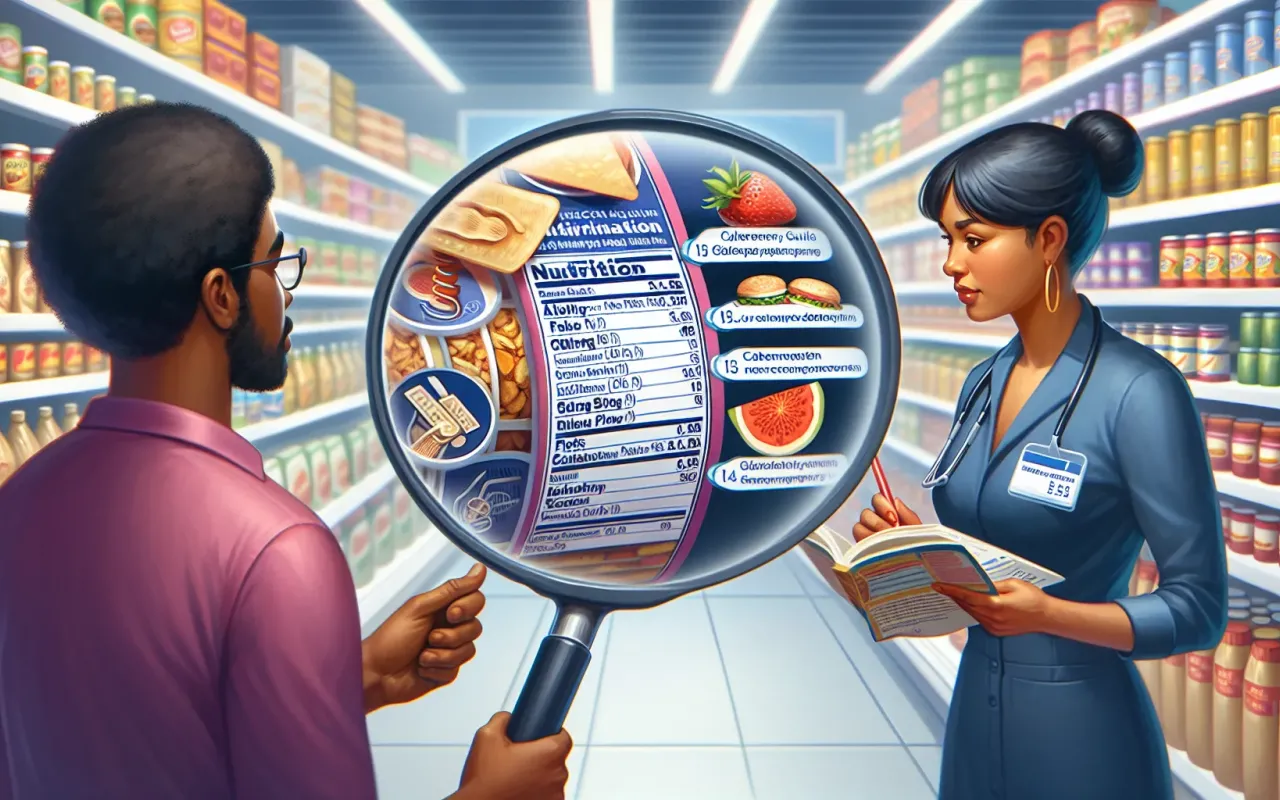
Discover a comprehensive guide on how to read food labels for nutritional information. Learn step-by-step how to make healthier choices based on understanding nutritional labels.
- August 24, 2024
Learning how to read food labels for nutritional information is crucial for anyone looking to maintain a healthy diet. By understanding these labels, you can make informed decisions about the food you consume. This guide will walk you through the essential components of a food label, offering tips and insights on how to interpret the data presented.
Why Food Labels are Important
Food labels provide critical information about the nutritional content of a product, helping consumers make healthier choices. These labels can guide you in managing dietary needs, such as reducing sodium intake, controlling portions, or ensuring you get enough essential nutrients.
Breaking Down the Food Label
1. Serving Size
The serving size is the first piece of information you’ll encounter on a food label. It’s critical because all other nutritional values on the label are based on this amount. Ensure that the serving size listed matches the portion you plan to consume.
2. Calories
Calories indicate the amount of energy you get from a serving of the food. Keep in mind your daily caloric needs, which can vary based on age, gender, weight, and activity level. Overconsumption of calories can lead to weight gain, so monitoring calorie intake is essential.
3. Nutrients to Limit
Look out for nutrients that you should limit, such as saturated fat, trans fat, cholesterol, and sodium. Consuming too much of these can increase the risk of chronic diseases like heart disease and hypertension.
4. Nutrients to Include
Focus on getting enough fiber, vitamins, and minerals, which are usually listed farther down the label. These nutrients are essential for maintaining your health and can help prevent various deficiencies.
Understanding % Daily Value (%DV)
The %DV indicates how much a nutrient in a serving of food contributes to a daily diet. A general guide:
- 5% DV or less is low
- 20% DV or more is high
Additional Information on Food Labels
Ingredient List
The ingredient list shows all the ingredients in a product, listed by weight from highest to lowest. This is useful for identifying allergens, additives, or specific nutrients you're interested in.
Common Claims on Food Packaging
Terms like “low-fat,†“reduced sodium,†or “sugar-free†have specific definitions regulated by organizations like the FDA. Familiarize yourself with these terms to better understand what they mean for your health.
Practical Tips for Reading Food Labels
Here are some practical tips to help you make better use of food labels:
- Compare Products: When shopping, take the time to compare similar products. Look for the items with lower calories, sodium, and sugars, and higher fiber and vitamins.
- Watch Out for Hidden Sugars: Ingredients such as high fructose corn syrup, sucrose, and maltose are all added sugars. Keep an eye out for these hidden sources of sugar.
- Be Skeptical of Marketing: Terms like “natural†or “organic†do not necessarily mean the product is healthy. Always check the nutrition label to get the full picture.
Conclusion
Understanding how to read food labels for nutritional information empowers you to make healthier choices and maintain a balanced diet. By knowing what each section of the label represents, you can effectively manage your nutrient intake and contribute positively to your overall health. Remember, the key to effective nutrition is not just about individual meals, but consistent, informed decisions over time.