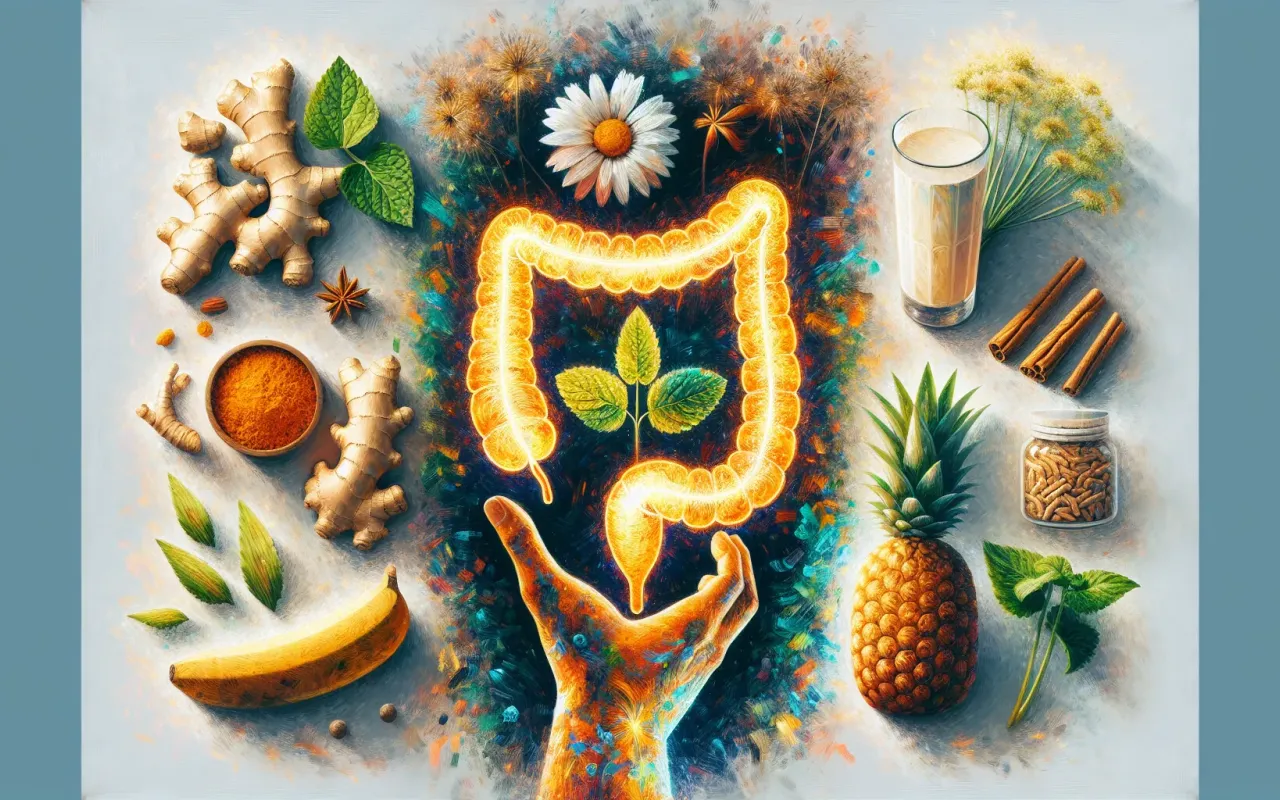
Discover the top 10 natural remedies for IBS to improve your gut health today. Learn effective, easy-to-follow solutions for managing IBS and enhancing your digestive well-being.
- August 16, 2024
AceShowbiz - Managing Irritable Bowel Syndrome (IBS) can be challenging, as it often involves a combination of symptoms such as abdominal pain, bloating, constipation, and diarrhea. Many people turn to natural remedies for IBS and gut health to alleviate these symptoms and improve their overall digestive well-being. In this article, we'll explore the top 10 natural remedies for IBS that you can start using today to enhance your gut health.
1. Dietary Fiber: The Foundation of Gut Health
Dietary fiber is an essential component of a healthy diet, particularly for those with IBS. Soluble fiber, which dissolves in water, can help regulate bowel movements and reduce symptoms like constipation. Foods rich in soluble fiber include oats, apples, carrots, and chia seeds. However, it's important to introduce fiber gradually to avoid exacerbating symptoms such as bloating.
2. Probiotics: Balancing Your Gut Microbiome
Probiotics are beneficial bacteria that can help balance the gut microbiome. Research suggests that certain probiotic strains, such as Bifidobacterium and Lactobacillus, may alleviate IBS symptoms by promoting a healthier gut environment. Consider incorporating probiotic-rich foods like yogurt, kefir, sauerkraut, and kimchi into your diet, or opt for a high-quality probiotic supplement.
3. Peppermint Oil: A Natural Antispasmodic
Peppermint oil is renowned for its ability to relax the muscles of the gastrointestinal tract and reduce abdominal pain. Studies have shown that enteric-coated peppermint oil capsules can be particularly effective in alleviating IBS symptoms. However, always consult your healthcare provider before starting any new supplement.
4. Ginger: Soothing Digestive Aid
Ginger has long been used as a natural remedy for digestive issues, thanks to its anti-inflammatory and motility-enhancing properties. Drinking ginger tea or adding fresh ginger to meals can help soothe the digestive tract and reduce nausea and bloating associated with IBS.
5. Low FODMAP Diet: Tailoring Your Food Choices
The Low FODMAP diet involves limiting foods that are high in certain fermentable carbohydrates that can trigger IBS symptoms. Common high-FODMAP foods include onions, garlic, wheat, and certain fruits. Working with a dietitian to implement a Low FODMAP diet can help identify specific triggers and manage your symptoms more effectively.
6. Hydration: Essential for Digestive Function
Staying well-hydrated is crucial for maintaining optimal digestive function. Water helps to soften stools, making them easier to pass and preventing constipation. Aim to drink at least eight glasses of water a day, and consider reducing intake of dehydrating beverages like coffee and alcohol.
7. Regular Exercise: Boosting Gut Motility
Regular physical activity can improve gut motility and reduce stress, both of which play a significant role in managing IBS symptoms. Activities such as walking, yoga, and swimming are gentle on the body and can help keep your digestive system functioning smoothly.
8. Stress Management: Calming Your Gut
Stress is a known trigger for IBS symptoms, making stress management techniques essential for gut health. Practices such as mindfulness meditation, deep breathing exercises, and yoga can help reduce stress levels and alleviate IBS symptoms. Finding activities that promote relaxation and mental well-being can make a significant difference in your digestive health.
9. Herbal Teas: Natural Digestive Support
Herbal teas such as chamomile, fennel, and dandelion root can provide soothing relief for digestive discomfort. These teas have antispasmodic and anti-inflammatory properties that can help reduce bloating, cramping, and gas. Incorporate these teas into your daily routine for gentle, natural support.
10. Acupuncture: Holistic Symptom Relief
Acupuncture, a traditional Chinese medicine practice, involves inserting thin needles into specific points on the body to relieve pain and improve bodily functions. Some studies suggest that acupuncture may help reduce IBS symptoms by promoting relaxation and enhancing digestive function. Consult with a licensed acupuncturist to explore this treatment option.
Conclusion
Managing IBS often requires a multifaceted approach. By incorporating these top 10 natural remedies for IBS and gut health into your daily routine, you can work towards alleviating symptoms and improving your overall digestive well-being. Remember to consult with your healthcare provider before starting any new treatment to ensure it is safe and suitable for your specific needs.