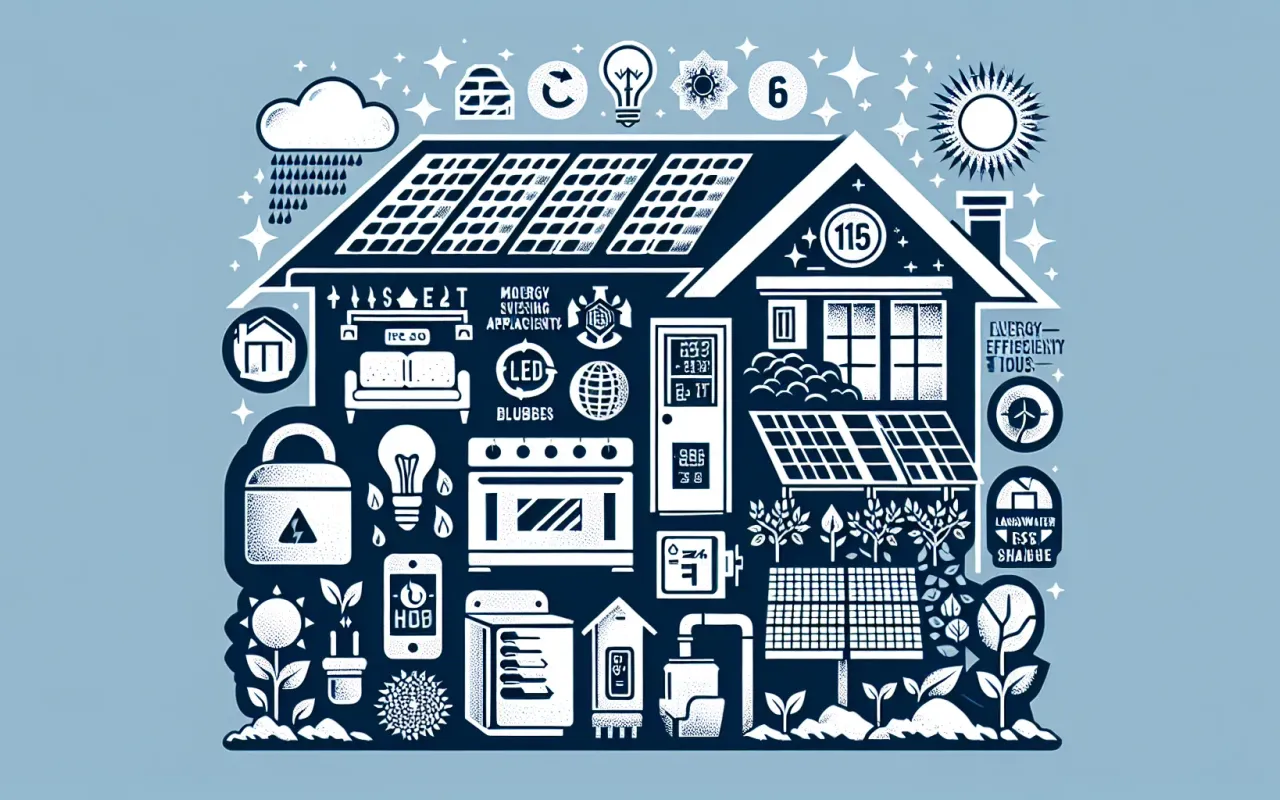
Discover the top 10 energy-efficient home improvement tips to enhance your home's energy performance and reduce utility bills. Achieve energy efficiency with practical and effective strategies.
- August 15, 2024
AceShowbiz - With rising utility costs and environmental concerns, homeowners are increasingly interested in energy-efficient home improvement tips. By making your home more energy-efficient, you can reduce your carbon footprint, save money, and create a more comfortable living environment. Below are the top 10 energy-efficient home improvement tips that can help you achieve these goals.
1. Upgrade Your Insulation
Proper insulation is crucial for maintaining a consistent indoor temperature, which reduces the need for heating and cooling. Insulate your attic, walls, floors, and crawl spaces to prevent air leaks and heat loss. Consider using eco-friendly insulation materials like cellulose or wool for an added environmental benefit.
2. Seal Air Leaks
Air leaks around doors, windows, and other openings can cause your heating and cooling systems to work overtime. Use caulk, weatherstripping, and expanding foam to seal gaps and cracks. Pay special attention to areas around electrical outlets, plumbing fixtures, and attic hatches.
3. Install Energy-efficient Windows
Windows are major contributors to energy loss in homes. Replace old, single-pane windows with double- or triple-pane windows that have low-emissivity (Low-E) coatings. These windows reduce heat transfer and block ultraviolet rays, keeping your home warmer in winter and cooler in summer.
4. Upgrade to LED Lighting
Traditional incandescent bulbs are highly inefficient, converting most of their energy into heat rather than light. LED (Light Emitting Diode) bulbs use up to 90% less energy and last significantly longer. Replace your existing bulbs with LEDs to reduce energy consumption and save on electricity bills.
5. Install a Programmable Thermostat
A programmable thermostat allows you to set specific temperatures for different times of the day, ensuring that your heating and cooling systems operate only when necessary. Smart thermostats can further optimize energy use by learning your schedule and preferences.
6. Optimize Heating and Cooling Systems
Regular maintenance of your HVAC (heating, ventilation, and air conditioning) systems ensures they run efficiently. Clean or replace air filters regularly, and consider upgrading to a high-efficiency HVAC system. Additionally, zone heating and cooling systems can provide targeted comfort where it's needed most, reducing overall energy use.
7. Use Energy-efficient Appliances
Older appliances tend to consume more energy. When it's time to replace them, choose models that carry the ENERGY STAR label. These appliances are designed to use less energy without sacrificing performance, helping you save on utility bills.
8. Install a Tankless Water Heater
Tanked water heaters continuously heat stored water, consuming energy even when hot water isn't being used. Tankless water heaters heat water on demand, reducing energy consumption and providing an endless supply of hot water. This upgrade can significantly reduce your energy bills over time.
9. Incorporate Passive Solar Design
Passive solar design takes advantage of the sun's natural energy to heat and cool your home. This can include features like south-facing windows, thermal mass (materials that absorb and store heat), and shading devices. Thoughtful design can reduce the need for artificial heating and cooling.
10. Invest in Renewable Energy Sources
Consider integrating renewable energy sources like solar panels or wind turbines into your home. Although the initial investment can be significant, the long-term savings and environmental benefits often outweigh the costs. Many governments offer incentives and tax credits for renewable energy installations.
Conclusion
Improving your home's energy efficiency is an investment that pays off in the long run. By following these top 10 energy-efficient home improvement tips, you can enhance your home's energy performance, reduce your carbon footprint, and save money on utility bills. Start small by upgrading your insulation or sealing air leaks, and gradually move towards larger investments like energy-efficient windows and renewable energy sources. Every step you take brings you closer to a more sustainable and cost-effective home.