Rick Wakeman stands as one of the most iconic and flamboyant figures in the history of progressive rock, a classically trained keyboard virtuoso whose technical brilliance and theatrical stage presence defined an era. Born Richard Christopher Wakeman on 18 May 1949 in West London, he initially aspired to be a concert pianist, but his path took a dramatic turn when he left the Royal College of Music in 1969 to pursue a career in the burgeoning rock scene. He quickly became one of the most in-demand session musicians in London, contributing to an estimated 2,000 recordings during this prolific period. Among his most notable early collaborations were his work on David Bowie's groundbreaking single "Space Oddity" and the haunting piano on "Life on Mars?", as well as the iconic keyboard part on Cat Stevens' "Morning Has Broken." His session work also extended to artists like Elton John, Marc Bolan, and Lou Reed, establishing him as a formidable talent behind the scenes.
After a brief and highly publicized stint with the folk-rock group the Strawbs, Wakeman joined the progressive rock band Yes in 1971. His arrival marked a creative zenith for the group, as he played on seminal albums such as Fragile (1971), Close to the Edge (1972), and Tales from Topographic Oceans (1973). His mastery of the Hammond organ, Moog synthesizer, and Mellotron, combined with his signature flowing capes, made him an unforgettable visual and musical icon. In 1974, he formed his own touring band, the English Rock Ensemble, and launched a solo career that would see him become a superstar in his own right. His first three concept albums—The Six Wives of Henry VIII (1973), the UK number-one Journey to the Centre of the Earth (1974), and The Myths and Legends of King Arthur and the Knights of the Round Table (1975)—became massive commercial successes and remain landmarks of the genre. He also expanded into film work, scoring Ken Russell's feature Lisztomania in 1975.
Wakeman's career is characterized by extraordinary productivity and stylistic diversity, with a discography exceeding 100 solo albums. The 1980s and 1990s brought shifting musical trends and personal financial strain, leading him to pivot toward lower-budget releases for niche markets. However, he remained a constant live presence through both band-led tours and intimate one-man shows blending music with his famously dry, anecdotal storytelling. This era also saw him diversify into broadcasting, record label management, and new musical directions with albums like Country Airs (1986) and the Christian-themed The Gospels (1987). A commercial resurgence arrived with Return to the Centre of the Earth (1999), his first UK Top 40 release in 18 years, followed by reworkings of his classic concept albums. His 2017 piano collection Piano Portraits became his first UK Top 10 album in 42 years, proving his enduring appeal.
Throughout his career, Wakeman completed a total of five stints with Yes, concluding in 2004, and performed with the offshoot group Yes Featuring Jon Anderson, Trevor Rabin, and Rick Wakeman from 2016 to 2020. Beyond music, he is a beloved media personality, known for appearances on shows like Countdown, Watchdog, and as a regular on the BBC comedy series Grumpy Old Men. He has also authored three books, hosted a Saturday morning radio show on Planet Rock from 2005 to 2010, and maintains a podcast. His contributions have been widely recognized, with a Rock and Roll Hall of Fame induction as a member of Yes in 2017 and a Commander of the Order of the British Empire (CBE) in 2021 for his services to music and broadcasting. Now in his seventh decade of music-making, Wakeman remains an indefatigable performer and storyteller, his legacy as a pioneer of progressive rock firmly secured.
⭐
Similar Celebrities


📷
Recent Photos
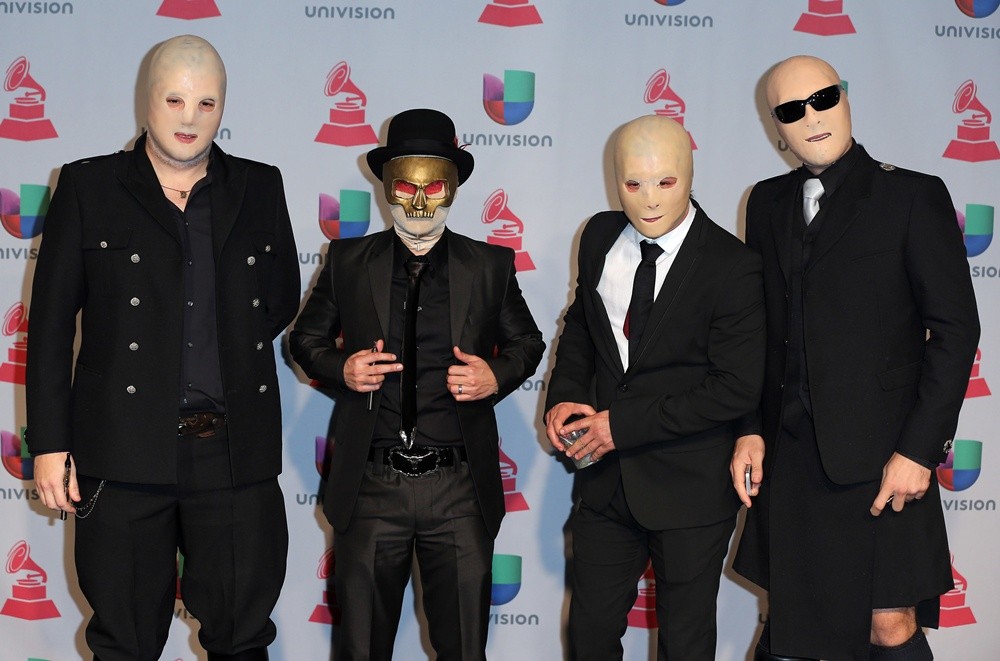
A Band of Bitches
The Latin Grammys 2013
Nov 21, 2013
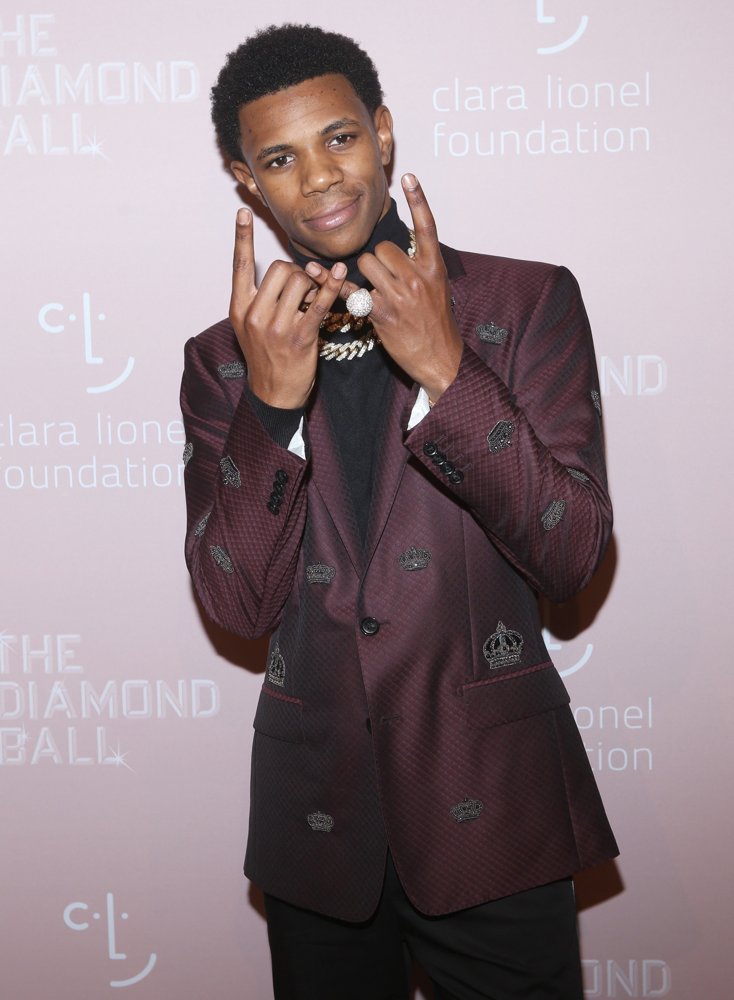
A Boogie Wit Da Hoodie
Rihanna's 4th Annual Diamond Ball
Sep 13, 2018

A Boogie Wit Da Hoodie
Lincoln Center Fashion Gala - An Evening Honoring Coach
Nov 29, 2018
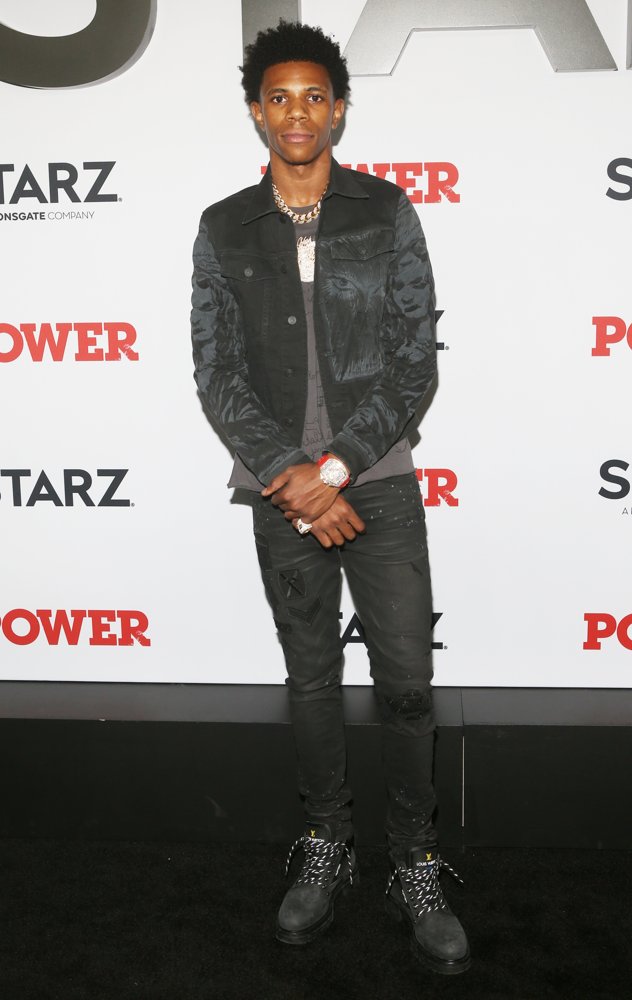
A Boogie Wit Da Hoodie
STARZ Red Carpet Event for Power Final Season World Premiere
Aug 20, 2019

A Fine Frenzy
2014 Entertainment Weekly Pre-Emmy Party - Arrivals
Aug 23, 2014
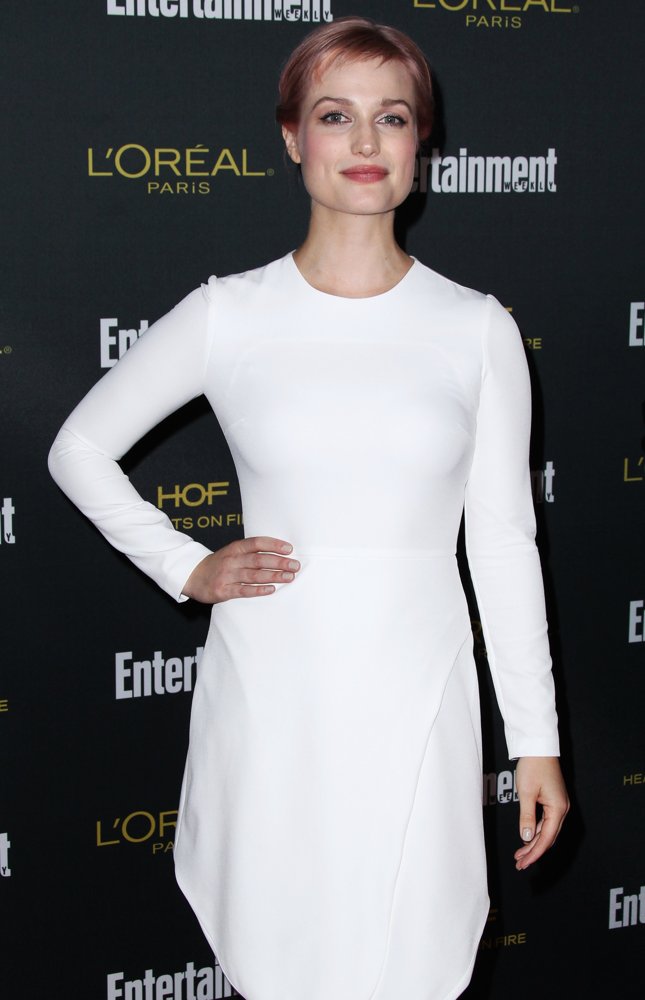
A Fine Frenzy
2014 Entertainment Weekly Pre-Emmy Party - Arrivals
Aug 23, 2014




⭐Featured Celebrities