Melania Trump, born Melanija Knavs on April 26, 1970, in Yugoslavia, has carved a singular path in American public life as a former model, businesswoman, and the first lady of the United States, a role she has held twice, first from 2017 to 2021 and again beginning in 2025. As the third wife of Donald Trump, the 45th and 47th president, she stands as a historic figure: the first naturalized citizen and first non-native English speaker to serve as first lady, the second foreign-born first lady after Louisa Adams, and only the second woman to hold the position nonconsecutively, following Frances Cleveland. Her journey from a small European town to the White House is marked by resilience, reinvention, and a fiercely guarded privacy.
Born in the Slovenian town of Sevnica, Knavs began her modeling career at age 16 while continuing her education. She later changed her name’s spelling to Melania Knauss and sought work in the fashion capitals of Paris and Milan, where her striking features and poised demeanor opened doors. In 1996, Italian businessman Paolo Zampolli hired her and sponsored her immigration to the United States, setting the stage for her New York breakthrough. It was in Manhattan that she met Donald Trump in 1998, introduced by Zampolli, at a time when Trump was still married to Marla Maples. Their courtship quickly became public, with Trump helping to secure her more prominent modeling assignments and Knauss standing by his side during his exploratory 2000 presidential bid. The couple married in 2005 in a lavish ceremony, and their son, Barron Trump, was born the following year. In 2009, she launched her own jewelry brand, Melania, expanding her professional portfolio beyond the runway.
Though she had little appetite for the campaign trail, Melania Trump played a behind-the-scenes role in encouraging her husband to run for president in 2016 and offered strategic counsel. Her rare public appearances nonetheless generated headlines, most notably when erotic photographs from her modeling past were republished and when her speech at the 2016 Republican National Convention was revealed to contain passages plagiarized from a 2008 address by Michelle Obama. In the election’s final weeks, she publicly defended her husband following the release of the infamous Access Hollywood tape, which threatened to derail his campaign. Her initial tenure as first lady was unconventional; she remained in Manhattan for months to allow Barron to finish the school year while quietly renegotiating her prenuptial agreement. Once in the White House, she maintained a low public profile, hosting fewer events than her predecessors and often operating behind the scenes.
Her second tenure in the White House, beginning in 2025, has continued this pattern of selective visibility. During her first term, she faced personal and political turbulence, including allegations of her husband’s extramarital affairs, surgery for kidney disease in 2018, and a tour of Africa that drew criticism over her wardrobe and conduct. Yet she also carved out a substantive legacy through her Be Best initiative, which focused on children’s welfare, online safety, and opioid abuse prevention, and she made numerous visits to children’s hospitals. More significantly, she acted as a close and trusted advisor to her husband, reportedly influencing his decision to end the family separation policy at the U.S.-Mexico border and his administration’s ban on fruit-flavored e-cigarette cartridges. In the chaotic aftermath of the 2020 election, she endorsed her husband’s baseless claims of widespread voter fraud, aligning herself with his narrative of a stolen election. After leaving Washington in January 2021, she retreated from public view, focusing on her family and personal projects before reemerging on the national stage as first lady once again in 2025.
⭐
Similar Celebrities
📷
Recent Photos
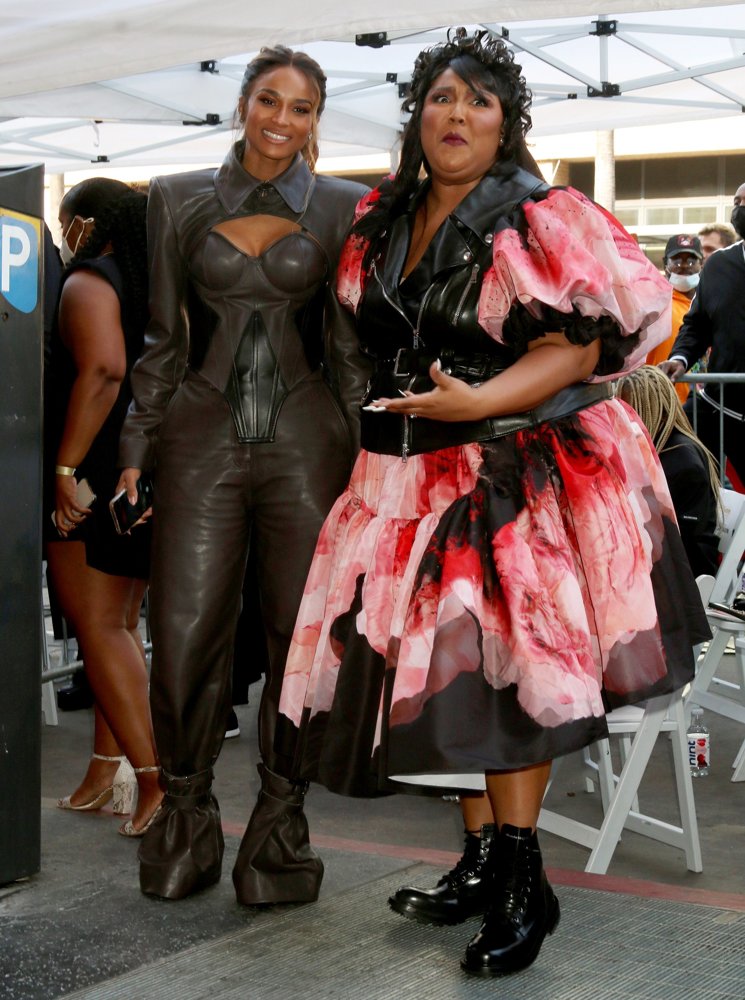
Ciara
Missy Elliott Star Ceremony on The Hollywood Walk of Fame
Nov 8, 2021
Jamie Dornan
Belfast Premiere - Arrivals
Nov 8, 2021
Jamie Dornan
Belfast Premiere - Arrivals
Nov 8, 2021
Missy Elliott
Missy Elliott Star Ceremony on The Hollywood Walk of Fame
Nov 8, 2021
Jamie Dornan
Belfast Premiere - Arrivals
Nov 8, 2021
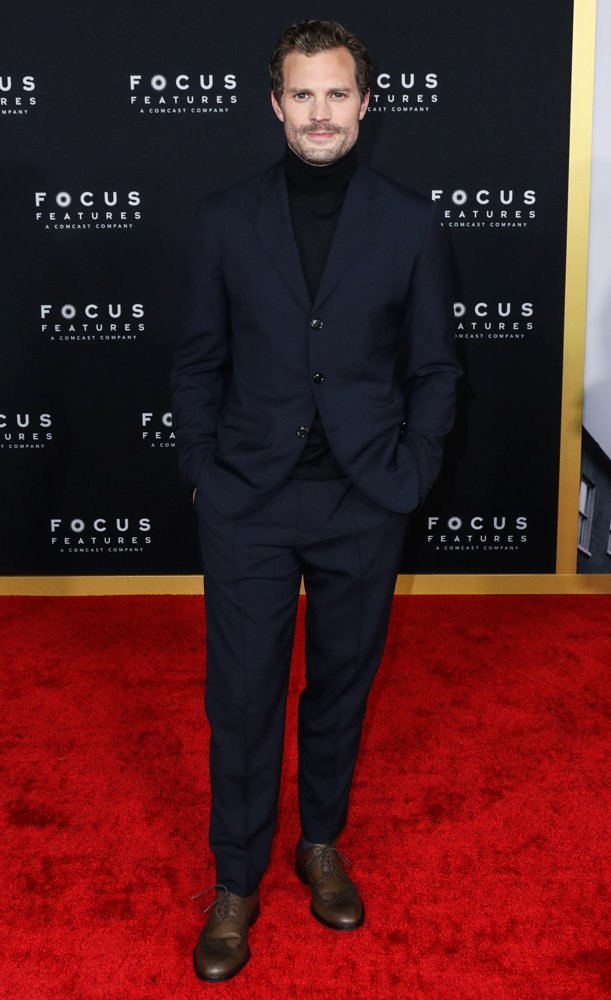
Jamie Dornan
Belfast Premiere - Arrivals
Nov 8, 2021



⭐Featured Celebrities