Freda Josephine Baker, born on June 3, 1906, in St. Louis, Missouri, transcended the boundaries of performance, activism, and espionage to become one of the most iconic and multifaceted figures of the twentieth century. Known to the world as Josephine Baker, she was an American-born French dancer, singer, and actress whose career, centered primarily in Europe, made her a symbol of the Jazz Age and a pioneering force for Black artists. Her journey from the impoverished streets of St. Louis to the grandest stages of Paris is a testament to her extraordinary talent, resilience, and unwavering commitment to equality. She passed away on April 12, 1975, leaving behind a legacy that continues to inspire and challenge perceptions.
Baker’s early life was marked by hardship, which fueled her determination to escape. She began performing as a teenager in the United States, finding work in vaudeville and chorus lines, but it was her move to Paris in the mid-1920s that would catapult her to international stardom. She quickly became the most celebrated performer to headline the revues of the Folies Bergère, and her performance in the 1927 revue Un vent de folie caused a sensation. Her costume, consisting of a short skirt of artificial bananas and a beaded necklace, became an iconic image, symbolizing both the liberation of the Roaring Twenties and the complex exoticism projected onto Black performers. She was celebrated by artists and intellectuals of the era, who dubbed her the "Black Venus," the "Black Pearl," and the "Creole Goddess." She also made history as the first Black woman to star in a major motion picture, the 1927 French silent film Siren of the Tropics, directed by Mario Nalpas and Henri Étiévant.
Beyond her artistic triumphs, Baker’s life was defined by profound acts of courage and humanitarianism. In 1937, she renounced her U.S. citizenship and became a French national after marrying French industrialist Jean Lion, solidifying her bond with her adopted homeland. During World War II, she served as a spy for the French Resistance, also working with the British Secret Intelligence Service and the United States Office of Strategic Services—details that were not publicized until French documents were declassified in 2020. Her wartime service earned her the Resistance Medal, the Croix de Guerre, and the title of Knight of the Legion of Honour from General Charles de Gaulle. She famously sang "J'ai deux amours," a song about loving her country and Paris, which became her signature anthem. In her personal life, she adopted twelve children, whom she called her "Rainbow Tribe," raising them in France as a living testament to her belief in racial harmony.
Baker was equally formidable as a civil rights activist, refusing to perform for segregated audiences in the United States and using her platform to fight for equality. In 1968, following the assassination of Martin Luther King Jr., she was offered unofficial leadership in the civil rights movement but declined due to concerns for the welfare of her children. Her contributions were posthumously recognized on November 30, 2021, when she was inducted into the Panthéon in Paris, becoming the first Black woman to receive one of France's highest honors. As her resting place remains in Monaco Cemetery, a cenotaph was installed in vault 13 of the crypt in the Panthéon, ensuring her symbolic presence among France's greatest historical figures. Josephine Baker’s life was a masterclass in breaking barriers, and her legacy as an artist, spy, and activist remains an enduring inspiration.
⭐
Similar Celebrities






📷
Recent Photos
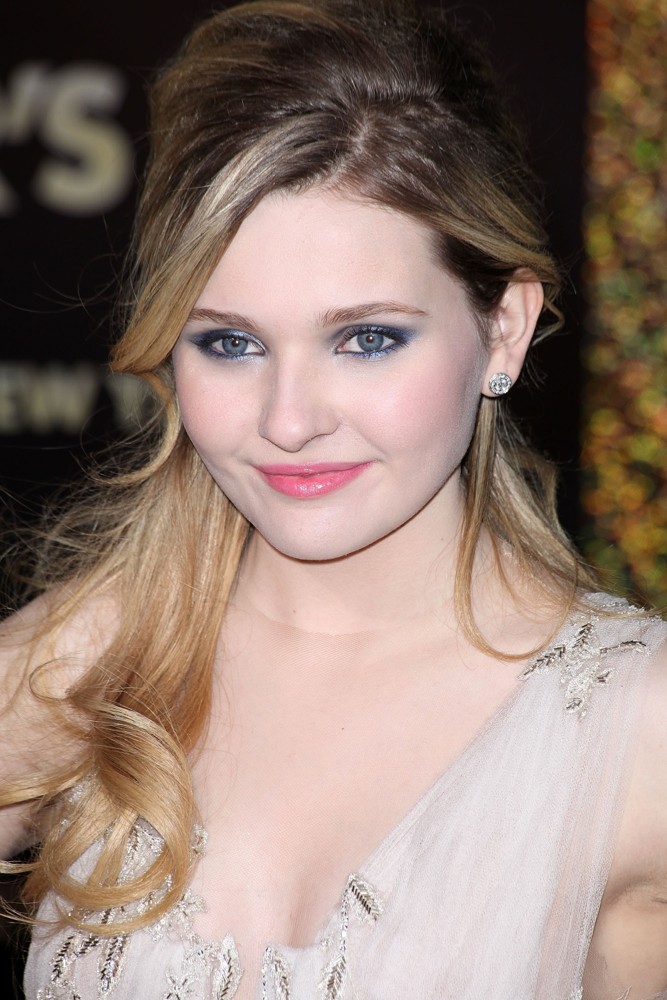
Abigail Breslin
Los Angeles Premiere of New Year's Eve
Dec 5, 2011

Abigail Breslin
Los Angeles Premiere of New Year's Eve
Dec 5, 2011
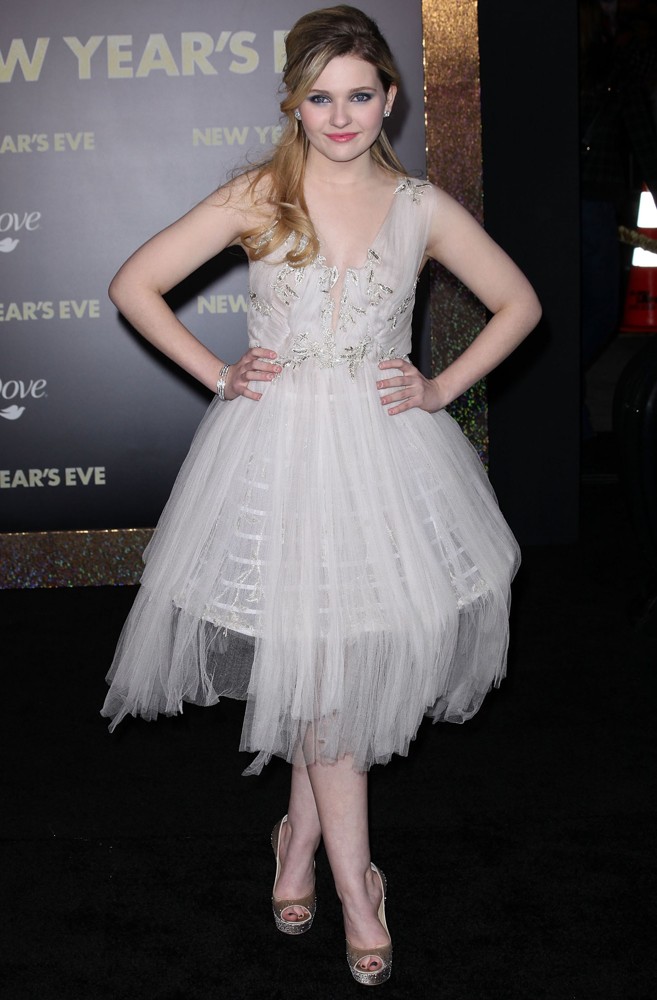
Abigail Breslin
Los Angeles Premiere of New Year's Eve
Dec 5, 2011
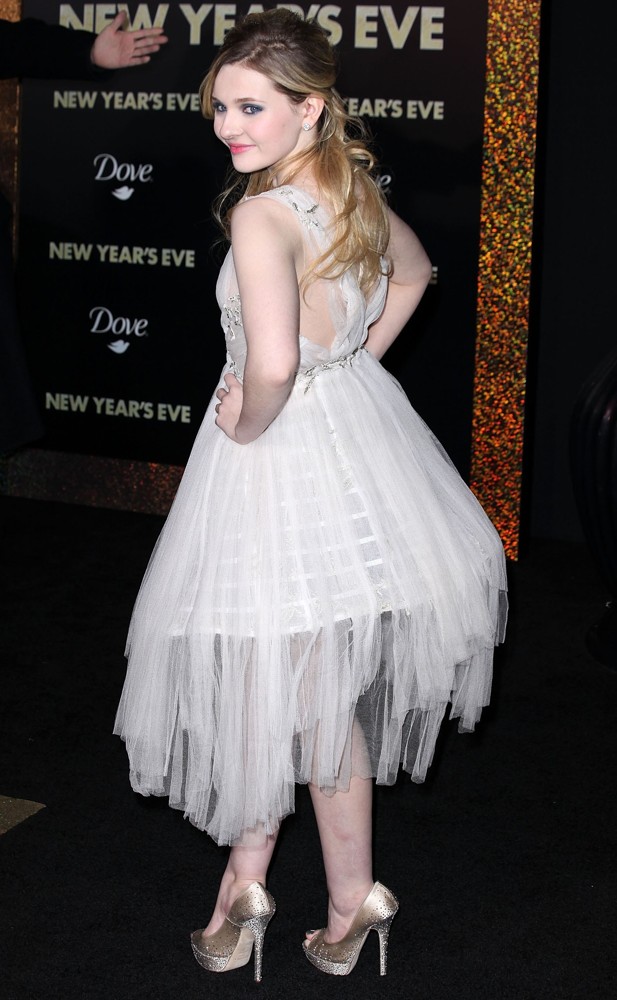
Abigail Breslin
Los Angeles Premiere of New Year's Eve
Dec 5, 2011

Abigail Breslin
Los Angeles Premiere of New Year's Eve
Dec 5, 2011

Alabama
2011 American Country Awards - Arrivals
Dec 5, 2011





⭐Featured Celebrities