Drew Brees stands as one of the most prolific and decorated quarterbacks in NFL history, a player whose two-decade career redefined the standards of passing excellence and transformed a franchise in the process. Born Drew Christopher Brees on January 15, 1979, in Austin, Texas, he emerged from a competitive athletic family, with his father having played basketball at Texas A&M. Brees initially channeled his talents into baseball and basketball before focusing on football, becoming a standout at Westlake High School in Austin, where he led his team to a state championship. Despite his high school success, college recruiters were hesitant due to his relatively modest stature, and he ultimately walked on at Purdue University, where he would go on to etch his name into the Big Ten record books. As the Boilermakers' starting quarterback, Brees set conference records for completions, attempts, and passing yards, and in 2000 he captured both the Maxwell Award and the Big Ten Most Valuable Player honor, establishing himself as a fearless leader with an uncanny accuracy that would become his trademark.
Selected by the San Diego Chargers in the second round of the 2001 NFL Draft, Brees faced immediate skepticism over his arm strength and height, and his early professional years were marked by inconsistency and a battle for the starting role. His breakout arrived in 2004 when he guided the Chargers to their first playoff appearance in nearly a decade and their first division title since 1994, earning Pro Bowl and Comeback Player of the Year accolades. The following season, however, brought a devastating shoulder injury that threatened to end his career, and with the Chargers choosing to move on, Brees entered free agency with his future uncertain. The New Orleans Saints, a franchise steeped in decades of futility, took a calculated risk and signed him in 2006, a decision that would alter the trajectory of both player and organization forever.
In New Orleans, Brees blossomed into an all-time great, bringing unprecedented success to a city and a team that had known little of it. Over fifteen seasons with the Saints, he led the franchise to seven division titles, nine playoff appearances, and its first Super Bowl championship, capping the 2009 season with a victory in Super Bowl XLIV, where he was named the game's Most Valuable Player. His statistical dominance was staggering: he retired as the NFL's all-time leader in passing yards and touchdown passes at the time of his departure, records since surpassed, and he still ranks second in career passing yards, touchdown passes, and completions. Brees also shattered one of the sport's most enduring records, throwing a touchdown pass in 54 consecutive games to break Johnny Unitas's mark that had stood for over half a century. He was named Offensive Player of the Year twice, earned 13 Pro Bowl selections, and led the league in passing yards a record seven times, all while becoming the face of a resurgent New Orleans community in the aftermath of Hurricane Katrina.
Brees announced his retirement after the 2020 season, closing a career that saw him play 20 NFL seasons and cement his legacy as one of the greatest quarterbacks of all time. He spent the following year as an analyst for NBC Sunday Night Football before returning to his alma mater as an interim assistant coach at Purdue in 2022. In 2026, he received the ultimate honor, being inducted into the Pro Football Hall of Fame, a fitting tribute to a player whose precision, resilience, and leadership left an indelible mark on the game. Beyond the gridiron, Brees has been equally notable for his philanthropic efforts in New Orleans, where his foundation has raised millions for cancer research and community programs. Now retired, he remains a prominent figure in sports media and philanthropy, his legacy secure as a model of perseverance and excellence.
⭐
Similar Celebrities



📷
Recent Photos
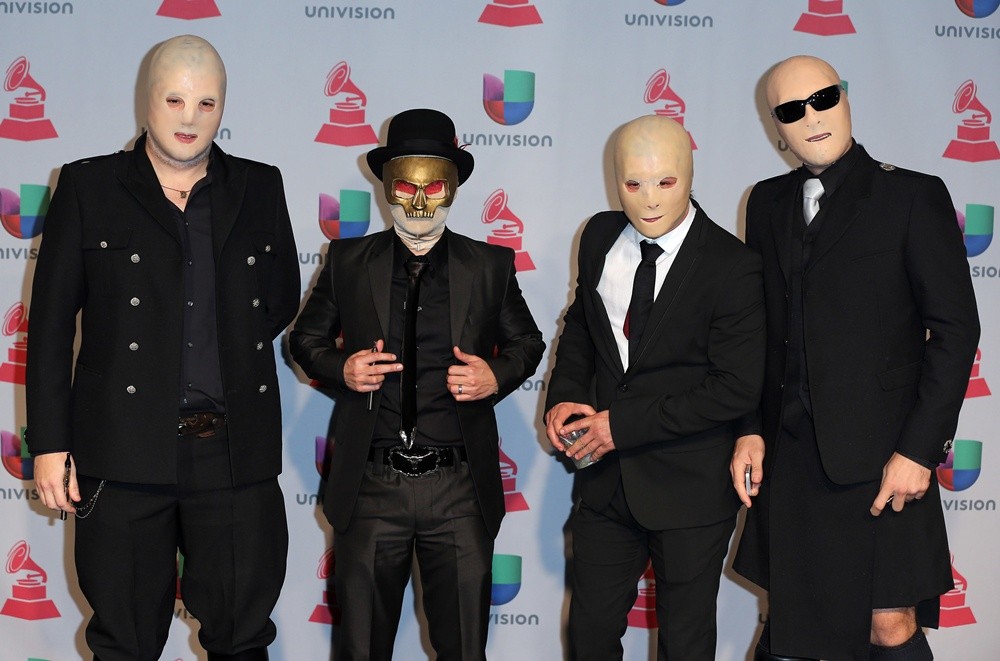
A Band of Bitches
The Latin Grammys 2013
Nov 21, 2013
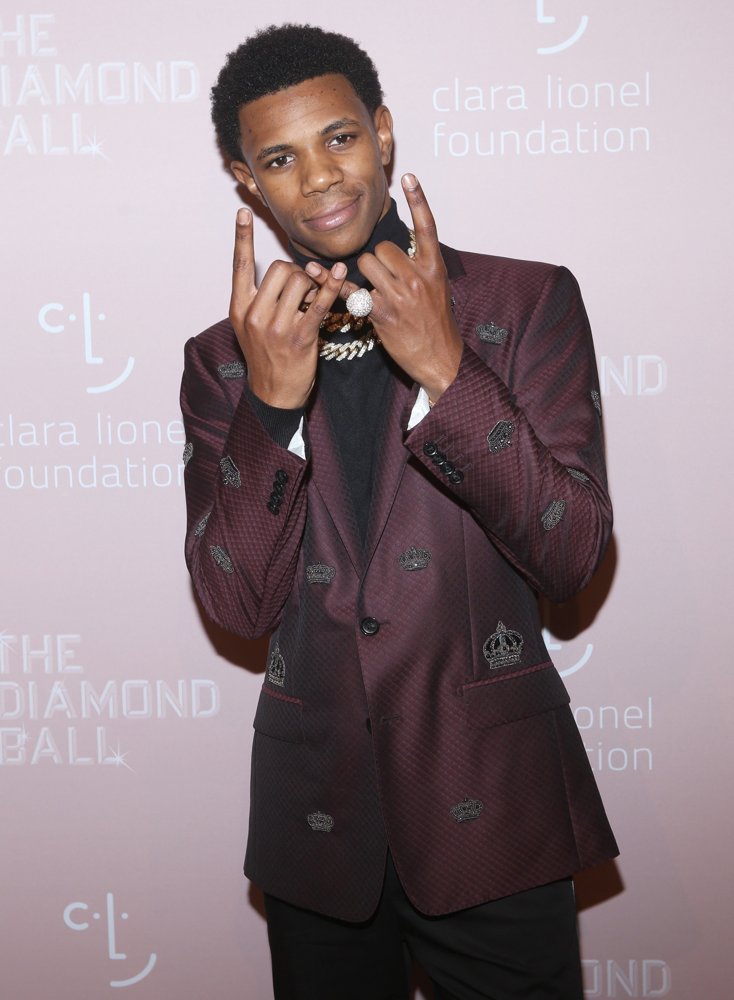
A Boogie Wit Da Hoodie
Rihanna's 4th Annual Diamond Ball
Sep 13, 2018
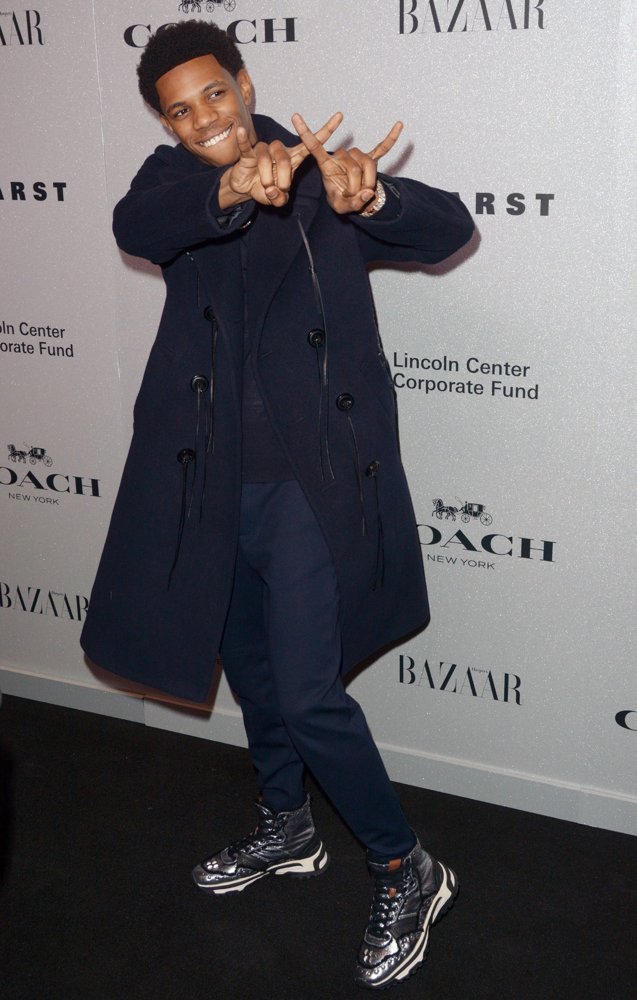
A Boogie Wit Da Hoodie
Lincoln Center Fashion Gala - An Evening Honoring Coach
Nov 29, 2018
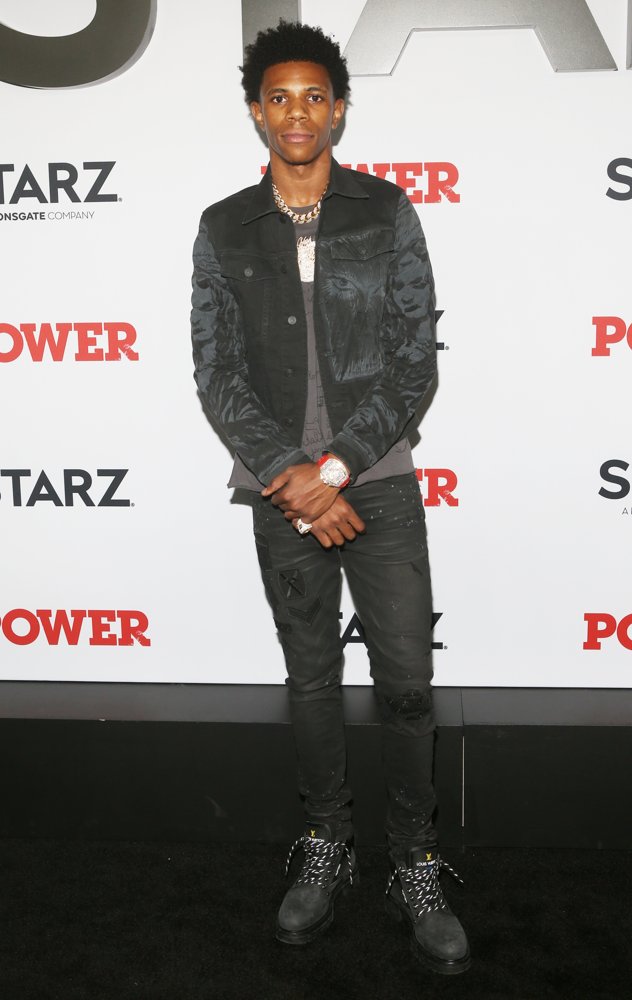
A Boogie Wit Da Hoodie
STARZ Red Carpet Event for Power Final Season World Premiere
Aug 20, 2019

A Fine Frenzy
2014 Entertainment Weekly Pre-Emmy Party - Arrivals
Aug 23, 2014
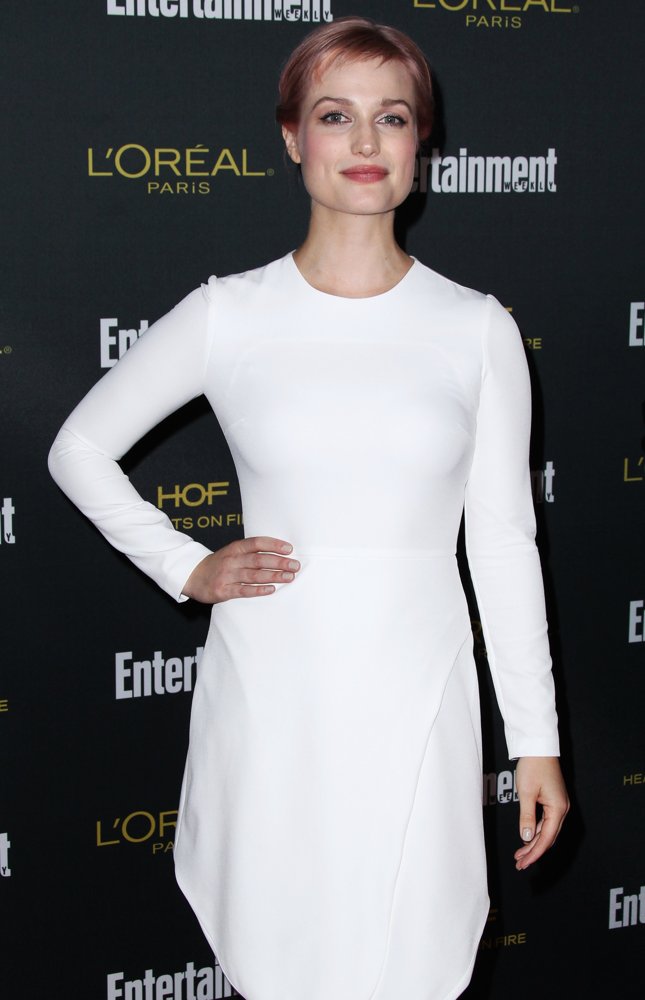
A Fine Frenzy
2014 Entertainment Weekly Pre-Emmy Party - Arrivals
Aug 23, 2014




⭐Featured Celebrities