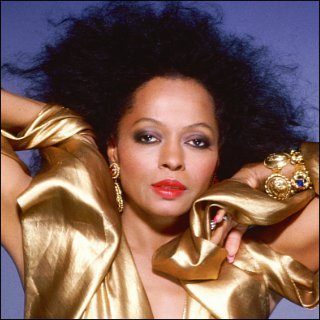
 Diana Ross is an iconic American singer and actress, widely recognized as the "Queen of Motown." Born Diane Ernestine Earle Ross on March 26, 1944, in Detroit, Michigan, she rose to fame as the lead singer of the vocal group the Supremes, which became Motown's most successful act during the 1960s. The Supremes are celebrated as one of the best-selling girl groups of all time, holding the record for the most number-one singles by a female group in U.S. history, with a remarkable total of twelve number-one hits on the Billboard Hot 100.
Diana's early life was marked by a strong musical influence. She was raised in a family that appreciated music, and her passion for singing developed at a young age. After graduating from high school, she joined the Primettes, which later became the Supremes. Under the guidance of Motown founder Berry Gordy, the group released a string of hits, including "Where Did Our Love Go" and "Baby Love," establishing themselves as a dominant force in the music industry.
In 1970, Ross departed from the Supremes to pursue a solo career, which proved to be equally successful. Her self-titled debut album, released the same year, marked the beginning of a new chapter in her career. Over the next decade, she released several top ten albums, with "Diana," released in 1980, becoming her most commercially successful studio album. Throughout her solo career, she achieved twelve top ten singles, including classics such as "Ain't No Mountain High Enough," "Touch Me in the Morning," and "Endless Love." Ross was known for her ability to blend R&B with pop, creating timeless music that resonated with audiences around the world.
In addition to her musical achievements, Ross made a significant impact in film. Her portrayal of legendary jazz singer Billie Holiday in the film Lady Sings the Blues earned her a Golden Globe Award and an Academy Award nomination, marking her as the first African-American actress to receive an Oscar nomination for a debut performance. The film's soundtrack became her first solo album to reach number one on the U.S. Billboard 200. She further showcased her acting talents in films such as Mahogany and The Wiz, as well as in television projects like Out of Darkness and Double Platinum.
Diana Ross's contributions to the entertainment industry have been widely recognized. In 1976, she was named the "Female Entertainer of the Century" by Billboard. Over her career, she has sold over 100 million records globally and achieved eighteen number one U.S. singles. In 1988, she was inducted into the Rock and Roll Hall of Fame as a member of the Supremes. Additionally, she has received numerous accolades, including a Special Tony Award, the Kennedy Center Honors, and the Grammy Lifetime Achievement Award, which she received twice—once as a solo artist and again as a member of the Supremes.
Today, Diana Ross remains a prominent figure in music and culture, continuing to perform and inspire new generations of artists. Her legacy as a trailblazer in the music industry and her contributions to both music and film solidify her status as one of the most influential entertainers of all time.
⭐
Similar Celebrities


📷
Recent Photos

Brandi Glanville
Brandi Glanville Hosts The 3rd Annual TAO Beach Luau with Hpnotiq
Jul 28, 2012

Brandi Glanville
Brandi Glanville Hosts The 3rd Annual TAO Beach Luau with Hpnotiq
Jul 28, 2012

Brandi Glanville
Brandi Glanville Hosts The 3rd Annual TAO Beach Luau with Hpnotiq
Jul 28, 2012
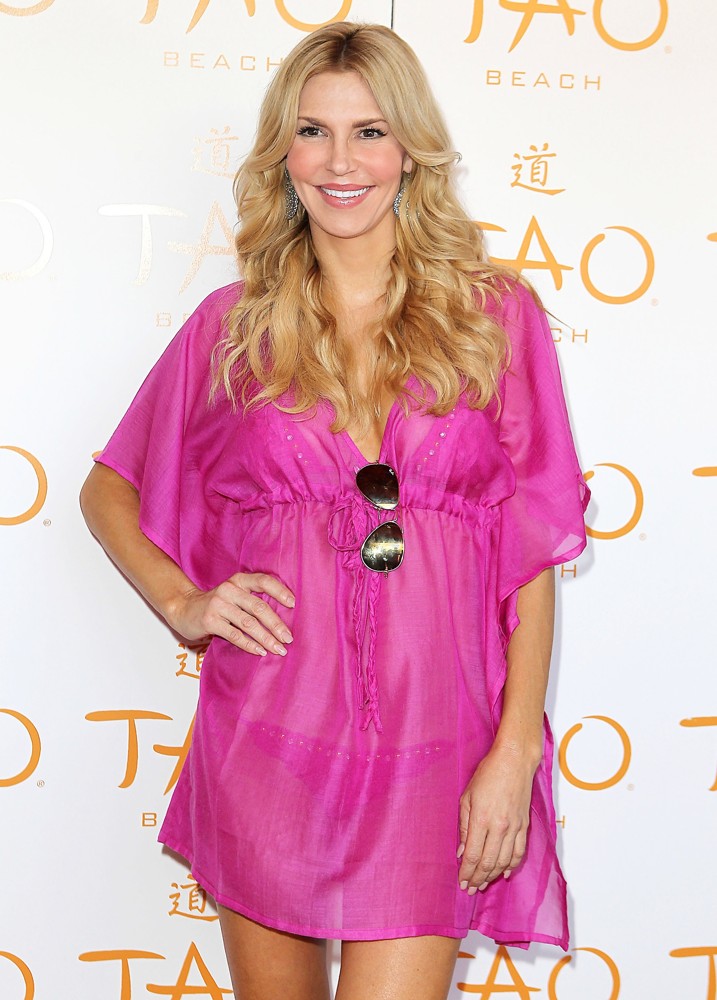
Brandi Glanville
Brandi Glanville Hosts The 3rd Annual TAO Beach Luau with Hpnotiq
Jul 28, 2012

Brandi Glanville
Brandi Glanville Hosts The 3rd Annual TAO Beach Luau with Hpnotiq
Jul 28, 2012

Brandi Glanville
Brandi Glanville Hosts The 3rd Annual TAO Beach Luau with Hpnotiq
Jul 28, 2012





⭐Featured Celebrities