 Robert Frederick Zenon Geldof, born on October 5, 1951, is an Irish singer-songwriter, political activist, television producer, and entrepreneur whose influence extends far beyond the realm of popular music. He first rose to prominence in the late 1970s as the charismatic lead singer of the Irish rock band the Boomtown Rats, a group that became a defining force in the punk rock movement. With his sharp wit, confrontational stage presence, and keen sense of social commentary, Geldof helped steer the band to remarkable success, particularly in the United Kingdom, where they achieved two number one hits with his co-compositions "Rat Trap" and "I Don't Like Mondays," the latter inspired by a tragic school shooting and showcasing his ability to channel dark subject matter into chart-topping pop.
Beyond his musical career, Geldof demonstrated his range as an artist by starring as the troubled rock star Pink in the 1982 cinematic adaptation Pink Floyd – The Wall, a role that allowed him to explore themes of alienation and mental anguish on a grand scale. However, it is his humanitarian work that has come to define his legacy. In 1984, galvanized by devastating famine in Ethiopia, Geldof and fellow musician Midge Ure organized the charity supergroup Band Aid, co-writing the best-selling single "Do They Know It's Christmas?" The song's massive success laid the groundwork for the monumental Live Aid charity concerts in 1985, which Geldof and Ure orchestrated to raise funds for famine relief. The event, broadcast globally to an estimated audience of 1.9 billion, remains one of the most significant philanthropic undertakings in entertainment history and cemented Geldof's status as a tireless advocate for Africa. He reprised this model in 2005 with the Live 8 concerts, which aimed to pressure world leaders to address poverty and debt in Africa, and he continues to serve as an adviser to the ONE Campaign, co-founded by fellow Irish activist and rock icon Bono, as well as a member of the Africa Progress Panel, a group of distinguished individuals advocating for equitable and sustainable development on the continent.
Geldof's contributions have been recognized with numerous honors, including an honorary knighthood (KBE) bestowed by Queen Elizabeth II in 1986, a distinction that has led to his informal title of "Sir Bob" despite his Irish citizenship. He has also received the Man of Peace title for his outstanding contributions to international social justice and peace, and in 2005, he was honored with the Brit Award for Outstanding Contribution to Music. While his outspoken nature and sometimes controversial methods have drawn criticism over the years, his impact on global philanthropy and his enduring presence in both music and activism remain undeniable, marking him as a singular figure who has continually used his platform to effect change on a worldwide scale.
⭐
Similar Celebrities

📷
Recent Photos
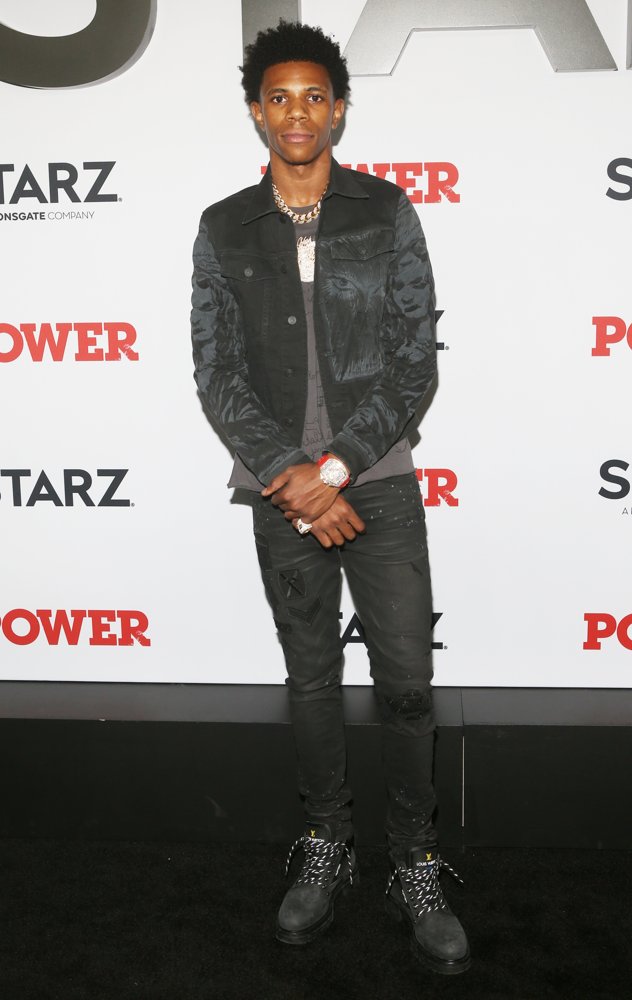
A Boogie Wit Da Hoodie
STARZ Red Carpet Event for Power Final Season World Premiere
Aug 20, 2019
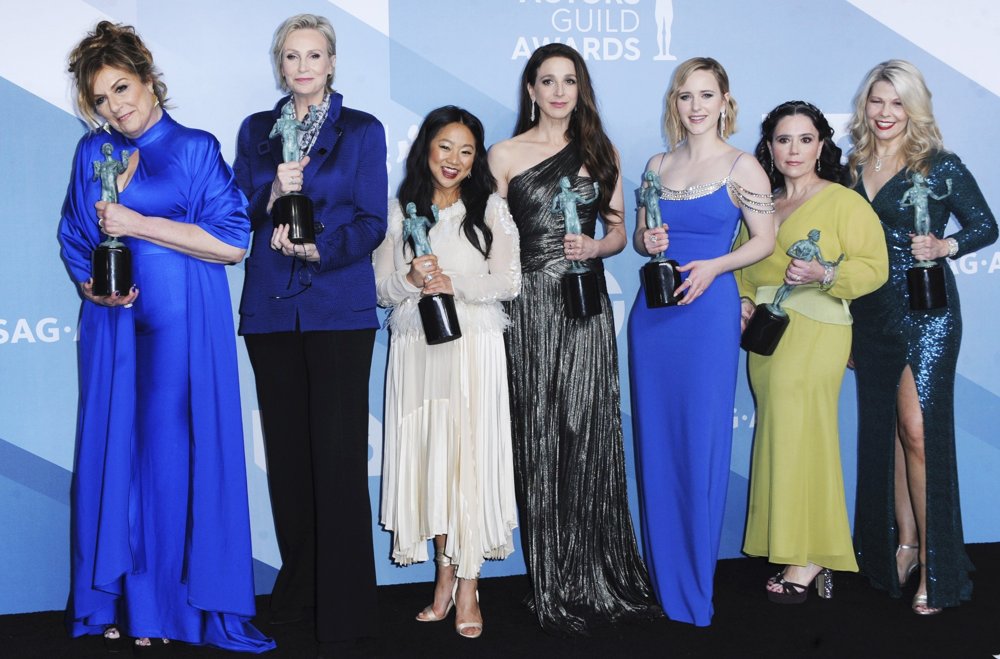
Caroline Aaron
26th Annual SAG Awards - Press Room
Jan 19, 2020
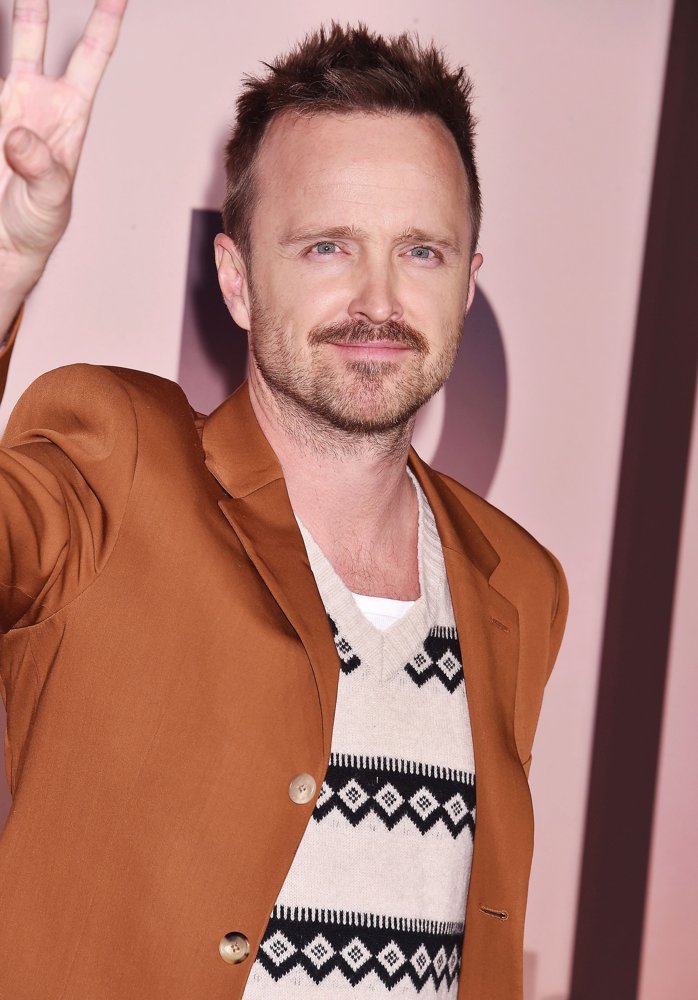
Aaron Paul
Premiere of HBO's Westworld Season 3 - Arrivals
Mar 5, 2020
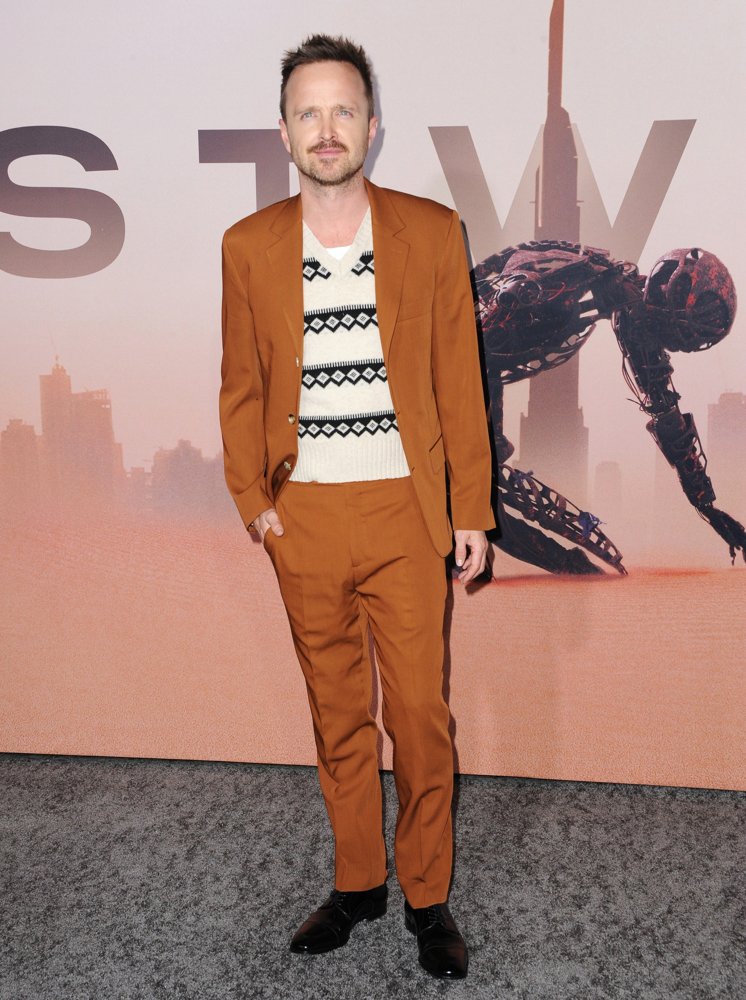
Aaron Paul
Premiere of HBO's Westworld Season 3 - Arrivals
Mar 5, 2020

Abbie Quinnen
UK Screening of The Hitman's Wife's Bodyguard
Jun 14, 2021
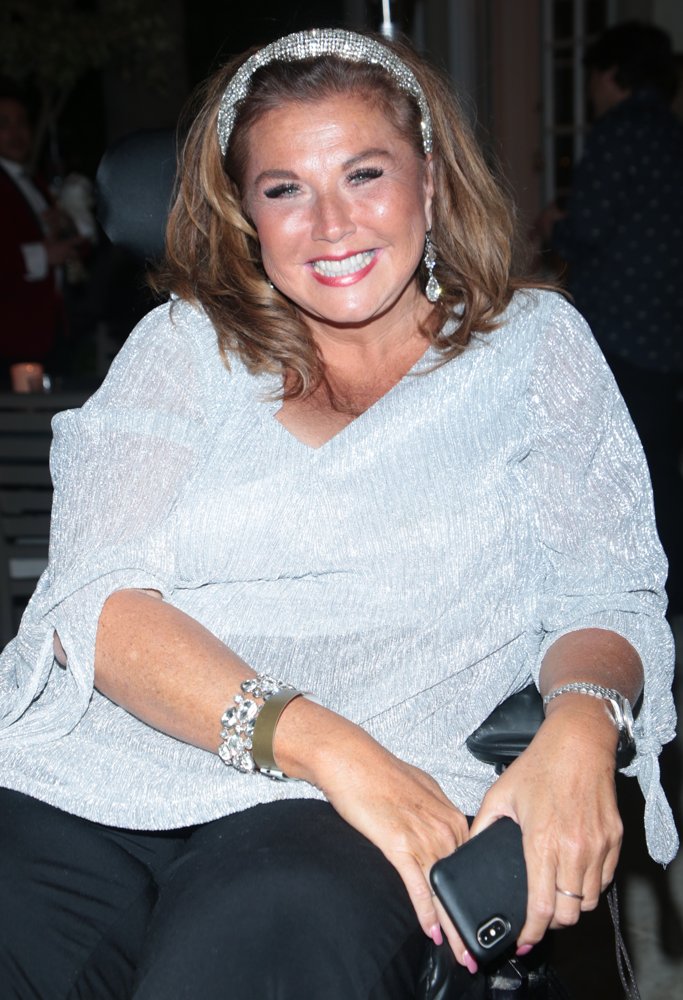
Abby Lee Miller
Abby Lee Miller Seen for Oscar's Night
Apr 25, 2021

⭐Featured Celebrities