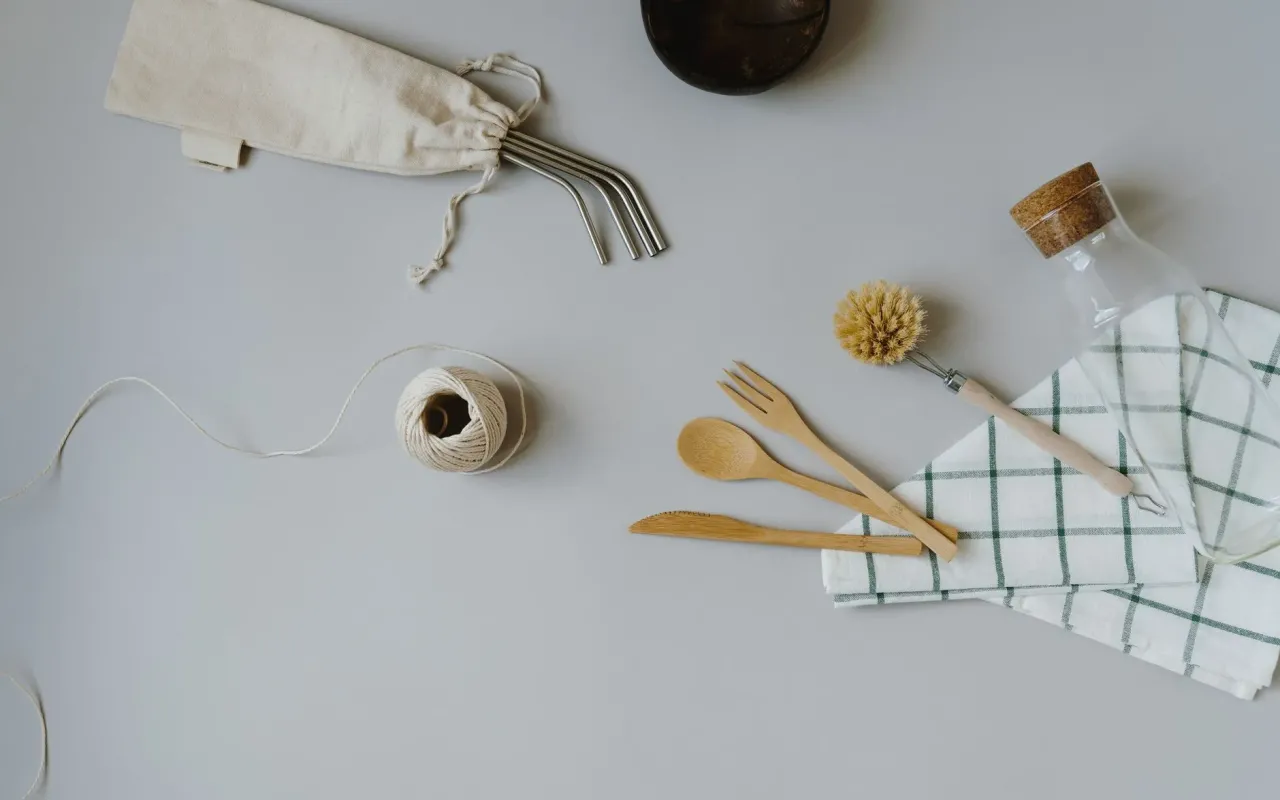
Ditch single-use plastics without breaking the bank. Learn practical, low-cost swaps to start a zero waste kitchen today—no fancy gear required.
- August 13, 2026
AceShowbiz - Last year, I watched a documentary that showed a family of four generating only one mason jar of trash per year. I was equal parts inspired and horrified—horrified because my own kitchen bin was overflowing with plastic wrap, produce bags, and takeout containers. I told myself I'd go zero waste "someday," but the Instagram-perfect setups with $80 glass jars and custom bamboo drawers felt like a rich person's hobby. Then I realized something: the original zero waste movement started with people who had nothing, not with people who had everything. The most sustainable kitchen isn't the one that looks like a minimalist magazine spread; it's the one that uses what it already has until it falls apart.
The good news is that starting a zero waste kitchen on a budget isn't about buying your way to enlightenment. It's about subtracting, not adding. You don't need a single new product to begin—you need to change how you shop, store, and cook. Based on my own trial-and-error journey (including a spectacularly failed attempt at making beeswax wraps that glued my countertop together), I've broken down the most impactful, wallet-friendly changes you can make this week.
Rethink Your Shopping List Before You Even Leave the House
Your zero waste journey doesn't start at the grocery store; it starts in your pantry. Before you step foot in any shop, take a hard look at what you're actually throwing away. In the US, the average household tosses out about $1,500 worth of food annually—that's not just waste, that's cash in the landfill. The easiest budget-friendly step is meal planning around what you already own. Pick three recipes that use overlapping ingredients, and write a list that covers only those items. This single habit can cut your food waste by up to 40%.
When you do shop, choose the bulk bins over packaged goods. Contrary to popular belief, buying bulk is often 10-30% cheaper than buying the same item in a bag or box. You don't need fancy glass jars to start; bring your old pasta sauce jars, pickle jars, or even reusable produce bags you've accumulated. At the checkout, simply ask the cashier to tare the container weight before you fill it. If your store doesn't have bulk bins, buy the largest size of pantry staples you can afford—bigger packaging usually means less plastic per ounce of food.
Here's the actionable takeaway: dedicate 15 minutes this Sunday to inventorying your pantry and fridge. Write down the top five items you waste most often (for me, it was wilted herbs and half-used bags of shredded cheese). Then, plan your next week's meals around using those items first. You'll save money immediately and reduce your trash output without buying a single "eco" product.
Ditch the Plastic Wrap and Bags (Without Buying Fancy Gear)
Plastic wrap is the single most infuriating item in a standard kitchen. It's clingy, it tears, and it ends up in the ocean. But you don't need to spend $20 on a beeswax wrap kit to replace it. The cheapest alternative is the "bowl cover" method: simply place a plate upside down on top of the bowl, or use a shower cap (the kind you get from hotels) to stretch over containers. I've been using the same three shower caps for two years—they're free, washable, and work perfectly for covering rising dough or leftover soup.
For storing vegetables, ditch the plastic produce bags entirely. You don't need a $15 mesh bag set; you can use the thin cotton pillowcases you no longer use, or simply leave loose vegetables in the fridge crisper drawer. The key is to store vegetables properly: leafy greens wrapped in a damp kitchen towel last up to two weeks longer than those suffocating in plastic. Carrots and celery stay crisp in a closed glass jar with a bit of water at the bottom. These methods cost zero dollars and require zero new purchases.
When you absolutely need a disposable bag (like for freezing bread or raw meat), reuse the bread bags and cereal liners you already have. Wash and dry them, and keep a stash under the sink. This is the "use what you have" principle in action. The practical tip here: stop buying plastic wrap and sandwich bags today. Replace them with your existing stash of containers, plates, and fabric. You'll save roughly $50 a year and eliminate hundreds of pieces of plastic from your waste stream.
Master the Art of the "Scrap Stock" and "Ugly" Cooking
Food waste is the heaviest item in your trash bin, and it's also the most avoidable. The average family throws away around 25% of the food they buy, and that's largely because we're conditioned to think "perfect" produce is the only edible produce. Start by embracing ugly vegetables—the bent carrot, the oddly shaped potato. They're usually 20-50% cheaper and taste identical. My local grocery store has a "misfit" bin, and I've cut my produce bill by a third just by shopping there.
Next, implement the "scrap stock" system. Keep a large reusable container (or just a big bowl) in your freezer. Every time you chop onions, carrots, celery, or garlic, toss the peels and ends into that container. When it's full, dump the scraps into a pot, cover with water, and simmer for an hour. You've just made free vegetable stock that costs nothing and uses up what you'd normally trash. This one habit can replace buying boxed stock (which comes in plastic-lined cartons) and save you $3-5 per week.
For fruit scraps, apple peels and cores can become a simple infused vinegar or a natural cleaner. Citrus peels can be candied or used to deodorize your garbage disposal. The actionable takeaway here is to set up your freezer container today. Label it "Stock Scraps" and commit to using it for one week. You'll be shocked at how much "waste" is actually free flavor just waiting to be extracted.
Swap Single-Use Cleaning Products for DIY Power
The zero waste kitchen isn't just about food; it's about the chemicals and paper products you use to clean it. Paper towels are a huge expense and a massive source of waste—the average household uses about 2,900 of them per year. Instead of buying "eco-friendly" paper towels (which are still single-use), cut up an old t-shirt into rags. I keep a stack of these rags in a drawer under the sink, and I wash them with my towels each week. They work better than paper towels for spills, they're free, and they never run out.
For cleaning solutions, stop buying a different spray for every surface. A single spray bottle filled with a 50/50 mix of white vinegar and water handles countertops, glass, and most spills. For tough grease, sprinkle baking soda on the surface and spray with the vinegar mix—the fizzing action lifts grime without scratching. A small box of baking soda costs $1 and lasts months. You can also make a simple abrasive scrub by mixing baking soda with a few drops of dish soap.
Here's the practical tip: don't throw away your current cleaning products. Use them up first, then replace them with these DIY versions. The transition is gradual, so your budget doesn't take a hit all at once. And for dishwashing, switch to a bamboo brush or a wooden brush with replaceable heads—they're about $5 and last a year, compared to plastic sponges that harbor bacteria and need replacing monthly.
Invest in the "Big Three" Only When Your Old Stuff Dies
There's a misconception that going zero waste requires an upfront investment of $200 for glass containers, stainless steel lunchboxes, and a fancy compost bin. That's nonsense. The most budget-friendly approach is the "replace when broken" rule. If your plastic Tupperware is still intact, keep using it. When it cracks or stains beyond repair, then—and only then—replace it with a glass or stainless steel version from a thrift store. Thrift stores are goldmines for glass Pyrex containers, often costing $1-2 each.
However, there are three items worth buying new if you don't have them: a good stainless steel water bottle, a reusable coffee cup, and a set of metal or bamboo utensils. These are the items that replace the most single-use waste per dollar. A $20 stainless steel bottle replaces hundreds of plastic bottles per year. A $10 insulated mug replaces disposable coffee cups and lids. A $5 utensil set (or just a fork and spoon from home) eliminates plastic cutlery from takeout. These three purchases pay for themselves in under two months.
The actionable takeaway: make a list of your current kitchen gear. Circle the items that are cracked, broken, or irreparably stained. Commit to replacing only those with sustainable versions, sourced from thrift stores first. Resist the urge to buy a matching set of anything. Your kitchen doesn't need to look curated; it needs to function without creating more waste.
Compost Without the Fancy Bin (Even in an Apartment)
Composting is the final frontier of the zero waste kitchen, and it's the one most people skip because they think they need a backyard and a $150 tumbler. You don't. If you have a small balcony or even a sunny windowsill, you can start a simple worm bin (vermicomposting) for under $30. A plastic storage tub, some shredded newspaper, and a pound of red wiggler worms from a local garden center or online supplier is all you need. Worms eat your vegetable scraps and produce nutrient-rich castings for your houseplants or garden.
If worms gross you out, try the "freezer compost" method. Keep a bag in your freezer for all food scraps (except meat and dairy). When the bag is full, take it to a local community garden or farmers market that accepts compost drops. Many cities now have free food scrap drop-off sites—check your local municipality's website. This costs zero dollars and keeps organic waste out of the landfill, where it would otherwise produce methane gas.
The practical tip for apartment dwellers: don't overcomplicate it. You don't need a fancy countertop composter that costs $100. A simple metal bowl with a lid on your counter collects scraps for the day, and you transfer them to the freezer at night. This prevents fruit flies and odors without any special gear. Start with just eggshells, coffee grounds, and vegetable peels—the easiest items to compost. Within a month, you'll notice your trash volume drops by a third, and you'll feel a weird sense of pride every time you feed your worms.
Starting a zero waste kitchen is not about perfection; it's about progress. You will still buy something in plastic sometimes, and that's okay. The goal is to reduce your impact without reducing your quality of life or your bank account. By focusing on these five areas—smart shopping, reusable storage, scrap cooking, DIY cleaning, and simple composting—you'll cut your household waste by at least 50% within three months, and you'll save money doing it. The best part? You already own 90% of what you need. The future of sustainable living isn't in a shiny catalog; it's in the rags under your sink and the jar of scraps in your freezer.