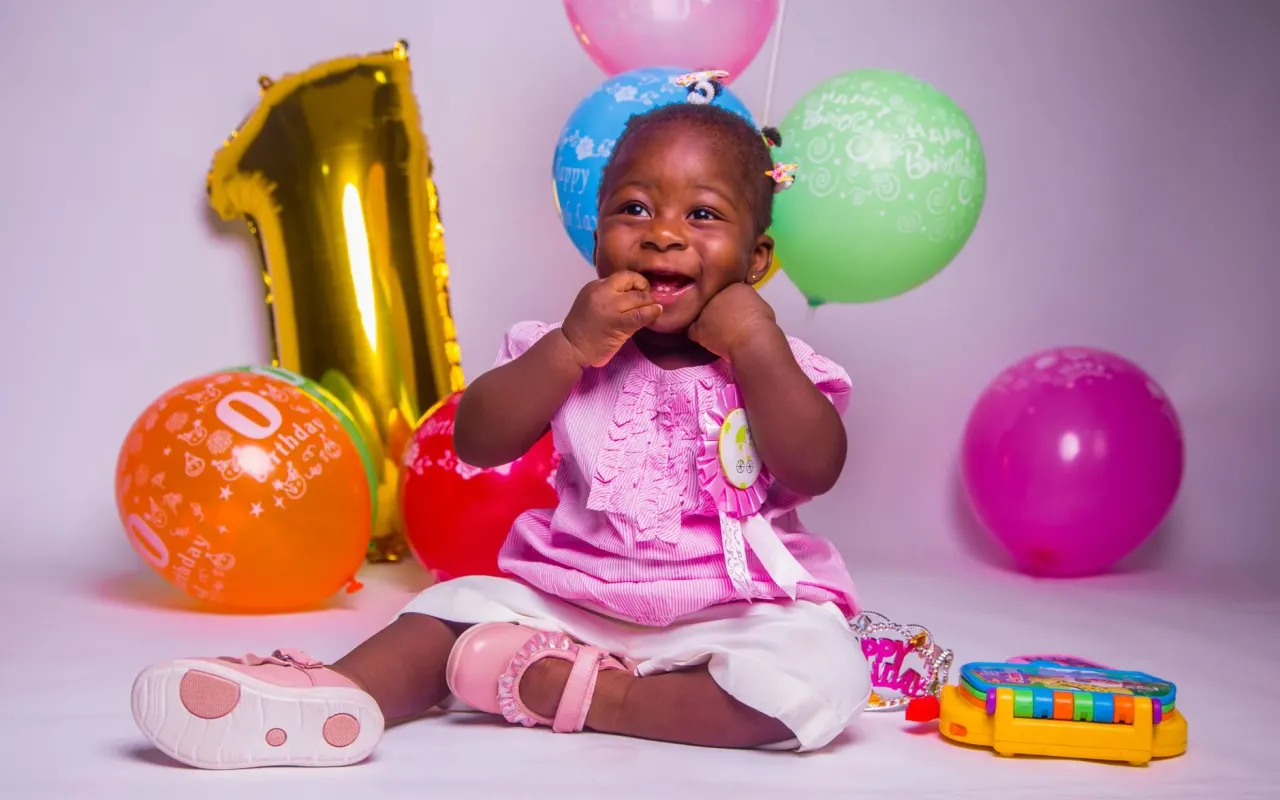
Forget the checklist anxiety. Here's what 12-month milestones really look like, when to worry, and how to support your toddler without pressure.
- June 24, 2026
The Month That Changes Everything
You blink, and suddenly your baby isn't a baby anymore. One day they're content lying on a play mat, and the next they're pulling up on the coffee table, pointing at the dog, and dropping food on the floor with deliberate glee. The first birthday isn't just a cute photo op—it's a developmental explosion that can leave parents both exhilarated and exhausted.
Here's the honest truth: milestone charts you see online are averages, not deadlines. Your one-year-old doesn't know they're supposed to be walking by now, and they certainly don't care. But understanding what's typical—and what's a red flag—helps you support them without turning parenting into a performance review.
By the end of this article, you'll know exactly which milestones matter most, how to encourage them naturally, and when to call your pediatrician. No guilt trips, no comparisons to your friend's kid who was already reciting Shakespeare at 13 months. Just real, practical guidance for the messy, magical year ahead.
Gross Motor Skills: From Crawling to Cruising (and Maybe Walking)
Gross motor development at 12 months is all about gaining independence through movement. Most one-year-olds can pull themselves to stand while holding onto furniture—a skill called "cruising." They might take a few tentative steps while holding your hands, and some brave souls will let go and wobble across the room like tiny drunk penguins.
But here's what nobody tells you: the range of normal is huge. According to the CDC's updated milestones, walking independently can happen anywhere from 9 to 16 months. Your neighbor's kid who walked at 10 months isn't a genius, and your kid who's still crawling at 13 months isn't behind. What matters is progression—are they pulling up? Cruising? Showing interest in standing?
How to Support Gross Motor Skills Without Pushing
The best thing you can do is create a safe, open space for practice. Move the coffee table if it has sharp corners. Put pillows on the floor. Let your toddler cruise along the couch while you sit nearby, offering a finger for balance but not forcing them to walk.
One practical tip: avoid walkers (the sit-in kind with wheels). They're actually banned in Canada because they delay walking and cause injuries. Instead, use push toys like a sturdy wooden cart or a laundry basket filled with soft toys. Your child will naturally push it while walking, building balance and confidence on their own terms.
If your one-year-old isn't pulling to stand by 14 months or isn't walking by 18 months, check with your pediatrician. But if they're cruising and seems strong, you're likely fine. Trust the process—and your gut.
Fine Motor Skills: The Pincer Grasp and the Joy of Destruction
Around 12 months, your child's hands become tiny tools of precision. The pincer grasp—using thumb and forefinger to pick up small objects—usually solidifies between 9 and 12 months. You'll see them pick up a single Cheerio, examine it like a tiny scientist, then drop it on purpose just to watch you pick it up again.
This is also the age of the "release" skill, which sounds boring but is actually hilarious. Your one-year-old will deliberately drop toys from their high chair, then look at you with a mix of curiosity and mischief. They're not being naughty—they're learning cause and effect, gravity, and object permanence. Every drop is a tiny experiment.
Practical Activities for Fine Motor Development
You don't need fancy Montessori toys. A plastic container with a lid and some large pom-poms? Instant engagement. Show your toddler how to put the pom-poms in the container, then take them out. Stacking blocks (just 2-3 at this age) builds hand-eye coordination. Crayons are great, but expect scribbles, not masterpieces—and expect the crayons to end up in their mouth at least once.
One actionable takeaway: offer finger foods that require picking up, like soft peas, small pieces of cooked carrot, or shredded cheese. This turns snack time into a fine motor workout. Just supervise closely to prevent choking—anything smaller than a grape should be cut into safe sizes.
If your one-year-old isn't using a pincer grasp by 14 months or seems to favor one hand exclusively before 18 months, mention it to your doctor. But most kids develop at their own pace, and the "messy tray" phase is completely normal.
Language and Communication: First Words, Gestures, and the Power of Pointing
At 12 months, your child is absorbing language like a sponge. They understand far more than they can say—receptive language (what they understand) typically outpaces expressive language (what they say) by months. Most one-year-olds can say one to three words clearly, like "mama," "dada," "baba" for bottle, or "uh-oh" when they drop something.
But the real milestone here isn't just words—it's intentional communication. Your one-year-old should be pointing at things they want, waving bye-bye, shaking their head for "no," and making eye contact when they "talk" to you. This is called joint attention, and it's a cornerstone of social development.
How to Boost Language Without Flashcards
Narrate your day like you're the host of a cooking show. "I'm putting your blue cup on the table. Now I'm opening the fridge. Do you want some yogurt?" This constant stream of language helps them connect words to objects and actions. Read board books with simple pictures and name what you see. Sing songs with gestures, like "Itsy Bitsy Spider."
One critical tip: respond to their sounds and gestures enthusiastically. If they point at a dog, say, "Yes, that's a dog! The dog says woof woof." This reinforces that their communication matters and encourages more attempts. Avoid correcting their pronunciation—saying "daw" for dog is fine at this age.
The CDC recommends checking in with your pediatrician if your child isn't using gestures like pointing or waving by 12 months, or if they haven't said any single words by 15 months. But remember, language explosions often happen between 15 and 18 months, so a quiet 12-month-old isn't necessarily delayed.
Social and Emotional Milestones: Separation Anxiety and the Rise of Independence
Welcome to the emotional rollercoaster of toddlerhood. Around 12 months, separation anxiety often peaks. Your child may cry when you leave the room, cling to your leg at drop-off, or refuse to be held by Grandma. This isn't regression—it's a sign of healthy attachment. They understand you exist even when you're gone, and they don't like it.
At the same time, your one-year-old is discovering their own agency. They'll push your hand away when they want to feed themselves, scream when you put them in the car seat, and show clear preferences for certain toys or foods. This is the beginning of the "terrible twos," but really it's just a toddler learning they have a say in their world.
Navigating Separation Anxiety and Fostering Independence
Short, predictable goodbyes work best. When leaving your child with a caregiver, hand them over confidently, say "I'll be back after your nap," and leave without lingering. Dragging it out makes the anxiety worse. Practice short separations at home—play peek-a-boo, hide behind a door for a few seconds, then reappear with a big smile.
Offer choices that matter: "Do you want the red cup or the blue cup?" "Should we read the bunny book or the truck book?" This gives them a sense of control without overwhelming them. Avoid asking open-ended questions like "What do you want to eat?"—that's too much for a one-year-old brain.
If your child shows no interest in interacting with others, doesn't respond to their name, or avoids eye contact consistently, bring it up with your pediatrician. But typical separation anxiety is completely normal and usually eases by 18-24 months.
Cognitive Development: Object Permanence, Imitation, and Problem-Solving
Your one-year-old's brain is a tiny supercomputer. Around this age, they fully grasp object permanence—the idea that things exist even when hidden. That's why peek-a-boo is suddenly hilarious, and why they'll search for a toy you've hidden under a blanket. They know it's there, and they want it back.
Imitation becomes a powerful learning tool. Watch your toddler copy your actions: brushing their hair with a toy brush, pretending to talk on a phone, or "feeding" a stuffed animal. This is the foundation of pretend play, which will explode in the next six months.
Simple Games That Build Cognitive Skills
Hide a toy under one of two cups and let them find it. Stack blocks and let them knock them down. Play "where's the ball?" by rolling it behind a pillow. These games teach memory, cause and effect, and problem-solving—all while you're having fun together.
One practical tip: introduce simple puzzles with large knobs. Your one-year-old won't solve them perfectly, but the act of trying to fit a shape into a hole builds spatial reasoning. Praise the effort, not the outcome. "You tried so hard to put the circle in—good job!"
If your child seems disinterested in toys, doesn't search for hidden objects, or doesn't imitate simple actions by 15 months, talk to your doctor. But most one-year-olds are naturally curious and will engage if you make it playful.
When to Worry and When to Wait
Every child develops differently, and most variations are normal. But there are some signs that warrant a call to your pediatrician. The CDC's "Learn the Signs. Act Early." program suggests checking in if your one-year-old:
- Doesn't crawl or pull to stand
- Doesn't point at things or wave bye-bye
- Doesn't say any single words like "mama" or "dada"
- Loses skills they once had (like babbling or walking)
- Doesn't respond to their name consistently
Trust your instincts. You know your child better than any checklist. If something feels off, ask for a developmental screening. Early intervention is incredibly effective, and getting help early can make a huge difference.
At the same time, don't panic if your 12-month-old isn't walking yet or only says one word. The range of normal is wide, and many kids take their time. Your job isn't to rush them—it's to create a safe, loving environment where they feel confident to explore.
The Bottom Line: Milestones Are a Guide, Not a Grade
Your one-year-old is on their own unique journey. They'll walk when they're ready, talk when they have something to say, and master fine motor skills one Cheerio at a time. Your role is to be their cheerleader, their safe base, and their guide—not their coach.
Celebrate the small victories: the first wobbly step, the first clear word, the moment they point at the moon and look at you with wonder. These are the milestones that matter most. And when you're exhausted from chasing a toddler who suddenly has opinions about everything, remember: this phase is short, intense, and absolutely precious.
You've got this. And so does your one-year-old.