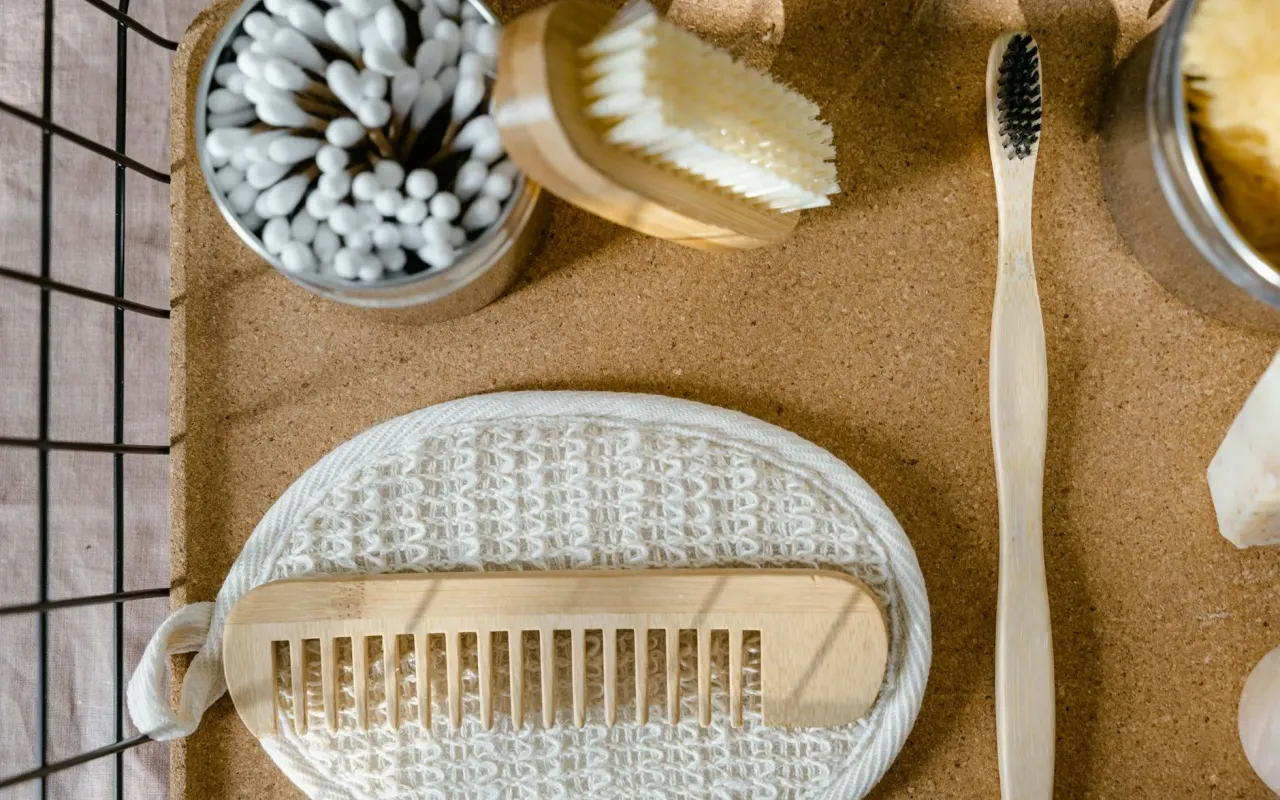
Ditch plastic bottles and packaging in your bathroom with these realistic, affordable swaps that reduce waste without sacrificing quality or convenience.
- May 1, 2026
AceShowbiz - You know that moment when you look at your shower shelf and realize it looks like a plastic bottle convention? I had mine last year, counting 17 different containers—shampoo, conditioner, body wash, face wash, shaving cream, and more. The worst part? Most of those bottles would spend 400+ years in a landfill after just a few weeks of use. That statistic from the EPA isn't meant to guilt-trip you; it's just reality. The good news is that swapping out bathroom plastics doesn't require a complete lifestyle overhaul or a trust fund. You can start with one product, see how it feels, and build from there. Let me walk you through the swaps that actually hold up in real life—not just in Instagram-perfect zero-waste photos.
Why Your Bathroom Is a Plastic Nightmare (and Why It Matters)
The average American bathroom produces about 2.5 pounds of plastic waste per month, according to a 2022 study by the Plastic Pollution Coalition. That might not sound like much until you multiply it by 12 months—that's 30 pounds of plastic per person per year, just from hygiene routines. And unlike kitchen plastic, which often gets recycled (though not always), bathroom plastic has a dirty secret: most of it isn't recyclable at all. Shampoo bottles, toothpaste tubes, and lotion pumps are made from mixed materials that recycling facilities can't process.
So where does it all go? Landfills, incinerators, or the ocean. A 2026 report from the Ocean Conservancy found that personal care packaging accounts for roughly 7% of all plastic waste found on beaches worldwide. That's not just an environmental headline—it's a direct result of choices we make every morning. The "so what?" here is that your bathroom routine isn't as private as you think. Every plastic bottle you toss in the trash is someone else's problem, somewhere down the line.
But here's the practical part: you don't need to replace everything at once. The goal isn't perfection; it's reduction. Start with the items you use most frequently—shampoo, soap, toothpaste—and swap one at a time. You'll save money in the long run, reduce your carbon footprint, and probably discover that the plastic-free alternatives work just as well, if not better.
Shampoo and Conditioner: Bars Beat Bottles Every Time
Shampoo bars have come a long way from the chalky, latherless disappointments of the early 2000s. Brands like Ethique, HiBAR, and Lush now produce bars that rival any liquid shampoo in performance. The key difference? No water. Liquid shampoos are about 80% water, which means you're paying to ship heavy bottles of mostly nothing. A single shampoo bar replaces roughly three 12-ounce bottles, according to Ethique's lifecycle analysis.
Finding the Right Bar for Your Hair Type
If you have oily hair, look for bars with clay or citrus oils—they absorb excess sebum without stripping your scalp. Dry or curly hair benefits from bars with shea butter or cocoa butter, which add moisture without weighing strands down. I have fine, straight hair that gets greasy by day two, and I was skeptical. But after trying HiBAR's volumizing bar (which uses coconut oil and rice protein), I noticed my hair actually had more body and less buildup. The transition period is real—your scalp needs about two weeks to adjust to sulfate-free formulas—but once it does, you'll wonder why you ever dealt with slippery bottles.
Actionable tip: Store your shampoo bar on a draining soap dish, not directly on a wet ledge. A soggy bar disintegrates in weeks; a dry one lasts two to three months. That's roughly the same cost as a mid-range liquid shampoo, but without the plastic. If you travel, grab a metal tin—most bars fit perfectly and don't leak through your luggage.
Body Wash and Soap: The Bar Soap Renaissance
Remember when bar soap was considered "old person" or "basic"? That stigma is fading fast, and for good reason. Liquid body wash requires plastic pumps and bottles, while bar soap typically comes in paper or cardboard packaging. But not all bar soaps are created equal. The mass-produced ones from drugstores often contain synthetic fragrances and detergents that strip your skin's natural barrier. Instead, look for cold-process soaps made with oils like olive, coconut, and shea butter—they're gentler and last longer.
I switched to bar soap about 18 months ago, and the difference surprised me. My skin stopped feeling tight after showers, and I no longer needed lotion as often. The cost per bar varies widely—$4 for a basic Dr. Bronner's bar to $12 for artisanal versions with essential oils. But a good bar lasts four to six weeks with daily use, while a 12-ounce bottle of body wash lasts about three weeks. So you're actually spending less per use, even with the higher upfront cost.
Actionable tip: If you hate the "soap scum" residue on your shower floor, switch to a bar with lower coconut oil content (under 30%). High coconut oil creates more lather but also more residue. Alternatively, use a loofah or washcloth to lather the bar away from direct contact with surfaces. And don't forget: most bar soaps double as shaving cream in a pinch—just rub the bar directly on wet skin for a smooth glide.
Toothpaste and Oral Care: Powders, Tablets, and Bamboo
Toothpaste tubes are the poster child for unrecyclable bathroom plastic. They're made from multiple layers of plastic and aluminum that can't be separated, meaning they go straight to landfill. The alternative? Toothpaste tablets or powders that come in glass jars or compostable pouches. Brands like Bite, Unpaste, and The Dirt offer fluoride and fluoride-free options, so you don't have to compromise on cavity protection.
I tried Bite's mint tablets after my dentist warned me about the microplastics in some conventional toothpastes (yes, some brands add tiny plastic beads for "scrubbing"). The tablets are small, dry discs that you chew into a paste and brush normally. The first week felt weird—the texture is grittier than paste, and the foam is less dramatic. But by week two, my mouth felt cleaner, and my gums stopped bleeding. The tablets also contain nano-hydroxyapatite, a compound that studies show can remineralize enamel just as well as fluoride. My dentist confirmed this at my last checkup and gave them the green light.
Actionable tip: Pair your tablets with a bamboo toothbrush. Bamboo handles are compostable (remove the nylon bristles first—they're not biodegradable). Most bamboo brushes cost $3-$6 and last three months, same as plastic ones. For floss, switch to silk floss in a glass container—it's biodegradable and comes with refills. The upfront cost for a starter kit (tablets, brush, floss) is about $30, but it lasts six months, making it cheaper than buying conventional products monthly.
Deodorant and Razors: The Metal Revolution
Deodorant sticks are another plastic-heavy product that's easy to replace. Plastic-free deodorants come in compostable paper tubes (like Meow Meow Tweet or Ethique) or glass jars (like Schmidt's or Native's limited-edition versions). The formula is usually a blend of coconut oil, shea butter, baking soda, and essential oils. The catch? Baking soda can irritate sensitive skin—I learned this the hard way after a week of red, itchy armpits. If that happens, look for "sensitive" formulas with magnesium hydroxide instead, which neutralizes odor without the burn.
Razors are even simpler: switch to a safety razor. A single safety razor handle lasts a lifetime—mine is a Merkur that my dad used in the 1980s. The blades cost about $0.10 each and are fully recyclable (they're just stainless steel). Compare that to disposable razors, which cost $2-$4 each and end up in landfill after a week of use. The learning curve is real—you'll nick yourself a few times until you get the angle right—but once you do, you'll get a closer shave with less irritation.
Actionable tip: For deodorant, test a small patch of skin before committing to a full application. If you react to baking soda, try a brand like Routine or Little Seed Farm that uses a baking soda-free formula. For razors, buy a pack of 100 blades for $10—that's a year's supply for most people. You'll save $50-$100 annually compared to disposable cartridges.
Moisturizers, Lotions, and Face Care: Refills and Solids
Lotions and face creams are notoriously packaged in plastic pumps and jars. But the plastic-free alternatives are getting better. Solid moisturizers—think lotion bars or face balms in tins—are one option. Brands like Fat and the Moon and Meow Meow Tweet make face creams that come in glass jars with aluminum lids. The catch? Glass is heavy to ship, which increases carbon footprint, so buying locally or in bulk helps offset that.
Another approach is refillable systems. Plaine Products offers shampoo, conditioner, and lotion in aluminum bottles that you return for refills—they clean and reuse the bottles up to 100 times. The cost is higher upfront ($30 for a starter kit), but refills are $15 and last two months. That's comparable to mid-range drugstore brands, but with zero waste. I tried their vanilla lotion and found it absorbed quickly without leaving a greasy film—something I didn't expect from a "natural" product.
Actionable tip: For face care, look for multi-use products. A single solid face balm can replace moisturizer, eye cream, and lip balm. That cuts down on packaging and saves money. Or make your own: mix equal parts coconut oil and shea butter with a few drops of vitamin E oil. Store it in a small glass jar, and you've got a moisturizer that costs pennies per use and lasts months.
Making the Switch Without Losing Your Mind
Here's the honest truth: not every swap will work for you. I tried three different shampoo bars before finding one that didn't leave my hair feeling waxy. My partner hated toothpaste tablets and went back to a tube (but now uses a brand that takes back empties through their mail-in program). The point isn't to be perfect—it's to reduce the plastic you personally generate. Start with the product you use most frequently, whether that's shampoo, deodorant, or toothpaste, and commit to using up what you have before buying the replacement.
Track your progress in a simple way: count how many plastic bottles you throw away in a month. After three months of swaps, that number should drop by at least half. If it doesn't, you're not doing it wrong—you just need to find the alternatives that fit your lifestyle. The bathroom is a deeply personal space, and your routine should work for you, not against you. Plastic-free isn't a purity test; it's a gradual shift toward buying less and choosing better. And honestly? Your skin, your hair, and the planet will thank you for it.