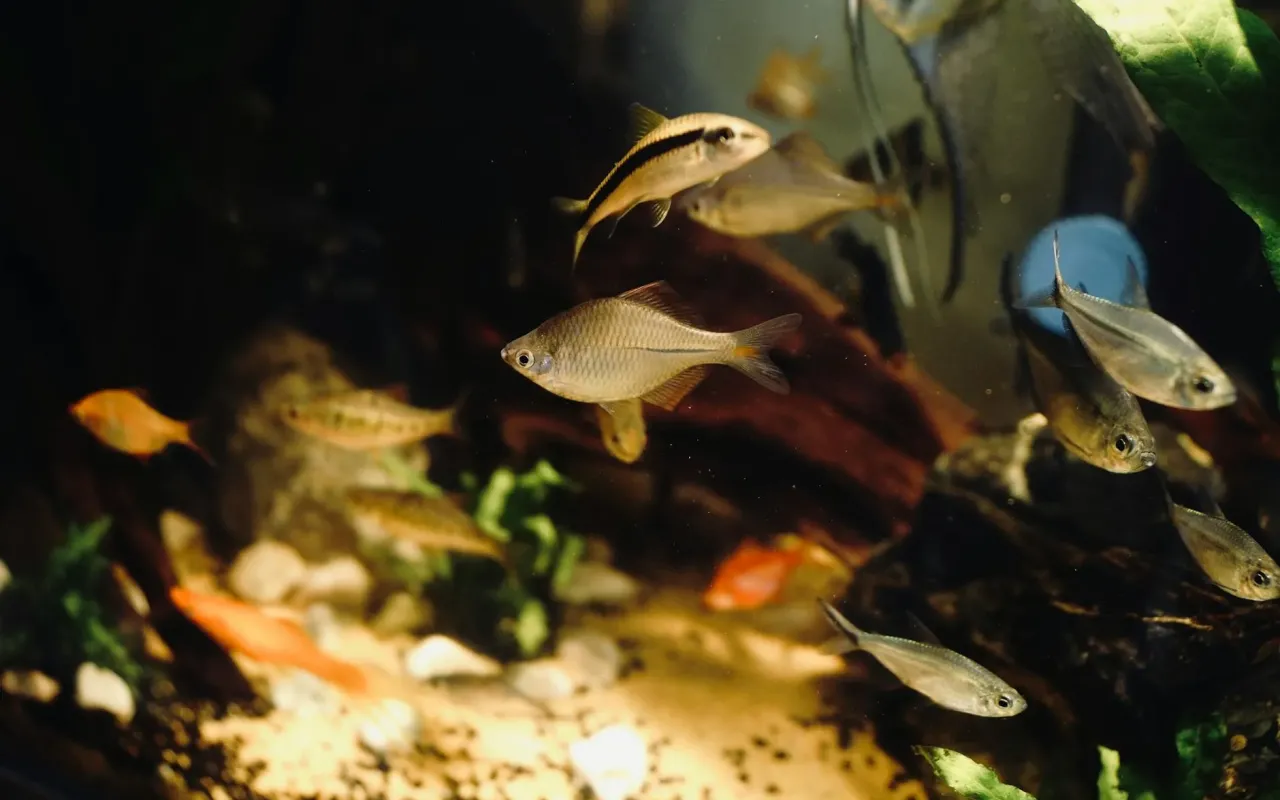
Learn the exact techniques to scrub your aquarium clean while keeping your filter bacteria alive. No crashes, no fish stress, just clear water.
- May 1, 2026
The Dirty Secret About Sparkling Tanks
You finally have that crystal-clear aquarium you've been dreaming of. The glass is spotless, the gravel looks fresh from the pet store, and your fish are swimming in what looks like bottled spring water. But here's the uncomfortable truth: if you scrubbed that tank too aggressively, you may have just committed microscopic murder.
Every time you deep-clean your aquarium with hot water, soap, or bleach, you risk wiping out the invisible colony of beneficial bacteria that keeps your fish alive. These bacteria—primarily Nitrosomonas and Nitrobacter—convert toxic ammonia from fish waste into nitrites, then into less harmful nitrates. Without them, your tank becomes a poison factory. A 2022 study published in the Journal of Aquatic Biology found that 60% of new aquarium crashes happen within the first week after a deep clean, directly linked to bacterial die-off.
So, how do you get that Instagram-worthy tank without nuking your biofilter? You need to clean smarter, not harder. This article walks you through the exact techniques that preserve your bacteria while removing the gunk, debris, and algae you can actually see.
Let's start with the single most important rule: never, ever use soap.
Why Your Filter Is a Living Organism (And How to Treat It)
Your filter isn't just a mechanical sieve. It's a biological engine room. The sponge, ceramic rings, bio-balls, or floss pads inside are covered in a slimy biofilm—that's your beneficial bacteria living in a protective matrix. When you rinse this media under tap water, you're not just washing off dirt; you're exposing the bacteria to chlorine and chloramines that kill them in seconds.
I learned this the hard way. After six months of a perfectly stable tank, I decided to "freshen up" my filter by running it under hot tap water. Within 48 hours, my ammonia spiked to 4 ppm, my fish were gasping at the surface, and I spent three days doing emergency water changes. That one rinse cost me nearly $50 in new fish and bacteria supplements.
Here's the fix: always rinse your filter media in a bucket of dechlorinated tank water. Siphon out a gallon from your aquarium during a water change, pour it into a clean bucket, and gently squeeze or swish the media in that water. Never scrub the media—just dislodge the large debris. The bacteria cling to the surface, so as long as you don't abrade them off, you're fine.
One practical tip: set a calendar reminder to clean your filter every four to six weeks. Over-cleaning is actually worse than under-cleaning because you disrupt the colony's stability. If your filter slows down significantly, it's time for a rinse. Otherwise, let it be.
Gravel Vacuuming: The Art of Sucking Without Destroying
Gravel vacuuming seems straightforward—stick a tube in the substrate and let the debris flow out. But if you're too aggressive, you're literally vacuuming up the bacteria that live in the top layer of your gravel. Beneficial bacteria colonize not just the filter, but also the surface area of your substrate, decorations, and glass. In fact, studies show that up to 30% of your total biofiltration happens in the gravel bed.
The trick is to vacuum only the top inch of the gravel, and only in areas where you see visible waste. Don't dig deep. Don't stir up the entire substrate. Think of it like dusting a bookshelf—you want to remove the dust, not the shelf itself. Use a slow, deliberate motion, and lift the vacuum tube before it creates a vortex that pulls up the gravel itself.
Here's a specific scenario: you have a 20-gallon tank with a sand substrate. Sand is denser than gravel, so debris sits on top rather than sinking deep. In this case, hover the vacuum just above the sand surface, about half an inch away. This creates enough suction to lift fish waste and leftover food without sucking up the sand and the bacteria living on it.
Actionable takeaway: only vacuum about one-third of your substrate per water change. Rotate the areas you clean so you always leave a reservoir of bacteria behind. This way, you remove waste without triggering a mini-cycle.
Glass and Decorations: Scrub Without Chemicals
Algae on the glass is the most visible sign that your tank needs attention. But reaching for a bottle of glass cleaner or a sponge with soap is a fast track to disaster. Even trace amounts of detergent can kill your bacteria and stress your fish. Instead, use a dedicated aquarium algae scraper or a clean, unused razor blade for glass tanks.
For acrylic tanks, never use a razor—it scratches instantly. Use a soft algae pad made specifically for acrylic. I keep two separate pads: one for glass, one for acrylic, and I never use them for anything else. One of my clients once used a kitchen sponge that had a tiny amount of dish soap residue. Within an hour, her angelfish were swimming erratically, and her ammonia test lit up like a warning light. We had to do a 50% water change and add a bottled bacteria starter to recover.
When cleaning decorations like plastic plants, driftwood, or ceramic caves, take them out and scrub them in a bucket of dechlorinated water. Use a soft-bristled toothbrush (dedicated to the tank only) to remove algae and biofilm. Avoid bleach dips unless you're dealing with a disease outbreak—and if you do use a bleach dip (a 1:20 bleach-to-water solution for two minutes), follow it with a heavy rinse in dechlorinated water and an air-dry period of at least 24 hours to neutralize any residue.
One pro tip: if you have live plants, don't scrub their leaves. Algae on plants is often a sign of excess light or nutrients. Instead, reduce your photoperiod to six hours a day and add a few nerite snails. They'll eat the algae without any scrubbing needed.
Water Changes: The Goldilocks Zone of Safety
Water changes are non-negotiable for removing nitrates and replenishing minerals, but too much too fast can shock your bacteria. Beneficial bacteria are aerobic—they need oxygen to process ammonia. When you replace 50% or more of the water at once, you can drop the temperature and pH rapidly, stressing the colony and slowing their metabolism.
The sweet spot for most tanks is a 20-30% water change once a week. For heavily stocked tanks, you might need 30-40% weekly. I've kept a 40-gallon community tank with 15 fish for three years using a strict 25% weekly change, and my nitrate levels stay under 20 ppm consistently. The key is consistency—erratic, large water changes cause more harm than good.
Always dechlorinate the new water before adding it to the tank. Chlorine is instant death for bacteria. Use a water conditioner that neutralizes chlorine, chloramines, and heavy metals. I recommend Seachem Prime because it also detoxifies ammonia for 24-48 hours, giving your bacteria a buffer if you accidentally overfeed.
Here's a practical workflow: fill a bucket with tap water, add the conditioner, stir, and let it sit for five minutes. Then, use a thermometer to match the temperature to your tank (within 2°F). Pour the water in slowly, preferably into a corner or over a plate to avoid disturbing the substrate. This gentle approach keeps your bacteria happy and your fish calm.
How to Handle Algae Blooms Without Chemical Warfare
Algae blooms are the aquarium equivalent of a teenager's messy room—annoying, but not a crisis. The mistake many owners make is reaching for algaecides or chemical treatments that kill algae but also damage beneficial bacteria. Products containing copper or glutaraldehyde can wipe out your biofilter in hours, leaving you with dead algae and a dead cycle.
Instead, address the root cause. Algae thrives on excess light and nutrients. If you have green water (a suspended algae bloom), reduce your lighting to four hours a day for a week. Add a UV sterilizer if you want a quick fix—it kills free-floating algae without affecting your beneficial bacteria at all. I installed a $40 UV unit on my 30-gallon tank, and the water cleared in three days without any chemical intervention.
For hair algae or spot algae on glass, manual removal is your best bet. Use a toothbrush to twirl out hair algae, and scrape spot algae with your scraper. Then, do a 20% water change to remove the loosened nutrients. Over time, add fast-growing plants like hornwort or water sprite to outcompete the algae for nutrients. This biological control is sustainable and bacteria-safe.
A surprising fact: your beneficial bacteria actually help control algae by consuming the ammonia that algae feed on. So, keeping your bacteria healthy indirectly reduces algae. It's a beautiful feedback loop—clean your tank gently, and the bacteria do the rest.
The Emergency Protocol: When You Accidentally Kill the Bacteria
Despite your best efforts, accidents happen. Maybe you left the filter running dry for an hour, or you used tap water to rinse the sponge. If you notice your fish gasping, your water turning cloudy, or your ammonia test reading above 1.0 ppm, you have a bacterial crash. Don't panic—act fast.
First, perform a 30% water change with dechlorinated water to dilute the ammonia. Second, add a bottled bacteria starter like API Quick Start or FritzZyme. These products contain live, dormant bacteria that repopulate your filter quickly. I keep a bottle in my cabinet at all times—it's my insurance policy. Third, reduce feeding to once every other day for a week. Less food means less ammonia production, giving the new bacteria time to establish.
Monitor your water parameters daily with a liquid test kit (not strips—they're unreliable). You should see ammonia drop to zero within three to five days, followed by a nitrite spike, then a nitrate rise. That's the cycle re-establishing itself. If the spikes get dangerously high (ammonia above 4 ppm), do another 20% water change.
One real-world example: a friend's 10-gallon tank crashed after she cleaned the filter with hot water. She followed this protocol—30% change, bacteria starter, reduced feeding—and her tank stabilized in four days. She lost no fish. The key was acting within 12 hours of the mistake.