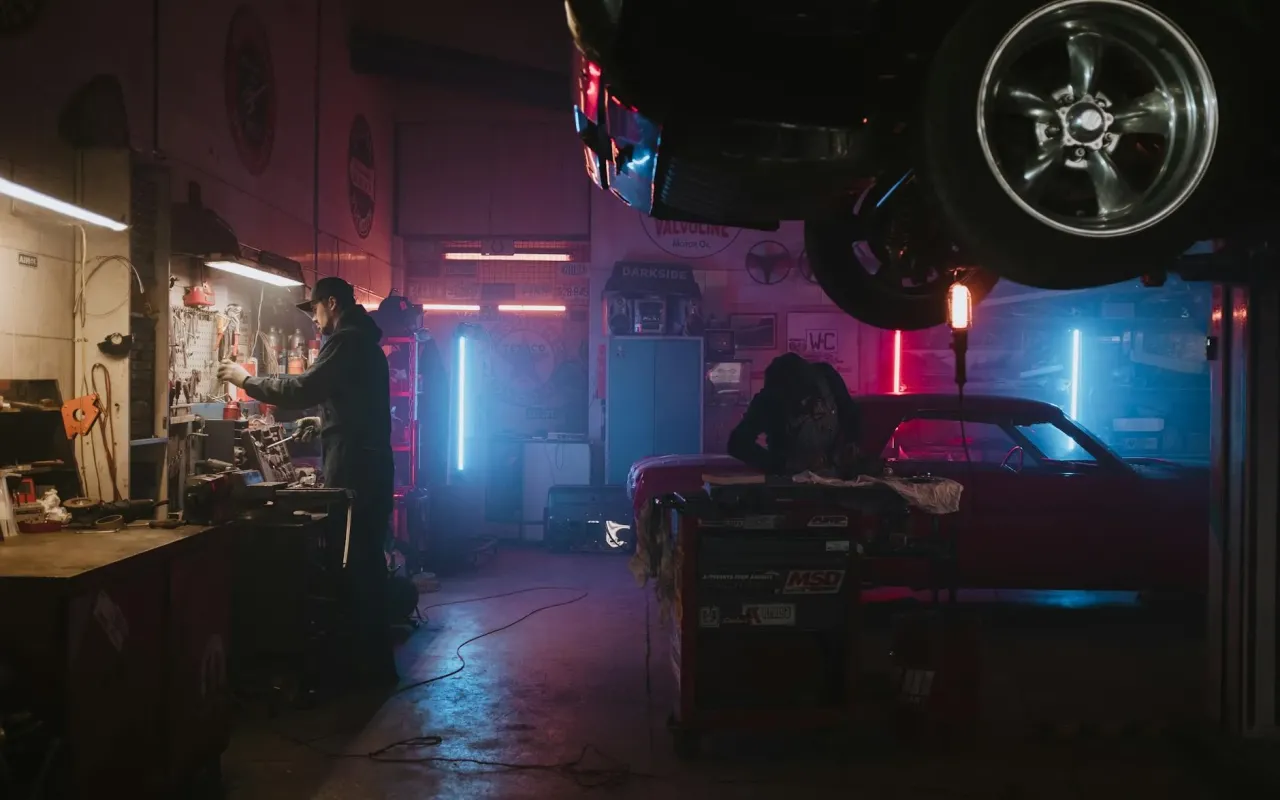
Don't ignore strange car sounds. Learn to identify common engine noises, what they mean, and when to pull over—before the repair bill doubles.
- April 27, 2026
That moment when your car starts talking back
You're driving home after a long day, windows down, playlist on shuffle. Then it starts—a faint ticking that grows into a rhythmic tap, or maybe a low groan when you accelerate. Your stomach drops. You turn down the music, hold your breath, and pray it's just road debris. But deep down, you know: that sound is a message from your engine, and it's not asking for directions.
Here's the honest truth: most car owners ignore strange noises for an average of 2.3 weeks before taking action, according to a 2026 survey by the Car Care Council. That delay often turns a $200 fix into a $2,000 nightmare. Learning to diagnose sounds early isn't about becoming a mechanic—it's about protecting your budget and your safety.
In this guide, I'll walk you through the most common engine noises, what they likely mean, and exactly what you should do next. No jargon, no fluff—just practical steps to help you decide whether to call a shop or just breathe a sigh of relief.
The Ticking Time Bomb: Light Tapping or Ticking
You're idling at a stoplight, and you hear a steady, metallic ticking that speeds up as you rev the engine. It's not loud, but it's persistent—like a tiny woodpecker trapped under the hood. This is one of the most common complaints, and the good news is it's often not catastrophic.
Low oil level or degraded oil quality is the top culprit. Your engine's hydraulic lifters rely on oil pressure to stay quiet. When oil gets low or breaks down after 5,000 miles, those lifters start tapping. A quick dipstick check can confirm this. If the oil is dark and gritty, or if you're a quart low, a fresh oil change often silences the noise.
Another possibility is a minor exhaust leak at the manifold—a ticking that gets louder when the engine is cold. This isn't urgent, but it can affect fuel economy over time. Actionable tip: If the ticking disappears after the engine warms up, it's likely oil-related. If it stays constant, schedule a mechanic visit within the week.
When ticking means trouble
If the ticking is accompanied by blue smoke from the exhaust or a burning smell, you might have a valve seal issue. This is more serious and requires a professional diagnosis. Don't ignore it—driving with worn valve seals can lead to carbon buildup and eventually a misfire.
For the DIY-minded, try using a mechanic's stethoscope (or a long screwdriver pressed to your ear) to pinpoint the sound. Place it near the valve cover area. If the tick is loudest there, it's likely valvetrain-related. If it's lower on the block, you might be dealing with piston slap—a condition common in older engines that's often harmless but worth monitoring.
The Deep Knock: What Your Engine Is Screaming
This is the sound that makes your blood run cold. A deep, rhythmic knocking that gets louder under acceleration—like someone hammering on a metal pipe from inside the engine. If you hear this, do not drive the car. Seriously. Pull over safely and call for a tow.
That knocking is often a sign of rod bearing failure. The bearings that connect your pistons to the crankshaft have worn down, allowing metal-to-metal contact. Once you hear this, the damage is already happening. Continuing to drive can send a connecting rod through the engine block—an event that totals most cars. According to AAA, engine replacement costs average $4,000 to $7,000, often exceeding the car's value.
Sometimes, a lighter knock can be caused by low-octane fuel in an engine that requires premium. This is called "spark knock" or detonation. If you accidentally filled up with 87 octane and your car calls for 91, try adding an octane booster or driving gently until you can refuel with the correct grade. If the knock disappears, you dodged a bullet. If not, you're looking at a serious internal problem.
The pre-ignition trap
Carbon buildup on pistons can cause hot spots that ignite fuel prematurely, creating a pinging sound. This is more common in direct-injection engines (found in many 2010+ models). A professional carbon cleaning service, like walnut blasting, can resolve this. It costs around $400-$600 but prevents long-term damage.
Actionable tip: Keep a log of when the knock occurs. Is it only when accelerating uphill? Only when the engine is hot? This info helps your mechanic diagnose faster. And remember: if the knock is deep and loud, don't start the engine again. Tow it.
The Screech That Makes Neighbors Stare: Belt and Pulley Noises
You turn the key, and instead of a smooth start, you're greeted by a high-pitched screech that sounds like a wounded animal. It might last a few seconds or continue as you drive. This is almost always belt-related, and it's one of the few noises you can often fix yourself.
The serpentine belt drives your alternator, power steering pump, air conditioning compressor, and water pump. Over time, the rubber dries out and glazes over, losing grip on the pulleys. A worn belt will squeal, especially in damp weather or when you first start the car. Check the belt for cracks, fraying, or a shiny glaze. If you see any of these, replacement is cheap—usually $30-$60 for the part, plus an hour of labor.
But the belt isn't always the villain. A bad tensioner pulley or idler pulley can also screech. These pulleys have bearings that wear out. If the belt looks fine, try removing it (with the engine off) and spinning each pulley by hand. A rough or noisy pulley needs replacing. Actionable tip: Spray a little water on the belt while the engine is idling. If the screech stops briefly, the belt is slipping. If it gets worse, suspect a pulley bearing.
The alternator's dying cry
A screech that's accompanied by dimming headlights or a battery warning light could mean the alternator bearing is failing. This is more serious—a seized alternator can snap the belt, leaving you stranded. Alternator replacement runs $300-$600. Don't ignore the screech combined with electrical symptoms.
For the brave, you can buy a belt dressing spray as a temporary fix. But this is a band-aid, not a solution. Dressing masks the problem and can even attract dirt, accelerating wear. Use it only to get to a shop.
The Rattle That Says Something Is Loose
You hit a bump, and you hear a metallic rattle from under the car—like a handful of coins in a tin can. Or maybe it's a persistent buzz at certain RPMs. Rattles are annoying, but they're often the least dangerous engine noise—if you know where to look.
A common culprit is a loose heat shield. These thin metal panels protect your car from exhaust heat, but they rust and break free over time. A rattle from underneath, especially on rough roads, is often a heat shield. A mechanic can reattach it with a hose clamp for under $50. Alternatively, you can crawl under the car (when cold) and tap the shield with a rubber mallet to see if it stops.
Another source: a loose exhaust pipe or catalytic converter. If the rattle is accompanied by a drop in fuel economy or a sulfur smell (like rotten eggs), your catalytic converter might be failing. That's a $1,000-$2,500 repair, so get it diagnosed quickly. Actionable tip: Record the sound with your phone while driving. Play it for a mechanic—they can often identify the issue without even seeing the car.
The engine mount giveaway
A dull thud or rattle when shifting gears (automatic or manual) often points to worn engine mounts. These rubber-and-metal brackets hold your engine in place. When they fail, the engine moves too much, banging against the frame. You might also feel vibration through the steering wheel. Replacing mounts costs $200-$600 depending on the car. It's not urgent, but it can cause other components to wear prematurely.
Don't confuse this with a loose heat shield. If the rattle changes with engine load (accelerating vs. coasting), it's likely engine-related. If it changes with road bumps, it's probably body or exhaust related.
The Hiss That's Not a Cat: Vacuum Leaks and Cooling Issues
A hissing sound from under the hood is like your engine's way of saying it's losing pressure. It could be a vacuum leak (air getting into the intake system where it shouldn't) or a coolant leak (steam escaping). Both need attention, but one is more urgent than the other.
A vacuum leak produces a high-pitched hiss, often accompanied by a rough idle or a check engine light. It's usually caused by a cracked rubber hose. These hoses dry out over time, especially in older cars. A mechanic can smoke-test the system to find the leak. Repair is often under $200. If ignored, a vacuum leak can cause your engine to run lean (too much air), leading to overheating and damage.
A coolant leak hiss is different—it's often accompanied by a sweet smell (from antifreeze) and visible steam. Check your coolant reservoir level. If it's low, you have a leak. This is urgent because overheating can warp your engine head in minutes. Actionable tip: Never remove the radiator cap when the engine is hot—pressurized coolant can cause severe burns. Wait until the engine cools completely.
The head gasket nightmare
A hiss combined with white smoke from the exhaust and milky oil on the dipstick is a head gasket failure. This is the most expensive common repair—$1,500 to $3,000. If you suspect this, stop driving immediately. A failed head gasket allows coolant to mix with oil, destroying lubrication and causing catastrophic engine failure.
To check for a head gasket issue yourself, look for bubbles in the coolant reservoir with the engine running. If you see bubbles, combustion gases are entering the cooling system. That's a confirmed head gasket problem. Tow the car to a shop.
When to DIY vs. When to Tow
Not every strange noise requires a mechanic. A ticking sound from low oil? Change it yourself in 20 minutes. A belt screech? Replace the belt with basic tools. But here's the rule: if the sound is new, persistent, and changes with engine speed or load, err on the side of caution. Your ears are your best diagnostic tool—but they're not a replacement for a trained technician.
Build a simple habit: once a month, pop the hood and listen for 30 seconds with the engine running. Note any new sounds. Keep a note in your phone with the date and description. This small act has saved me twice—once catching a failing water pump before it left me stranded on a highway.
Remember, your car isn't trying to annoy you. It's trying to tell you something. Listen before it screams.