British punk legends Cock Sparrer revisit CBGB's iconic site, sparking tears and memories with fans decades after their explosive New York debut.
- April 17, 2026
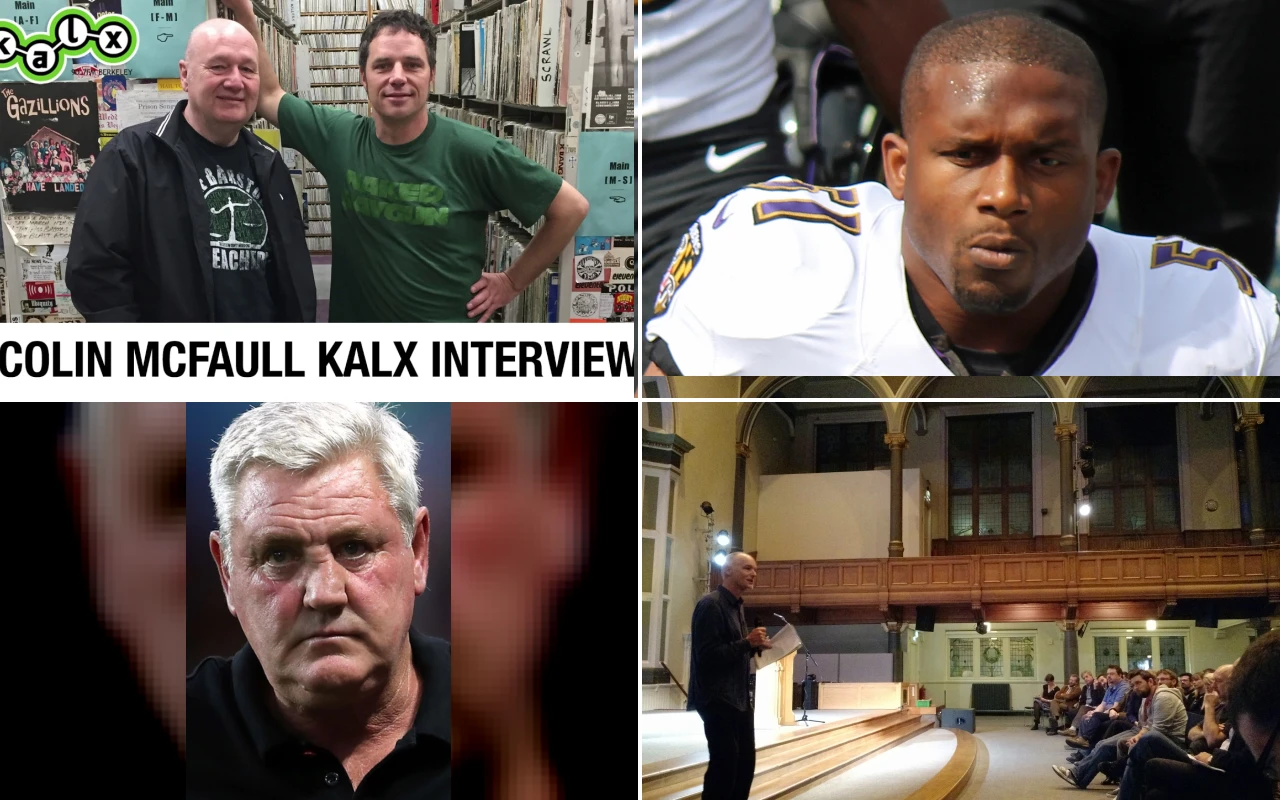
AceShowbiz - On a bright Sunday afternoon in Lower Manhattan, the 1970s British punk band Cock Sparrer searches for the former site of the iconic CBGB club. The group—comprising singer Colin McFaull, guitarist Daryl Smith, drummer Steve Bruce, bassist and songwriter Steve Burgess, and guitarist Mick Beaufoy—is traveling from their soundcheck at Brooklyn Paramount, where they've just finished their second consecutive sold-out show, to Generation Records for a fan meet-and-greet.
Unbeknownst to them, over 100 fans, many sporting polished Doc Martens and freshly shaved heads, are lined up along Thompson Street. When the band arrives, some long-time supporters, now fathers and grandfathers in their seventies, will be moved to tears.
As they navigate the busy Bowery traffic, the members squint toward the John Varvatos awning marking the former CBGB site. Memories flood back to their first New York performance there in 2000. Steve Bruce recalls a sign that read "No Skinheads Allowed," which created a surreal scene of men in woolly and bowler hats trying to gain entry. McFaull vividly remembers the heat inside, where "sweat was raining from the ceiling," and Daryl Smith recounts a beer mug crashing overhead, showering the crowd with glass—an incident met with unshaken resilience emblematic of the CBGB spirit.
The band formed in 1972 as a group of East London teenagers who initially played covers at school events, hoping to attract local attention. Daryl Smith admits their early shows were sparsely attended. However, they began crafting original songs inspired by glam and rock legends like T. Rex, Slade, and Small Faces, fused with the fervent football chants from West Ham matches. Before the punk label existed, these elements blended into a distinctive sound. When punk exploded, record labels lumped them into the genre. Decca Records, aiming to sign token punk acts alongside bands like Adam and the Ants and Slaughter and the Dogs, signed them.
However, tensions quickly emerged. Unlike many punk bands who embraced the fashion trends of bondage pants and safety pins, Cock Sparrer maintained a working-class style of boots, jeans, and camouflage. They defiantly rejected industry pressure to conform, as reflected in their song "Take 'Em All," which critiques label executives with its provocative chorus.
Decca released their self-titled album but soon dropped the band. They recorded one more studio album, Shock Troops, in 1983 through Razor Records. As violence escalated at punk concerts, Cock Sparrer decided to pause live performances. The band members pursued careers and family life but kept their friendship alive with occasional reunions and social gatherings, effectively becoming a group of longtime friends more than an active band.
Meanwhile, their influence quietly grew in punk circles. Shock Troops achieved cult status with songs like "Where Are They Now?," "We're Coming Back," and "Droogs Don't Run," which combined catchy choruses with nostalgic reflections on British punk culture. The album inspired future punk icons such as Tim Armstrong of Rancid and Ken Casey of Dropkick Murphys. Despite their deep impact, Cock Sparrer never identified strictly as punk.
In 1992, Colin McFaull received a surprising invitation for the band to headline a 2,000-person show. Initially incredulous, he consulted the band, and they agreed to reunite. They recruited Daryl Smith as the new guitarist, who, two decades their junior, had grown up listening to their music. In a twist of fate, Smith's father had been one of the original label executives who signed Cock Sparrer in the 1970s.
From this resurgence, the band's popularity expanded steadily. They released a dozen albums, including 2024's Hand on Heart, which charted in the U.K. Their live shows evolved into celebrations of chosen family, with longtime friends, couples, and increasingly, younger generations attending. Nevertheless, late last year, the band announced that their upcoming shows in Los Angeles, New York, and Boston would be their final performances in those cities, signaling a possible winding down of their touring career.
During their recent New York visit, Rolling Stone spoke with McFaull and Smith about their origins and what the future might hold for them and their fans.
Daryl Smith described the band’s unique path: "We're a band that's had our career in reverse. Back in '76, '77, the guys came from the East End, very working-class, which didn’t fit the art-school punk scene of the West End." Colin McFaull recalled playing the Roxy alongside bands like X-Ray Spex and Siouxsie and the Banshees, emphasizing their belief that punk was about simply getting up and doing it rather than focusing on fashion trends.
Asked about their early musical influences, McFaull explained that they initially covered glam rock favorites such as Slade, Bowie, Alice Cooper, Sweet, and T. Rex. These covers were performed at youth clubs, often imperfectly, but they forged strong friendships that became the foundation of the band’s longevity.
Reflecting on their legacy, the members maintain a grounded perspective. Their refusal to conform to industry expectations and their dedication to authentic self-expression have earned them a devoted fan base and a lasting place in punk history.
As Cock Sparrer prepare for what could be their final tours in key U.S. cities, their multi-generational fanbase stands as a testament to their enduring impact. From teenage rebels playing local gigs to revered punk legends, their journey illustrates the power of music to unite and inspire across decades.