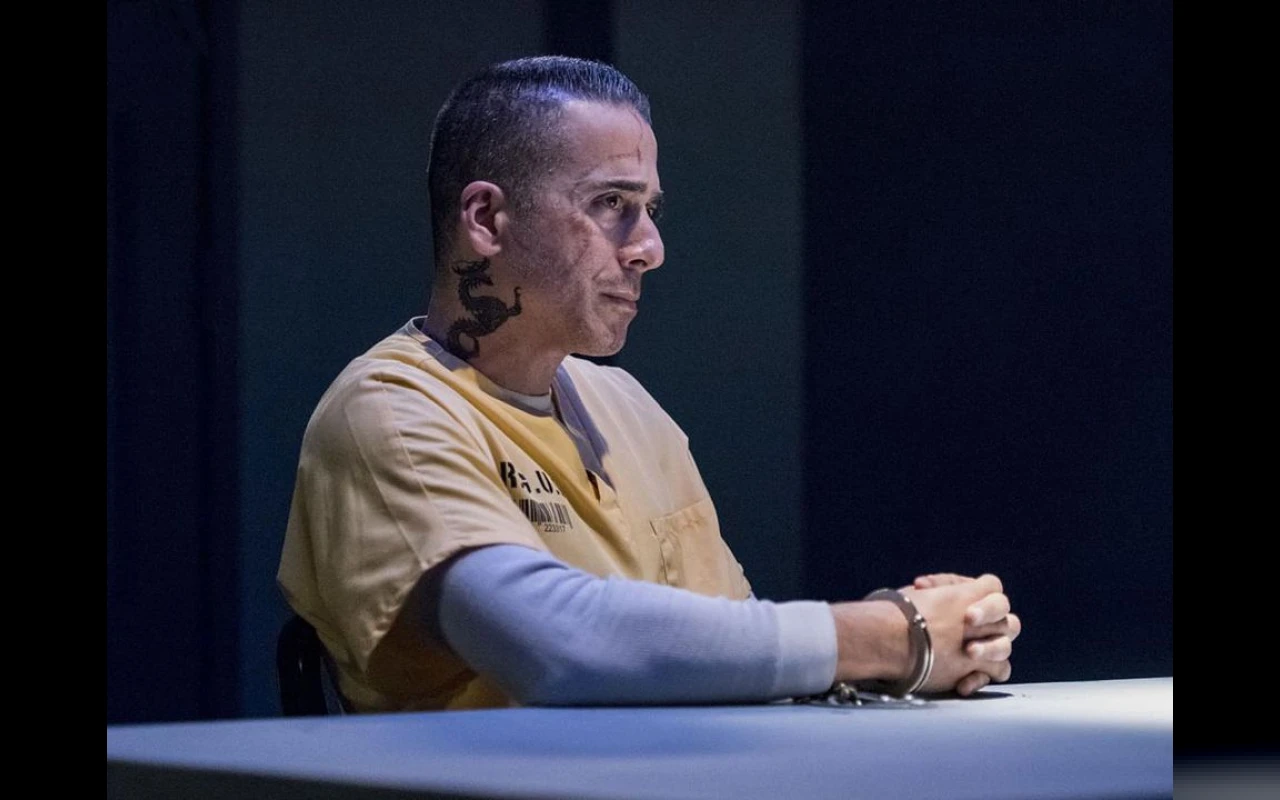
Kirk Acevedo (Oz, Band of Brothers) reveals the harsh economic struggles of working actors in Hollywood today. A candid look at the industry's middle class.
- April 16, 2026
AceShowbiz - Kirk Acevedo has opened up about the difficult realities facing middle-class actors in Hollywood amid industry shifts and economic pressures.
Though not a household name, Acevedo boasts an impressive career spanning stage and screen, including key roles on HBO's groundbreaking series Oz, collaborations with renowned filmmakers like Terrence Malick on The Thin Red Line, and appearances alongside Tom Hanks and Steven Spielberg in Band of Brothers. His resume also includes franchise films such as Dawn of the Planet of the Apes and popular TV series like Arrow and Agents of SHIELD, as well as multiple guest spots on procedural shows like Law & Order: Special Victims Unit and Cold Case.
Since the late 1990s, Acevedo has remained a steady presence in the entertainment industry. However, in a recent candid interview on Ryan M. Perez’s podcast An Actor Despairs, he revealed that the consolidation and economic tightening in Hollywood have taken a toll on actors like himself. The veteran actor detailed how fewer roles and reduced paychecks have forced him and many peers to make difficult financial decisions, including selling homes to stay afloat.
Acevedo recounted how he went from "working nonstop" during the late 2010s—appearing in series like Arrow, 12 Monkeys, and Kingdom, along with films such as Planet of the Apes and Insidious: The Last Key—to experiencing a dry spell during the COVID-19 pandemic. He also shared the frustration of narrowly missing out on prominent roles in 2019, coming in "second place" for parts in major films like Birds of Prey and the Fantabulous Emancipation of One Harley Quinn and Don't Breathe 2.
Reflecting on the struggles of 2021, Acevedo explained, "I keep coming in second place, and the reality is second place, you're the first one to lose." The result was the necessity to sell his house, a move echoed by many actors navigating the current industry climate. Acevedo emphasized that numerous colleagues, both well-known and less visible, have faced the same harsh financial realities.
This situation is part of a broader industry trend marked by COVID-19 disruptions, studio consolidations, and labor strikes, which have collectively reduced creative job opportunities. While some high-profile figures like Billy Porter have publicly shared their financial hardships, many actors remain reluctant to discuss these challenges openly. When Acevedo shared his interview clip on Instagram, it drew widespread support from fellow actors, including Neil Brown Jr., who simply commented, "Facts."
Currently, Acevedo is focusing on television work as the primary avenue to maintain a livelihood. He pointed out that film opportunities have diminished for actors of his stature, largely due to increased competition from Oscar-winning stars who now frequently lead multi-episode TV shows. Acevedo expressed the difficult reality of competing against such high-profile talent for roles and pay, noting, "It's like, 'OK, should we pay Kirk his quote or this guy that was nominated for an Oscar seven, eight, 10 years ago?'"
He succinctly summarized the predicament by stating, "Like in any economy in any country, the middle class always gets squeezed out. We're getting squeezed out." Despite booking several recent roles, including appearances on The Offer, Star Trek: Picard, and a four-episode arc on Lioness, the financial terms of these gigs no longer support a sustainable income.
Acevedo broke down the economics of typical guest-starring work: ten episodes might pay around $100,000, but after agent and manager fees (20 percent), taxes (38 percent), and living expenses like rent (estimated conservatively at $3,000 per month), the remaining income barely covers basic costs. This scenario is especially problematic for mid-career actors who cannot compete with younger talent willing to accept lower pay, nor can they deviate from their established rates.
He further explained that the industry now often classifies actors as "top two on the call sheet" or recurring, with the latter category subject to significantly reduced pay. Acevedo noted, "Because everybody else is recurring, they can lowball you," adding that desperation for work means some actors might accept roles for little or no pay, leaving others with no bargaining power.
Compounding these professional challenges, Acevedo faced a serious personal health scare when he suffered a hemorrhagic stroke just before his 50th birthday. Despite no apparent risk factors or identifiable causes, he has since recovered fully and received a clean bill of health from his doctors.
Acevedo's interview on An Actor Despairs offers an in-depth look at the struggles of sustaining an acting career in today’s entertainment landscape. He reflects on the highs and lows of his journey and the broader systemic issues squeezing the middle class of working actors.
For those interested in hearing the full conversation, including Acevedo's career insights and how he initially broke into the business, the podcast episode is available online.
This article is based on reporting originally published by The Hollywood Reporter.