Wireless Festival cancelled after Kanye West (Ye) denied UK entry. Sponsors pull out, organizers defend booking amid antisemitism controversy.
- April 9, 2026
AceShowbiz - Fans anticipating performances from Ye, formerly known as Kanye West, received disappointing news when organizers of this year’s Wireless Festival announced its cancellation. The decision came after the rapper was denied entry into the United Kingdom by the Home Office. Officials cited that his presence would not be "conducive to the public good," leading to the event’s abrupt end.
Melvin Benn, the head organizer of Wireless Festival, defended the initial decision to book the controversial rapper. However, several major sponsors, including Pepsi and Diageo, withdrew their support following Ye’s history of antisemitic remarks. Despite issuing apologies and aiming to mend ties with the Jewish community through his recent Bully album, Ye’s ban represents a significant setback.
Ye is not an isolated case. Over the years, numerous artists, particularly in the hip-hop genre, have faced similar restrictions when attempting to enter the U.K. These bans have been issued due to various factors, from criminal records to concerns over past behavior and lyrical content. Below is a review of several notable artists who have been denied entry into the U.K. for differing reasons.
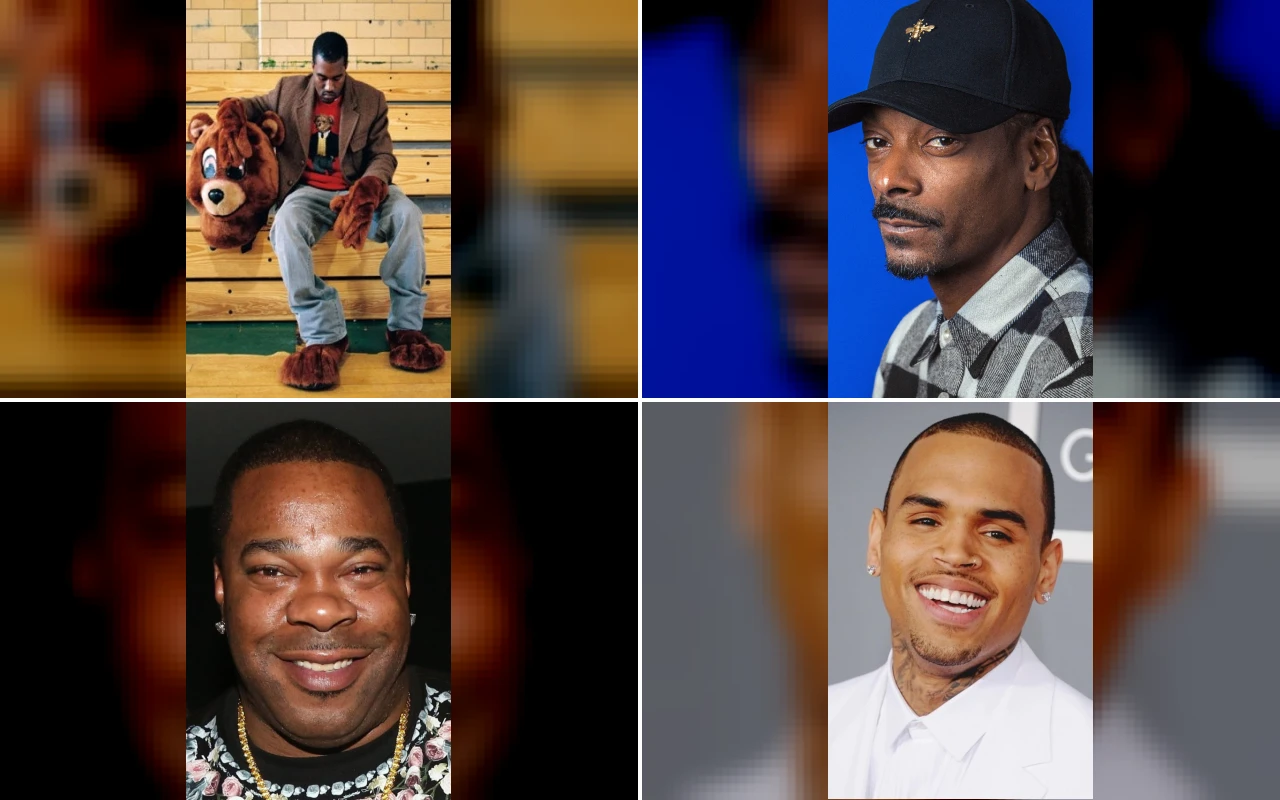
Snoop Dogg encountered U.K. immigration issues multiple times. In March 2007, the West Coast rapper, along with Sean Combs (then performing as P. Diddy), had to cancel tour dates after Snoop was refused entry. Reports indicate that the ban was linked to a 2006 arrest at Heathrow Airport involving Snoop and members of his entourage. The Guardian noted that this was not his first denial, as he was also barred in May 2006. The ban was eventually lifted in 2008, and by 2010, the Doggystyle artist was performing again in the U.K.
While not officially banned, Busta Rhymes faced entry denial in 2008 due to his criminal record. Booked for the inaugural U.K. Orange RockCorps charity concert, the Brooklyn rapper was held at the airport for 11 hours before a judge granted him bail and allowed him to perform. The Guardian reported that his “unresolved convictions” were the root cause of the initial refusal.
In June 2010, R&B singer Chris Brown was barred from entering the U.K. following his 2009 assault conviction involving Rihanna. The BBC described his offense as a “serious criminal offence,” which led to the postponement of his international tour. Brown was blocked from performing in the country for more than a decade. However, he returned to the U.K. stage in November 2021 when he joined WizKid at the O2 Arena. The Independent reported rumors of his ban being lifted after sightings in the U.K. earlier that year, and in 2022, he performed at the Wireless Festival.
Lil Wayne was denied entry in April 2011 due to his criminal convictions. The Guardian detailed that the U.K. Border Agency rejected his application because he had recently served eight months in prison for weapon possession. In 2022, when he aimed to perform at the Strawberries and Creem Music Festival, the Home Office upheld its prior ban, and Ludacris replaced him on the lineup.
Tyler, the Creator spoke openly about being banned from the U.K. in September 2015. Early in his career, his explicit lyrics led then-Home Secretary Theresa May to block his performances, citing “behaviors unacceptable in the U.K.” The Guardian reported that Tyler felt he was treated “like a terrorist.” His ban was lifted in 2019, and he since returned to perform in London as a Grammy winner.
These cases illustrate the U.K. government’s stringent approach to artist entry, often based on criminal records or concerns about public order. While some artists like Ye and Chris Brown have managed to return to the country after bans were lifted, others continue to face restrictions rooted in their past actions or legal issues.