Explore Bowie's 1983 pop transformation and the double-edged sword of his massive U.S. breakthrough with the Serious Moonlight tour.
- April 7, 2026
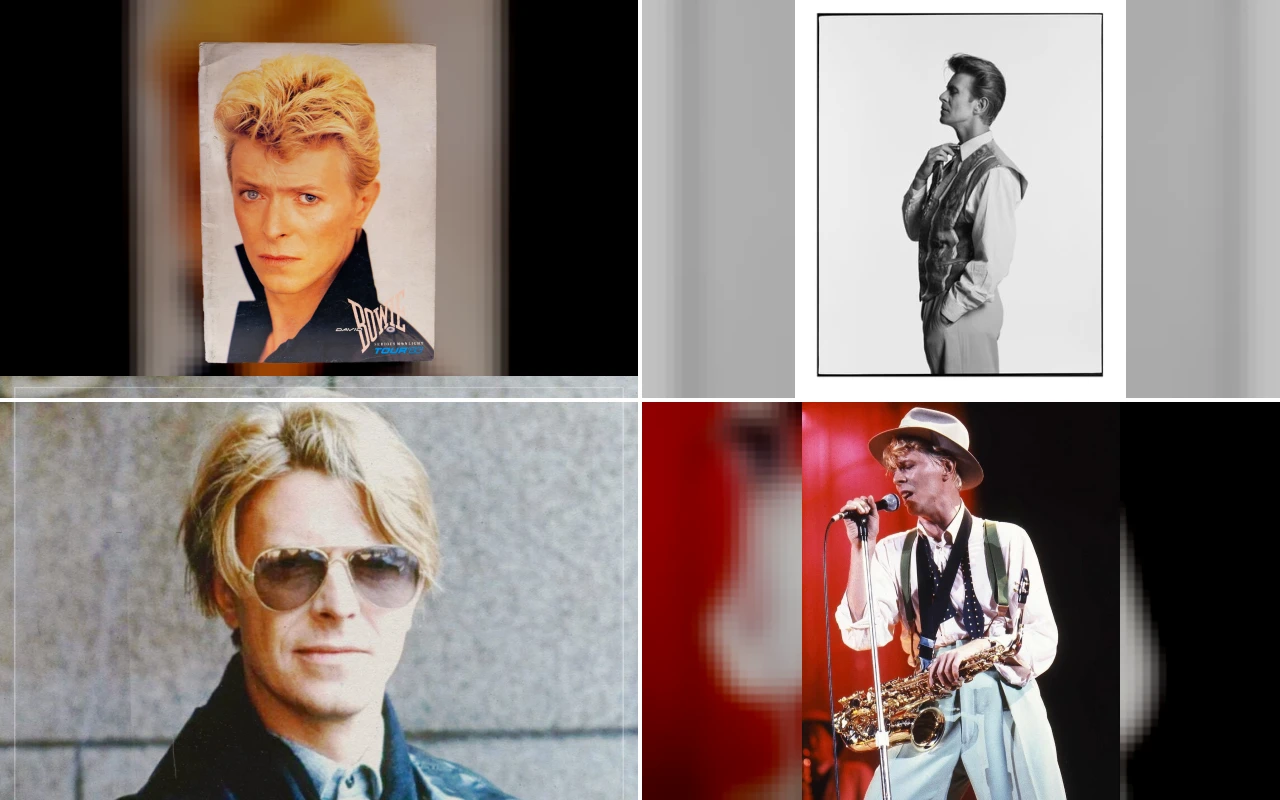
AceShowbiz - During the 1970s, David Bowie was a pioneering force in rock music, transitioning through phases as a glam-rock icon, an alien-like soul figure, and a futuristic pop visionary. While he was a celebrated superstar in the U.K., his success in the United States was inconsistent. By the early 1980s, Bowie had released several albums that failed to produce major hits on the U.S. charts. However, 1983 marked a turning point when he deliberately embraced pop music and achieved unprecedented commercial success in America.
In that year, Bowie fully courted pop stardom, delivering chart-topping singles and music videos that were inescapable on television. His tour that year, known as the Serious Moonlight tour, became his largest ever, propelling him into global superstardom. This new level of fame was a double-edged sword, as both Bowie and many longtime fans found the sudden mainstream attention somewhat unsettling.
On the “Vintage Pop Stardom” episode of the Greatest Pop Stars podcast, host Andrew Unterberger reflects on the 10th anniversary of Bowie's passing in 2016 by focusing on his 1983 peak. Joined by Chris Molanphy of Slate and the Hit Parade podcast, they explore how this most unconventional rock star integrated himself into pop music’s inner circle and how the era continues to be held in high regard by some, despite mixed feelings among many dedicated Bowie fans and even Bowie himself in later years.
The podcast dives into several key questions about Bowie's 1983 period: Why was he so determined to conquer pop music at that time? Was the Top 40 music scene catching up to Bowie and his collaborator Nile Rodgers as much as he was adapting to it? What made Bowie such a perfect fit for the MTV era? They also debate the legacy of the song and music video for “China Girl” more than 40 years after its release, and whether the album Let’s Dance holds any merit beyond its hit singles.
Additionally, the discussion covers Bowie's 1983 film projects, questioning their lasting appeal and why he never achieved the same level of success in movies that he did in pop music. Most importantly, the hosts consider whether the 1983 version of Bowie deserves to be remembered as fondly as his celebrated Ziggy Stardust and Berlin periods.
Listeners can find a YouTube playlist featuring some of the most iconic moments from Bowie's 1983, all of which are analyzed in the podcast. The Greatest Pop Stars podcast releases weekly episodes every Thursday on Apple Music, Spotify, and other platforms, providing detailed discussions about pop stardom and its many shifts.
In addition to celebrating Bowie's legacy, the podcast encourages fans to support causes championing trans rights. Organizations such as the Transgender Law Center, Trans Lifeline, the Gender-Affirming Care Fundraising on GoFundMe, and The Trevor Project are highlighted as worthy recipients of donations for those willing and able to contribute.
This reflection on Bowie's 1983 success offers a nuanced look at a pivotal year in his career, revealing how a legendary artist can break through commercial barriers while grappling with the complexities of newfound mainstream fame.