Movies are getting longer. Discover why modern blockbusters and pre-shows keep you in the theater seat for over two hours on average.
- April 7, 2026
AceShowbiz - Have you ever noticed that when you're watching a movie in theaters, it often feels like the film should be wrapping up, but then it continues on for much longer? This sensation is not just in your head. According to research by Stephen Follows, wide-release movies have steadily increased in length over the past several decades.
Follows analyzed the runtimes of 36,000 theatrically released films spanning from 1980 through 2025 and found that the average duration of a wide-release movie has grown from about 106 minutes in the 1990s and early 2000s to approximately 114 minutes in more recent years. When it comes to big-budget films — those with budgets exceeding $100 million — runtimes tend to be even longer. Additionally, the time you spend in the theater before the film starts has expanded due to pre-show advertising and trailers, which now often last between 20 and 30 minutes. This means audiences are spending more time seated than ever before.
Looking at the data from another angle, in the 1980s, only 14 percent of wide-release movies ran for more than two hours. In contrast, today in the 2020s, that figure has more than doubled to 32 percent. The genre that has contributed most significantly to this increase is action movies, which now average 128 minutes — a full 25 minutes longer than a few decades ago.
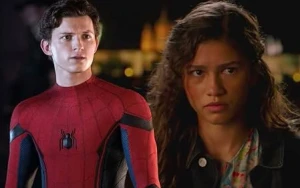
If you suspect that this trend is driven by blockbuster franchises such as Marvel, Mission: Impossible, and Fast & Furious, you would be correct. Follows’ research highlights that recent installments in many popular franchises have expanded to record runtimes. However, it’s important to note that even non-franchise films have been pushing beyond the two-hour mark lately.
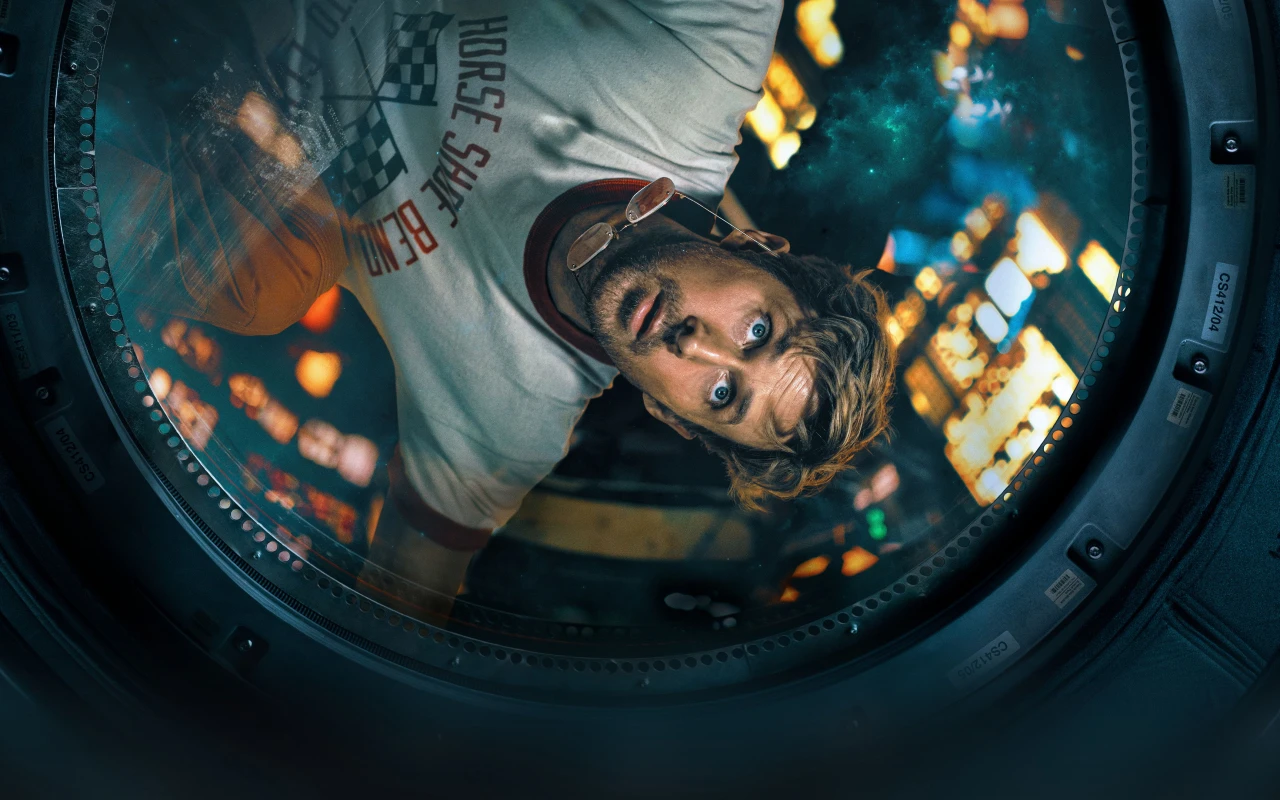
For instance, the current box office leader, Project Hail Mary, featuring Ryan Gosling, runs for 156 minutes. Other recent lengthy films include Dune: Part Two, which clocks in at 166 minutes, and Oppenheimer, with a runtime of 180 minutes. These examples show that the longer film trend is not limited to franchise productions alone.
Meanwhile, films produced on smaller budgets — under $10 million — have largely maintained consistent runtimes over the decades, indicating that the lengthier durations are primarily a characteristic of high-profile, big-budget movies.
Several factors likely contribute to this trend. The rise of digital projection technology has made it easier to show longer films without technical limitations. Studios also aim to create a sense of event cinema, especially as they market premium formats like IMAX that command higher ticket prices. Another crucial reason is that box office numbers suggest audiences are generally willing to accept — and even appreciate — longer films when they are invested in the title.
The success of the Lord of the Rings trilogy, which broke new ground by proving that epic-length movies could be box office hits, helped shift audience expectations. For example, the theatrical release of The Return of the King in 2003 ran nearly three and a half hours, yet it was well received and financially successful.
Director Denis Villeneuve, known for his work on films like Dune and Oppenheimer, commented last year on this phenomenon. He observed that younger viewers, in particular, enjoy longer movies. "Oppenheimer is a three-hour, rated-R film about nuclear physics that is mostly talking," Villeneuve said. "But the public was young, that was the movie of the year by far for my kids. There is a trend. The youth love to watch long movies because if they pay, they want to see something substantial. They are craving meaningful content."
Despite this trend toward longer films, many of the most beloved and enduring popcorn movies of all time managed to tell compelling, epic stories in roughly two hours or just slightly more. Classics like Back to the Future run just under two hours, while Jaws and Star Wars: The Empire Strikes Back are about two hours and four minutes each. Similarly, Jurassic Park and Spider-Man 2 both have runtimes just over two hours.
There is still value in leaving moviegoers wanting more, suggesting that filmmakers continue to balance epic storytelling with audience attention spans. However, the increasing acceptance and success of longer films indicate that modern audiences, especially fans of high-profile titles, are embracing the opportunity to dive deeper into stories that require more screen time.