James Gunn's new Superman film should avoid adapting The Death of Superman. Here's why the iconic comic storyline is a trap for the DCU.
- April 6, 2026
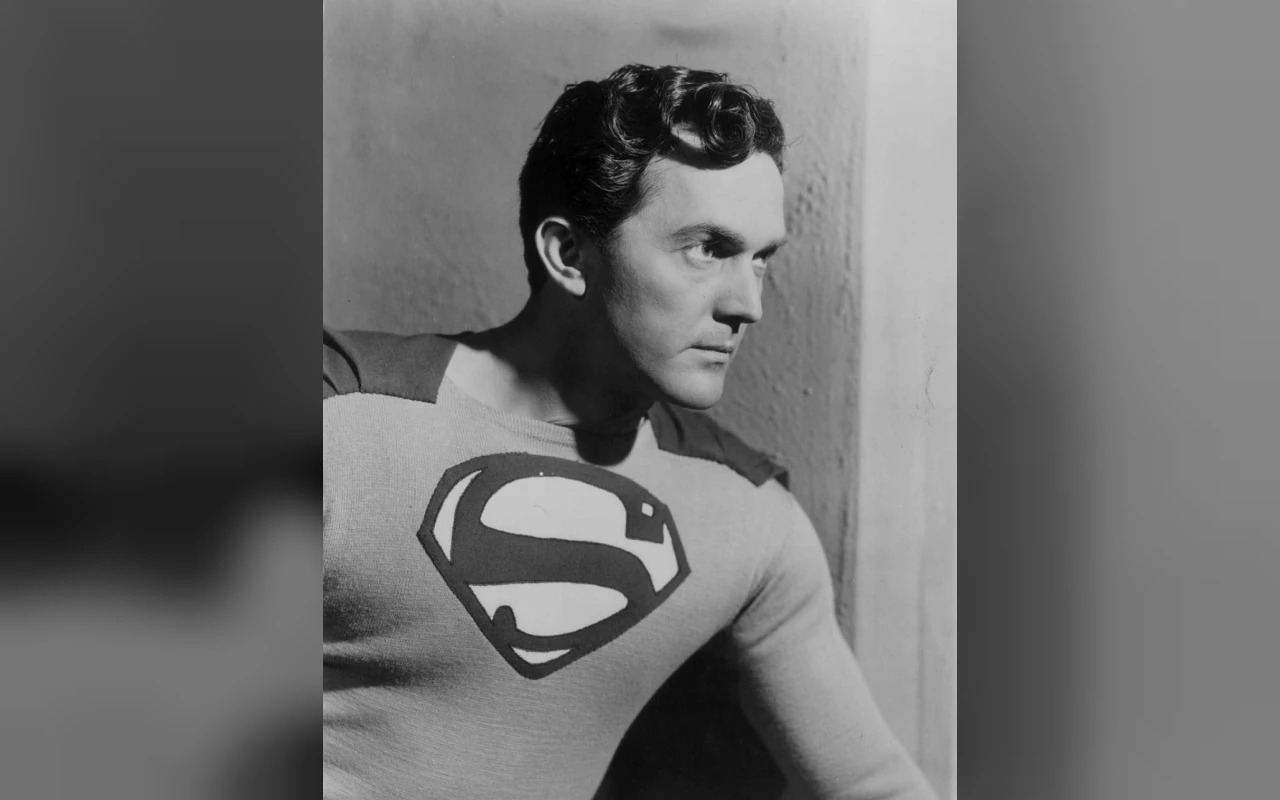
AceShowbiz - As Man of Tomorrow prepares for filming this summer, James Gunn, co-head of DC Studios, is likely already contemplating the future of Superman on the big screen and how it fits within the evolving DC Universe. With an extensive and iconic history, Superman has many legendary comic storylines to draw from. However, despite its fame and impact, the most iconic tale in Superman’s legacy—the story known as The Death of Superman—is one Gunn would be wise to steer clear of for his new DCU films.
The Death of Superman is undeniably a landmark in comic book history. When it first debuted, DC Comics meticulously built the story, beginning with the ominous introduction of Doomsday in Superman: Man of Steel #17, followed by his full reveal in the next issue. The narrative unfolded across four Superman titles and a Justice League issue, culminating in Superman’s apparent demise in Superman #75. But the story did not end there. The aftermath was explored in “Funeral for a Friend,” a four-month, 11-issue arc across multiple titles that depicted how Superman’s death impacted his loved ones, fellow heroes, and the world at large. This was followed by another extensive four-month, 16-issue storyline called “Reign of the Supermen!,” which focused on four contenders vying to be Superman’s successor.
Altogether, this sprawling saga consumed nearly a year in comic book time, enough to make many fans genuinely question if Superman was truly gone for good. Of course, DC never intended to kill the character permanently, but the story served as a powerful reminder of why Superman remains such a vital figure in popular culture.
Crucial to the impact of The Death and Return of Superman was its serialized monthly release format, which allowed the story to breathe and focus on characters beyond Superman himself. This narrative pacing gave fans time to process the loss and appreciate the ripple effects his death caused. Such a deep, prolonged experience is impossible to replicate in a movie format. Even spanning multiple films, a cinematic adaptation cannot match the layered, expansive storytelling that made the comic saga so memorable.
Moreover, modern audiences are highly skeptical about superhero deaths, especially for icons like Superman. The idea that he would remain dead is no longer believable, a trick that has lost its effectiveness since films like Star Trek II: The Wrath of Khan successfully used it decades ago. Attempting to replicate this in a new DC Universe would likely fall flat, as consumers expect such characters to eventually return. This undermines the emotional weight of the story and risks alienating viewers.
In fact, since its original publication from December 1992 to October 1993, The Death of Superman story has been adapted multiple times across various media. These adaptations include at least six versions, encompassing two novelizations and a video game, not counting unrealized projects such as Superman Lives. This means the tale has been revisited roughly once every five years, saturating the market and diminishing its impact.
The narrative’s frequent reuse has ironically made it the defining Superman story for many, despite the fact that it primarily centers on other characters reacting to his absence. The appeal lies in its built-in tragedy and dramatic tension, which, if executed well, can evoke strong emotional responses from audiences. Blockbuster filmmakers often dream of creating moments as powerful as the climax of Avengers: Endgame, where a hero’s death strikes a deep chord.
However, Endgame succeeded partly because it was not adapting an existing comic death where fans already knew the outcome. The character arcs and deaths portrayed were fresh interpretations rather than direct adaptations. Iron Man’s death in the films was not lifted from a specific comic storyline, and it came after a decade of carefully developed storytelling within the Marvel Cinematic Universe. These factors contributed to the impact and believability of the story.
By contrast, every cinematic version of The Death of Superman, including Zack Snyder’s attempt, has struggled. The audience’s disbelief that Superman could die permanently after just two films in a new shared universe undermines the tension. Attempts to convince viewers otherwise have been met with skepticism. More importantly, the story itself fails to encapsulate the essence of what makes people love Superman.
The Death of Superman, while a seminal and culturally significant event in the character’s nearly century-long history, is fundamentally a story about reminding readers why they care about Superman rather than explaining why they love him. Its media event status was driven by the anticipation built from preceding stories and the emotional resonance of witnessing the fall of an icon.
What truly endears Superman to fans is not that he died heroically saving Metropolis, but that he lives to continue protecting the world. At its core, the Superman mythos is about perseverance, hope, and the power of one individual to make a difference. It is a narrative about standing firm in one’s convictions and inspiring others through acts of courage and kindness. As the line borrowed from Hamilton goes, “Dying is easy. Living is harder.” Focusing on Superman’s death detracts from the vitality of his life and the enduring ideals he represents.
Importantly, The Death of Superman worked as a monumental tale because it was told over 50 years after Superman’s debut on the cover of Action Comics #1. The character’s iconic status had to be firmly established before his loss could be mourned in such a profound way. The stories that came before and after this event are what have truly shaped Superman’s importance and legacy.
For James Gunn and the new DC Universe, the best course is to focus on the stories that emphasize Superman’s life, heroism, and optimism—letting the Man of Steel live and inspire rather than die and be mourned. This approach will honor what makes Superman timeless and relevant, ensuring his adventures continue to resonate with audiences for generations to come.