Explore Fakir Musafar, the pioneering force of Modern Primitivism who transformed body modification into radical queer art and spiritual ritual.
- April 5, 2026
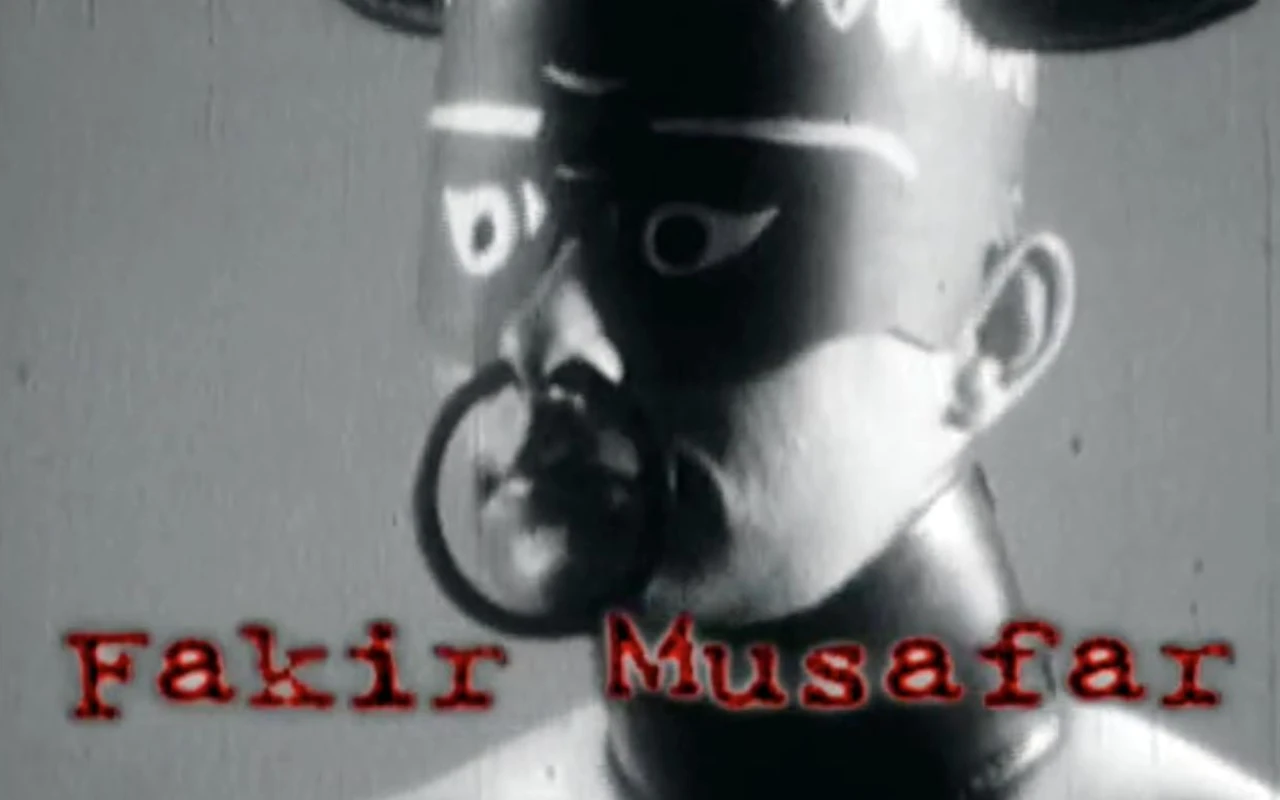
AceShowbiz - Fakir Musafar stands as an extraordinary figure in the realm of queer body performance and photography, though many remain unfamiliar with his pioneering work. From the mid-1940s until his passing in 2018 due to cancer, Musafar, born Roland Loomis, explored the limits of the human body through piercing, tattooing, and other transformative practices. His artistry involved piercing the skin, genitalia, and torso—not only his own but also that of consenting participants—using knives, hooks, and other tools to manipulate flesh and skin in ways that challenged societal norms.
Fakir Musafar was a central figure in the "Modern Primitives" movement, a subculture that embraced extreme body modification as a blend of spirituality, ritual, and countercultural expression. This movement, deeply rooted in queer and sexually transgressive communities, has often been misunderstood or dismissed as self-harm or exploitation. However, filmmaker Angelo Madsen Minax’s documentary A Body to Live In sensitively reframes Musafar’s work, emphasizing the intentionality behind the acts and the deep artistry involved.
A Body to Live In uses a rich array of archival footage and personal testimonials to construct a nuanced portrait of Musafar. The film foregrounds his own voice alongside those of his devotees and loved ones, creating a complex web of influence and impact. Musafar sought to dismantle taboos by openly discussing his work in public forums and television appearances, striving to destigmatize body modification and the communities engaged in these practices.
Central to Musafar’s legacy is his profound commitment to bodily autonomy as an art form. This principle of self-determination over one’s own body continues to resonate powerfully in contemporary conversations about identity, consent, and expression. Angelo Madsen Minax thoughtfully balances celebration with critique, acknowledging that some aspects of Musafar’s work—such as his adoption of Indigenous practices and his chosen name—would today be recognized as cultural appropriation. Indeed, by 1993, leaders from Lakota, Dakota, and Nakota tribes explicitly forbade non-Indigenous people like Musafar from engaging in sacred rituals, concerned about misrepresentation of their traditions.
Despite these controversies, Musafar showed openness to these critiques. His life invites viewers to question initial assumptions about BDSM, body alteration, and queer sexual practices, encouraging a more respectful and dignified understanding. The film asserts that even niche or transgressive communities deserve recognition and respect, especially when their work centers on autonomy and self-expression.
A Body to Live In is a gentle yet compelling viewing experience, remarkable for how it humanizes a figure whose work might otherwise appear shocking or intimidating. The film’s deliberate pacing and focus on personal narrative help unpack the complexity behind Musafar’s extreme practices, revealing a tender portrait of a trailblazer who reshaped how we think about bodies and identity.
The documentary is set to premiere in Los Angeles on February 27, 2026, before embarking on a North American tour. For those interested in exploring the intersections of art, queerness, and bodily sovereignty, A Body to Live In offers an essential and timely perspective.
With a runtime of 98 minutes and directed by Angelo Madsen Minax, the film features appearances by Musafar himself and other influential figures in the body modification community, including Annie Sprinkle. The thoughtful presentation earned it an 8 out of 10 rating, reflecting its success in illuminating a complex subject with care and respect.
Ultimately, Fakir Musafar’s work underscores the importance of reclaiming the body as a site of artistic and personal freedom. In an era where conversations about identity and consent are more vital than ever, A Body to Live In reminds us that bodily autonomy remains a radical and necessary form of self-expression.