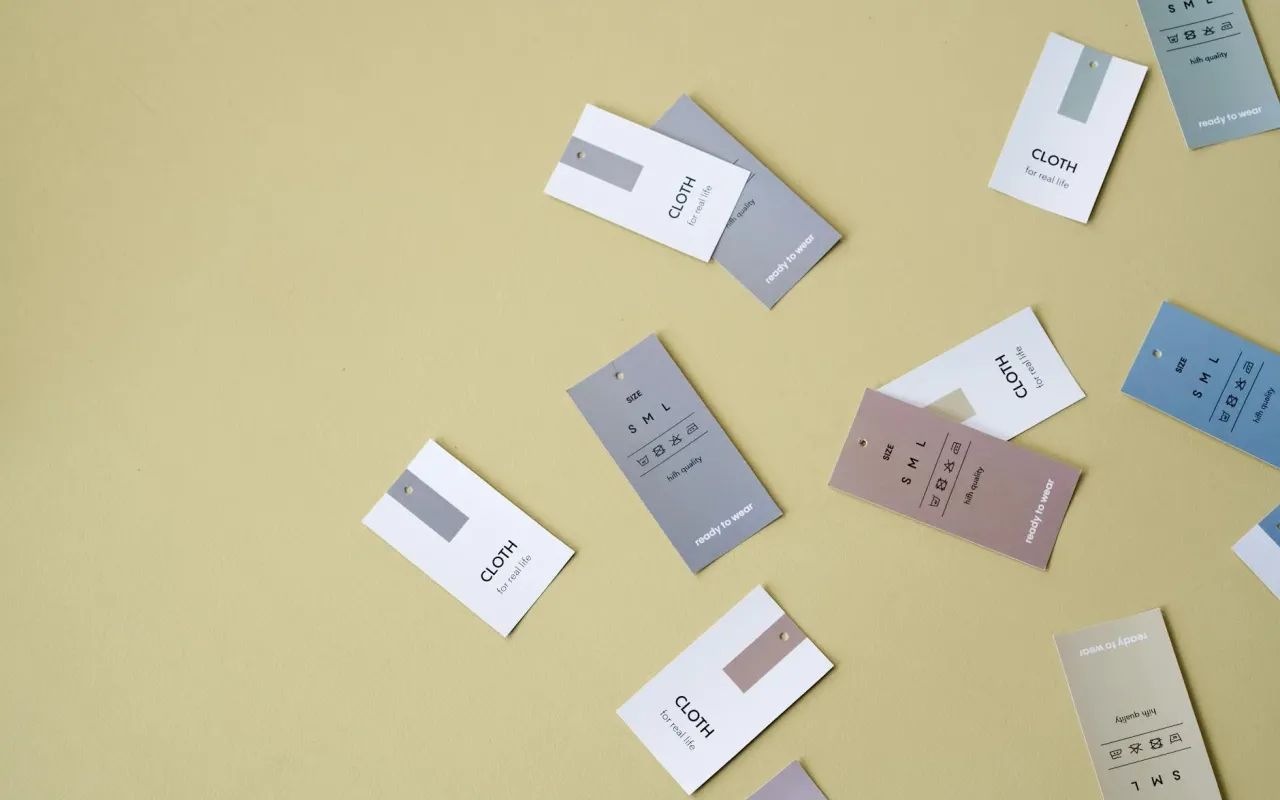
Stop ruining your favorite clothes. Learn how to read laundry symbols and care labels to make your wardrobe last years longer, saving money and the planet.
- April 4, 2026
AceShowbiz - You know that feeling. You pull a beloved sweater from the dryer, only to find it's now a toddler-sized felted version of its former self. Or you watch in horror as a vibrant new top bleeds its color into the wash water, turning your whites a sad shade of pink. We've all been there, and it's almost always because we ignored—or misunderstood—the tiny hieroglyphics on the care label.
But what if those symbols weren't just annoying suggestions? What if they were the secret blueprint to making your clothes last five, even ten years longer? The reality is, they are. The average garment's lifespan is shockingly short, with many fast-fashion items worn less than ten times. A significant part of that premature death is improper care. By learning this visual language, you're not just preventing laundry disasters; you're actively fighting waste, saving money, and building a more sustainable wardrobe one well-cared-for piece at a time.
The Universal Language of Laundry Symbols (And Why It Matters)
Those little icons aren't random. They're part of an internationally standardized system, governed by organizations like the International Organization for Standardization (ISO). This means a symbol on a shirt made in Italy means the same thing on jeans from Japan. Understanding this system is your first line of defense against laundry day regret.
The symbols are organized into five core families: washing, bleaching, drying, ironing, and professional care. Each family has a base shape, and modifiers (like dots or lines) add specific instructions. Think of it like reading a sentence: the main symbol is the verb (e.g., "wash"), and the dots are the adverbs (e.g., "gently in cold water").
So why should you care about this global code? Because it gives you precise control. Washing a delicate silk blouse on a hot, vigorous cycle is like driving a sports car over a rocky dirt road—it's going to break down fast. The label tells you the "road conditions" your garment is built for. Following them reduces friction, fading, and fiber damage, dramatically extending the life of the fabric. Your clothes will look newer, feel better, and stay in your rotation for seasons to come.
Actionable Tip: Don't try to memorize everything at once. Start by focusing on the washing tub symbol and the drying square. These two are responsible for most laundry mishaps. Snap a photo of a symbol guide and keep it in your laundry room for quick reference.
Washing: It's Not Just Hot or Cold
The washing symbol looks like a stylized bucket of water. This is where the most critical instructions live. A single line underneath the tub means a permanent press or synthetic cycle (medium agitation, cool-down rinse to reduce wrinkles). Two lines indicate a gentle or delicate cycle (low agitation, often used for wool, silk, or lace).
The temperature is indicated by dots inside the tub. One dot is cold (30°C/85°F), two dots are warm (40°C/105°F), and three dots are hot (50°C/120°F). Many sustainable fashion advocates swear by washing almost everything in cold water. It saves energy, prevents color transfer, and is gentler on fibers, helping colors stay vibrant. A study by the Cleaning Institute found that switching to cold water washing for a year can save the average household over $60 in energy costs.
Then there's the hand wash symbol—a tub with a hand. This isn't a gentle suggestion; it's a requirement for garments that will be destroyed by machine agitation. Think beaded items, fine knits, or structured pieces with delicate internal construction. And the ultimate warning? The "Do Not Wash" symbol—a crossed-out tub. This garment is for professional cleaning only, often due to complex linings, leather, or suede details.
Actionable Tip: Make cold water your default. Reserve warm water for heavily soiled whites or bedding. For hand-wash items, use a clean sink or basin with a dedicated gentle detergent. Gently swish the garment, never wring it, and press water out by rolling it in a clean towel.
Decoding the Bleach Triangle
The bleach symbol is a triangle, and it's more nuanced than just "yes" or "no." An empty triangle means any bleach (chlorine or non-chlorine) is safe to use when needed. A triangle with two diagonal lines means only oxygen-based, non-chlorine bleach is safe. This is common for colored fabrics where you might want to brighten without stripping dye.
The crossed-out triangle is a hard stop: no bleach of any kind. Ignoring this can cause yellowing, weakening of fibers, and catastrophic color loss. This symbol is frequently found on dark denim, vibrant prints, silk, wool, and items with spandex, which bleach can degrade.
The Make-or-Break Stage: Drying Correctly
Heat and agitation in the dryer are one of the biggest contributors to wear and tear. The square is your drying guide. A circle inside the square is for tumble drying. Dots inside the circle indicate heat: one for low, two for medium, three for high. A crossed-out circle means no tumble drying—air dry only.
Look for lines inside the square, too. A single horizontal line means dry flat. This is crucial for heavy knits, sweaters, and anything with stretch to prevent misshaping. A vertical line with three small lines (like a square with a droopy clothesline) means drip dry. Two diagonal lines in the corner? That's dry in the shade, a vital instruction for items prone to sun fading.
Why is this so important? High heat can literally melt synthetic fibers like polyester and elastane, causing them to become brittle and break. It also sets stains and can cause severe shrinkage in natural fibers like cotton and wool. Air drying is the single most gentle thing you can do for your clothes. It uses zero energy, reduces wrinkles, and preserves elasticity and shape.
Actionable Tip: Treat your dryer as a finishing tool, not a default. Air dry whenever possible. For items that can be tumble dried, use the lowest heat setting and remove them while slightly damp to minimize wrinkles and reduce time under heat.
Ironing and Professional Care: The Finishing Touches
The iron symbol looks like an old-fashioned steam iron. Dots indicate the maximum safe temperature: one dot (low, ~110°C/230°F) for synthetics like acrylic and polyester; two dots (medium, ~150°C/300°F) for wool and silk; three dots (high, ~200°C/390°F) for cotton and linen. Lines coming from the bottom indicate if steam is allowed (steam lines) or prohibited (crossed-out steam lines).
Using too high a heat on a delicate synthetic can scorch or melt the fabric instantly. For wool and silk, a medium heat with no steam (or a pressing cloth) is often best to avoid shine marks. The professional care symbols are your admission ticket. A circle means dry cleaning, and letters inside tell the cleaner what solvents to use. "A" means any solvent, "P" means petroleum-based only, and "F" means petroleum or hydrocarbon only. A crossed-out circle means do not dry clean.
Respecting these instructions matters because professional cleaning is a chemical process, not just a fancy wash. Certain fabrics, trims, or adhesives require specific solvents. Taking a "dry clean only" item to a professional isn't an indulgence; it's often the only way to clean it without dissolving glues, distorting shape, or damaging special finishes.
Actionable Tip: For many "dry clean only" items like wool blazers or silk dresses, you can often refresh them between wears with a steamer. Steaming kills odors, removes wrinkles, and is far gentler than ironing. Invest in a good garment steamer for maintenance and save professional cleaning for actual stains or heavy soiling.
Building a Sustainable Care Routine
Now that you can decode the labels, it's time to build habits that put that knowledge to work. Sustainability in clothing care isn't just about following symbols; it's about a holistic approach to reducing impact. Start by sorting smarter. Go beyond just colors. Create piles for delicates (hand wash/gentle cycle), permanent press, and sturdy cottons. This prevents your jeans from abrading your fine knits in the wash.
Turn your clothes inside out. This protects the outer surface from friction and fading, especially for printed t-shirts and dark denim. Use a mesh laundry bag for every single delicate item—bras, lingerie, items with hooks, fine knits. This simple $5 tool prevents snagging and stretching in the wash drum. And please, measure your detergent! Overuse doesn't get clothes cleaner; it leaves residue that attracts dirt and breaks down fibers.
Finally, wash less. Not everything needs a wash after one wear. Air out jeans, spot clean small stains, and use fabric freshener sprays. A study from the University of Alberta found that freezing jeans for 24 hours kills odor-causing bacteria, offering a water-free cleaning alternative. Every wash cycle you skip saves water, energy, and reduces microfiber shedding.
Actionable Tip: Implement the "two-wear rule" for non-underwear items. If it's not visibly soiled and doesn't smell, hang it up to air out after wearing. You'll be amazed at how much you can reduce your laundry load, saving your clothes and your utility bill.
When to Break the Rules (And When to Never, Ever Do It)
Is it ever okay to ignore the label? Sometimes, with caution and experience. Many "dry clean only" items, particularly those made of washable silks, linens, or wools, can be carefully hand washed. The label is often there for liability or because of a minor detail like interfacing. However, you must do a spot test first and accept the risk.
You might also choose to wash a "cold water only" item in warm water if it's heavily soiled, understanding it may fade slightly faster. The key is to make an informed deviation, not a blind guess. Conversely, there are rules you should never break. Never ignore a "Do Not Wash" or "Do Not Bleach" symbol. Never put leather, suede, or a garment with a structured shoulder pad in the washing machine. Never use high heat on items with elastane or spandex if you want them to keep their shape.
Your best tool is a relationship with a good tailor or cleaner. They can often advise if a label is overly cautious. When in profound doubt, err on the side of the gentlest possible care. It's easier to wash something again gently than to un-shrink a sweater or restore a bleached-out color.
Actionable Tip: Before you risk washing a "dry clean only" item, check the fabric content. If it's 100% silk, wool, linen, or cotton, it's often hand-washable with care. If it's a blend with acetate, rayon, or has complex construction, take it to the pros.
Those care labels are a conversation between you and the maker of your clothes. They're telling you, "Here's how to keep me at my best." By taking five minutes to truly understand that conversation, you shift from being a passive consumer to an active custodian of your wardrobe. Your clothes will reward you with more wears, better fits, and a story that lasts far beyond a single season. That's the real power of knowing how to care for what you own.